Herbal Drinks Explained: Ingredients, Health Benefits, and Usage Tips
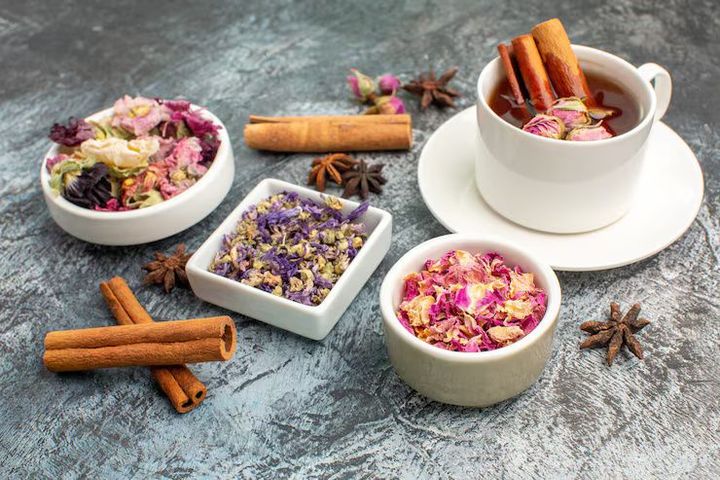
Herbal drinks are beverages prepared using plant-based ingredients such as leaves, roots, flowers, seeds, or bark. Unlike conventional teas made from tea leaves, herbal drinks are typically caffeine-free and draw their characteristics from a wide variety of herbs and botanicals. They exist to provide hydration, flavor, and traditional wellness support rooted in cultural practices across the world.
For centuries, communities have consumed herbal drinks as part of daily routines, seasonal habits, and traditional wellness systems. Today, these drinks are widely discussed in the context of lifestyle balance, dietary diversity, and natural ingredient awareness.
Context
Herbal drinks have origins in traditional food and wellness practices across Asia, Africa, Europe, and the Americas. Long before modern beverages became common, people relied on locally available plants to prepare infusions and decoctions for daily consumption.
Common characteristics of herbal drinks include:
-
Made from one or more plant ingredients
-
Prepared using hot or cold water
-
Naturally aromatic and flavorful
-
Typically free from artificial additives
-
Consumed warm or chilled depending on tradition
Examples of commonly used herbs include ginger, mint, chamomile, tulsi (holy basil), lemongrass, hibiscus, fennel, cinnamon, and turmeric. Each herb contributes its own flavor profile and traditional associations.
Herbal drinks are part of food culture rather than medical treatment, and their role is best understood within the context of balanced diets and lifestyle habits.
Importance
Herbal drinks matter today because people are increasingly interested in understanding what they consume and how it fits into everyday wellness routines.
Why herbal drinks are relevant:
-
Ingredient awareness
Encourage familiarity with plant-based ingredients. -
Dietary variety
Add diversity to daily beverage choices. -
Cultural connection
Preserve traditional food and drink practices. -
Hydration support
Offer flavorful alternatives to plain water. -
Lifestyle balance
Fit into routines focused on moderation and mindfulness.
Who this topic affects:
-
Individuals interested in traditional food knowledge
-
People exploring caffeine-free beverages
-
Nutrition and wellness learners
-
Cultural and culinary researchers
-
Households seeking simple homemade drinks
Problems this knowledge helps solve:
-
Over-reliance on highly processed beverages
-
Lack of understanding of herbal ingredients
-
Confusion between food-based drinks and medical claims
-
Limited beverage options for caffeine-sensitive individuals
Understanding herbal drinks helps people make informed, realistic choices without unrealistic expectations.
Recent Updates and Trends
During 2024–2025, herbal drinks gained renewed attention due to lifestyle and nutrition trends:
-
Increased interest in traditional ingredients
Greater awareness of herbs used in regional cuisines. -
Focus on clean-label foods
Preference for recognizable, plant-based ingredients. -
Caffeine-conscious consumption
More people seeking naturally caffeine-free drinks. -
Cold herbal infusions
Growth in chilled and infused herbal beverages. -
Global culinary exchange
Wider exposure to herbs from different cultures. -
Research-based communication
Stronger emphasis on evidence-backed, non-exaggerated information.
These trends highlight a shift toward mindful consumption rather than quick-fix health narratives.
Common Herbal Drink Ingredients and Their Traditional Roles
Herbal drinks vary widely depending on ingredients and preparation methods.
Ginger
-
Strong, warming flavor
-
Traditionally used in many cuisines
-
Often consumed warm or blended with other herbs
Mint
-
Fresh and cooling taste
-
Common in both hot and cold drinks
-
Widely used for flavor and refreshment
Chamomile
-
Mild, floral aroma
-
Traditionally consumed in the evening
-
Often associated with relaxation rituals
Tulsi (Holy Basil)
-
Aromatic and slightly peppery
-
Used in traditional Indian drinks
-
Valued for its cultural significance
Hibiscus
-
Tart, berry-like flavor
-
Often prepared as a chilled infusion
-
Known for its deep red color
Fennel
-
Light, sweet aroma
-
Common after meals in some cultures
-
Used in warm infusions
Herbal Drink Ingredient Comparison Table
| Herb | Flavor Profile | Common Use | Serving Style |
|---|---|---|---|
| Ginger | Spicy, warm | Daily infusions | Hot |
| Mint | Fresh, cool | Refreshing drinks | Hot or cold |
| Chamomile | Mild, floral | Evening beverage | Hot |
| Tulsi | Herbal, peppery | Traditional routines | Hot |
| Hibiscus | Tart, fruity | Cooling drinks | Cold |
| Fennel | Sweet, light | Post-meal drinks | Hot |
This table helps readers understand how different herbs are typically used in beverages.
Understanding Health Benefits (General and Non-Medical)
Herbal drinks are often associated with general wellness benefits, but it is important to frame these benefits realistically.
Commonly discussed general benefits include:
-
Supporting hydration
-
Providing natural flavors without artificial additives
-
Encouraging mindful drinking habits
-
Contributing plant-based compounds to the diet
It is important to note:
-
Herbal drinks are not medicines
-
Effects vary by individual
-
They should not replace medical advice or treatment
-
Balanced diet and lifestyle matter more than any single drink
Responsible consumption focuses on enjoyment and dietary diversity rather than cure-based expectations.
Usage Tips for Everyday Consumption
Herbal drinks can be included in daily routines with simple considerations.
General usage tips:
-
Use clean, food-grade herbs
-
Avoid excessive quantities of any single ingredient
-
Rotate herbs for variety
-
Pay attention to personal sensitivities
-
Consume as part of a balanced diet
Timing considerations:
-
Light, refreshing herbs suit daytime use
-
Mild, calming herbs are often preferred in the evening
-
Spiced herbs may be enjoyed with meals
Moderation and awareness are key to safe and enjoyable use.
Laws and Policies
Herbal drinks are influenced by food safety and labeling regulations rather than pharmaceutical laws.
Key regulatory aspects include:
-
Food safety standards
Govern hygiene, contamination control, and processing. -
Ingredient labeling rules
Require accurate disclosure of components. -
Health claim regulations
Restrict unverified medical or therapeutic claims. -
Traditional food recognition
Some countries recognize herbal drinks as traditional foods. -
Import and agricultural policies
Affect sourcing and quality of herbs.
These regulations help protect consumers and ensure truthful communication.
Tools and Resources
Several non-commercial resources help people learn more about herbal drinks:
Educational Resources
-
Nutrition and food science websites
-
Traditional food and culinary history references
-
Public health nutrition guides
Ingredient Awareness Tools
-
Herb identification guides
-
Flavor pairing charts
-
Plant origin references
Diet and Lifestyle Tools
-
Daily hydration tracking apps
-
Meal planning templates
-
Food diary tools
Government and Public Health Resources
-
Food safety authority publications
-
Dietary guideline portals
These tools support informed, responsible dietary choices.
FAQs
What are herbal drinks?
They are beverages made by infusing or boiling herbs, flowers, roots, or seeds in water.
Do herbal drinks contain caffeine?
Most herbal drinks are naturally caffeine-free, but ingredients should always be checked.
Are herbal drinks the same as medicine?
No. They are food-based beverages, not medical treatments.
Can herbal drinks be consumed daily?
Many can be enjoyed regularly in moderation as part of a balanced diet.
Are herbal drinks suitable for everyone?
Individual tolerance varies, so it is important to be mindful of allergies or sensitivities.
Practical Suggestions for Informed Consumption
For those exploring herbal drinks:
-
Learn about each ingredient before regular use
-
Avoid mixing too many herbs at once
-
Keep preparation simple
-
Follow food safety practices
-
Be cautious with strong or unfamiliar herbs
These steps help ensure safe and enjoyable experiences.
Conclusion
Herbal drinks represent a long-standing tradition of using plant ingredients to create flavorful, comforting, and culturally meaningful beverages. From ginger and mint to chamomile and hibiscus, these drinks add variety and simplicity to daily hydration routines.
Understanding herbal drinks through context, ingredients, trends, regulations, and responsible usage helps separate cultural food practices from exaggerated health claims. When consumed mindfully and in moderation, herbal drinks can be a pleasant part of a balanced lifestyle that values natural ingredients, tradition, and informed choices.
Disclaimer: The information provided in this article is for informational purposes only. We do not make any claims or guarantees regarding the accuracy, reliability, or completeness of the information presented. The content is not intended as professional advice and should not be relied upon as such. Readers are encouraged to conduct their own research and consult with appropriate professionals before making any decisions based on the information provided in this article.