Gemstone Basics: Learn the Facts, Details, and Identification Tips
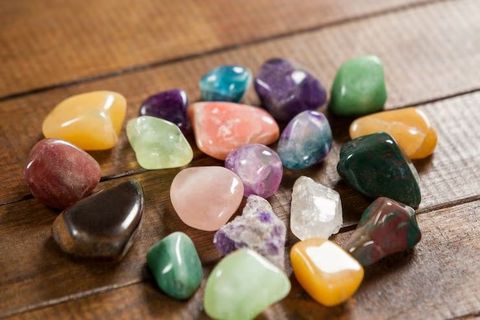
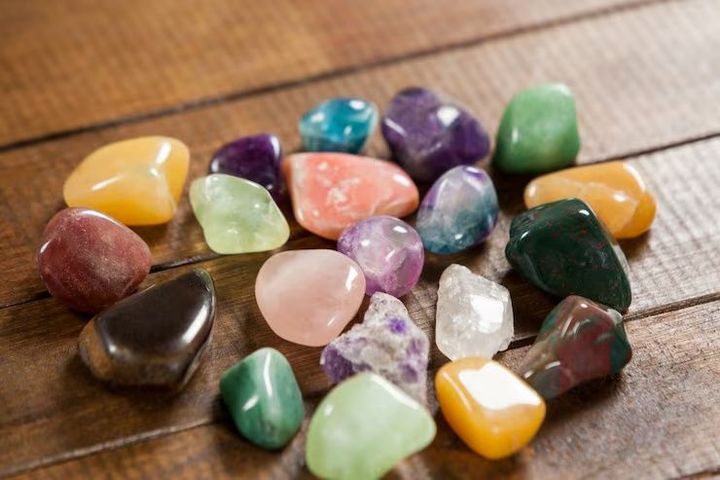
Gemstones are naturally occurring minerals, rocks, or organic materials that are cut and polished for use in jewelry and ornamentation. They have fascinated humanity for thousands of years due to their beauty, rarity, and symbolic meanings. Gemstones such as diamonds, rubies, sapphires, emeralds, and amethysts are well-known, but there are hundreds of lesser-known stones valued for their unique colors and properties.
These stones form under specific geological conditions over millions of years. Some, like diamonds, crystallize deep within the Earth’s mantle, while others, such as opals and turquoise, develop closer to the surface. Organic gemstones like amber and pearl originate from biological sources, making them distinct from mineral-based stones.
Gemology—the scientific study of gemstones—exists to understand their composition, origin, and quality. This field helps identify authentic gems, detect treatments, and maintain standards in global trade.
Importance – Why Gemstones Matter Today
Gemstones hold importance across various aspects of human life: cultural, economic, and technological.
-
Cultural and Symbolic Value: Throughout history, gemstones have symbolized wealth, power, and spirituality. In modern times, they are commonly used in engagement rings, religious artifacts, and healing practices.
-
Economic Role: The gemstone industry supports millions of workers worldwide—from miners to jewelers—and represents a multi-billion-dollar global market.
-
Technological Use: Beyond aesthetics, certain gemstones such as quartz and sapphire have industrial uses in electronics, watches, and optical equipment due to their durability and conductivity.
For consumers, understanding gemstone basics helps prevent fraud and promotes ethical sourcing. Awareness also supports sustainable mining and fair trade practices.
Recent Updates – Trends and Developments in 2024–2025
The gemstone industry has evolved significantly in recent years, shaped by technology and sustainability goals.
| Trend | Description | Year/Impact |
|---|---|---|
| Lab-Grown Gemstones | Synthetic gems, especially diamonds, have grown in popularity due to affordability and eco-friendliness. | Rising demand since 2023 |
| Blockchain in Gem Trade | Blockchain-based traceability ensures transparency in gemstone sourcing and authenticity verification. | 2024 expansion across global markets |
| AI-Based Gem Identification | Artificial intelligence tools are now used in gem laboratories to identify natural vs. treated stones with precision. | Gained momentum in 2025 |
| Sustainability and Fair Mining | Governments and organizations have increased focus on ethical mining, labor conditions, and environmental protection. | Ongoing global initiative |
| Consumer Education | Online gemstone courses and virtual identification tools are becoming widely accessible. | Major growth in 2024–2025 |
These updates highlight the transition from traditional gem trade practices to technology-driven and ethically conscious systems.
Laws or Policies – Regulations Affecting the Gemstone Sector
Gemstone production and trade are regulated to ensure authenticity, fair labor practices, and environmental protection.
-
International Frameworks: The Kimberley Process Certification Scheme (KPCS) was established to prevent the trade of conflict diamonds. Similar frameworks now guide the ethical sourcing of colored gemstones.
-
India’s Gem and Jewellery Export Promotion Council (GJEPC): In India, one of the largest gemstone markets, GJEPC monitors exports, certifications, and quality control.
-
U.S. Federal Trade Commission (FTC): Regulates labeling and advertising of gemstones to prevent misleading claims, ensuring transparency for consumers.
-
European Union (EU) Regulations: Enforce strict import and export standards related to environmental sustainability and conflict-free origins.
-
Local Mining Laws: Countries like Sri Lanka, Tanzania, and Myanmar have policies limiting the export of rough stones to encourage domestic cutting and value addition.
These rules promote fairness in trade, protect workers, and help consumers make informed, ethical purchases.
Tools and Resources – Helpful Guides for Gem Enthusiasts and Professionals
Whether for education, trade, or personal interest, many tools can assist in understanding gemstones.
Online Resources and Databases:
-
Gemological Institute of America (GIA): Offers gemstone identification tools and research updates.
-
International Gem Society (IGS): Provides gem profiles, testing methods, and tutorials.
-
Mindat.org: A mineral database with detailed gemstone information and locality data.
Gem Identification Tools:
-
Refractometer: Measures refractive index, crucial for distinguishing similar-looking stones.
-
Polariscope and Dichroscope: Used to test optical properties and crystal structures.
-
Spectroscope: Helps identify absorption lines to determine chemical composition.
Digital Apps and Learning Platforms:
| Tool/App | Function | Use Case |
|---|---|---|
| Gemstone ID Pro | Mobile-based gem analysis app using photo recognition | For hobbyists and traders |
| GIA Gemology Tools | Official GIA digital toolkit and e-learning platform | For professionals |
| Rock Identifier App | Uses AI for mineral and gem classification | For beginners and collectors |
These resources make gem identification more accessible, allowing even beginners to distinguish between natural, treated, and synthetic gemstones.
FAQs – Common Questions About Gemstones
1. How can you tell if a gemstone is real or fake?
Authentic gemstones usually have natural inclusions and specific optical properties. Laboratory testing using tools like a refractometer or microscope provides the most accurate results.
2. What are the main types of gemstones?
Gemstones are generally classified as precious (diamond, ruby, sapphire, emerald) or semi-precious (amethyst, topaz, turquoise, garnet, etc.).
3. Are lab-grown gemstones real?
Yes. Lab-grown gems have the same chemical and physical properties as natural ones; they are simply created in controlled environments rather than in nature.
4. What factors determine a gemstone’s value?
Value is based on the Four Cs: color, clarity, cut, and carat weight, along with origin, rarity, and market demand.
5. How does gemstone certification work?
Certified gems come with a report from an accredited laboratory (like GIA or IGI) confirming their identity, authenticity, and quality grading.
Example Table: Gemstone Classification Overview
| Category | Examples | Hardness (Mohs Scale) | Origin Type |
|---|---|---|---|
| Precious | Diamond, Ruby, Sapphire, Emerald | 7.5–10 | Natural |
| Semi-Precious | Amethyst, Topaz, Garnet, Citrine | 5–8 | Natural |
| Organic | Amber, Pearl, Coral | 2–4 | Biological |
| Synthetic | Lab-Grown Diamond, Moissanite | 8–10 | Artificial |
This table shows how gemstones vary in hardness, composition, and origin, helping enthusiasts understand their durability and usage.
Conclusion
Gemstones combine the beauty of nature with scientific fascination. Understanding their properties, origins, and ethical considerations allows individuals and industries to appreciate them beyond aesthetics. As technology advances, the gemstone sector is becoming more transparent, traceable, and sustainable—ensuring that the timeless allure of these natural wonders continues responsibly into the future.