Guide to CNC Laser Safety and Compliance Standards for Safer Workplaces
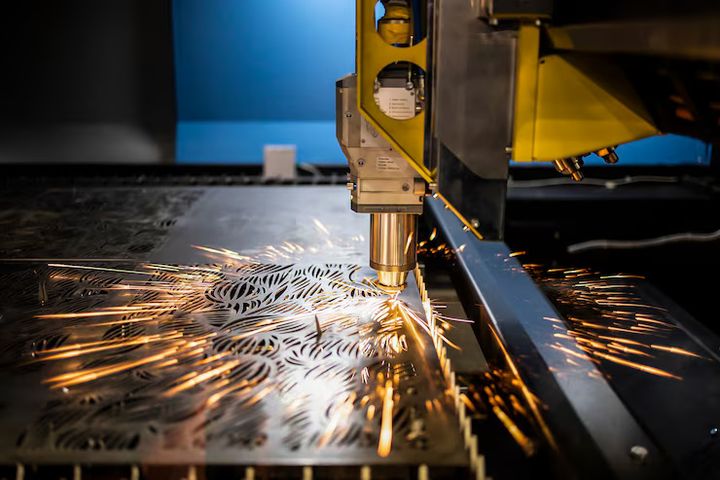
CNC laser machines are widely used in industries for cutting, engraving, and shaping materials with high precision. While they increase efficiency, these systems also present risks such as eye damage, burns, respiratory hazards, and fire accidents if safety measures are ignored. This is why laser safety and compliance standards exist—to create safer workplaces, minimize risks, and ensure both workers and industries follow structured protection guidelines.
Importance
Laser safety is critical in industrial manufacturing because it protects employees from hazardous exposure and ensures that production facilities comply with legal requirements. Without proper safety measures, companies face risks of accidents, machine downtime, and legal penalties.
Key reasons why CNC laser safety is important include:
-
Protecting workers from harmful laser radiation and heat exposure
-
Preventing workplace fires caused by reflective materials
-
Ensuring machines run within safe operational limits
-
Avoiding fines or shutdowns due to non-compliance with regulations
By following standards, industries not only safeguard workers but also build trust and reliability in their manufacturing processes.
Recent Updates
In the past few years, several updates in CNC laser safety and compliance have emerged:
-
2023: The International Electrotechnical Commission (IEC) revised its guidelines on laser classification and labeling.
-
2024: More factories introduced automated laser enclosures and interlock systems to reduce direct human exposure.
-
2025: AI-powered monitoring tools became available to track machine operations and predict safety risks before accidents occur.
These updates reflect the growing global emphasis on workplace safety and integration of technology into compliance.
Laws or Policies
Different regions have specific regulations governing CNC laser safety:
-
OSHA (Occupational Safety and Health Administration – USA): Requires training, protective eyewear, and proper ventilation for laser operations.
-
ANSI Z136 Standards (USA): Provide a detailed framework for laser safety in research and industrial use.
-
European Union Machinery Directive: Mandates compliance for manufacturers selling laser machines within Europe.
-
IEC 60825 Standards (Global): Define laser safety classifications and user responsibilities.
-
India’s Factories Act & Safety Guidelines (2024 update): Encourage industries to adopt automation and safety protocols under the “Safe Workplace Initiative.”
These policies ensure that companies prioritize safety while maintaining productivity.
Tools and Resources
Industries can use several tools and resources to strengthen CNC laser safety:
-
Laser Safety Goggles – Designed to block harmful laser wavelengths
-
Interlock Systems – Stop laser operation when doors or covers are opened
-
Exhaust and Filtration Units – Reduce smoke, fumes, and toxic particles
-
Laser Safety Training Platforms – Online courses for operators and safety officers
-
Monitoring Sensors – Detect overheating, improper alignment, or gas leaks
-
Compliance Checklists – Ensure workplaces meet OSHA, ANSI, or IEC requirements
FAQs
Why are compliance standards important for CNC laser safety?
They protect workers, prevent accidents, and help organizations avoid legal and financial penalties.
What are the main hazards of CNC laser machines?
Hazards include eye damage, burns, respiratory risks, and workplace fires from misused equipment.
Do workers need special training to operate CNC lasers?
Yes, safety training is mandatory under most international standards, ensuring operators know how to use protective gear and handle emergencies.
Which global standards apply to CNC laser safety?
ANSI Z136, IEC 60825, and OSHA guidelines are the most recognized standards for laser safety worldwide.
Can automation improve CNC laser safety?
Yes, automated enclosures, AI-based monitoring, and predictive maintenance reduce human exposure and improve workplace safety.
Conclusion
CNC laser safety and compliance standards are vital in modern manufacturing, balancing efficiency with workplace protection. With advancements in AI, automation, and global regulations, industries are better equipped to prevent accidents and safeguard workers. By adhering to OSHA, ANSI, IEC, and national policies, manufacturers can maintain compliance while ensuring safe, productive environments. The future of CNC laser safety lies in combining technology with strong regulatory frameworks to protect both people and workplaces.