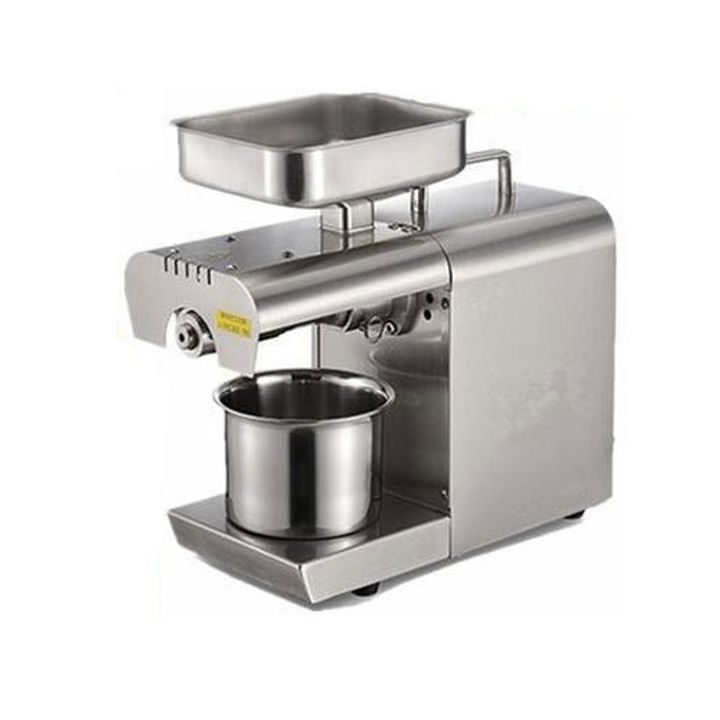
Guide to Oil Extraction Machines: Types, Working, and Industrial Applications
Oil extraction is a vital industrial process that supports food production, cosmetics, pharmaceuticals, and biofuel industries. From small-scale cold press machines to large industrial oil extraction plants, the choice of technology depends on the type of seeds, nuts, or raw material, and the scale of production. With advancements in edible oil machinery, businesses today can adopt more energy-efficient, automated, and sustainable solutions.
This guide explores the types of oil extraction machines, their working principles, key industrial applications, and factors to consider when selecting the right equipment.
Types of Oil Extraction Machines
Cold Press Oil Machine
-
Uses mechanical pressure at low temperatures.
-
Preserves natural flavor, aroma, and nutrients.
-
Ideal for seeds like sesame, sunflower, and groundnut.
Hot Press Oil Machine
-
Involves heating before pressing.
-
Increases yield but may reduce nutritional value.
-
Commonly used for large-scale edible oil production.
Solvent Extraction Machine
-
Uses chemical solvents (like hexane) to extract maximum oil.
-
High efficiency, suitable for soybean, rice bran, and cottonseed.
-
Requires refining before consumption.
Screw Press Oil Machine
-
Continuous operation with a rotating screw shaft.
-
Widely used in small to medium enterprises.
-
Simple design, easy to maintain.
Hydraulic Press Machine
-
Uses hydraulic pressure for extraction.
-
Often applied in premium oil production (olive oil, avocado oil).
-
Provides high-quality oil with minimal oxidation.
Working Principles of Oil Extraction Machines
- Mechanical Pressing – Seeds are crushed under high pressure, separating oil from cake.
-
Heating & Conditioning – Increases efficiency by softening raw materials.
-
Solvent Extraction – Oils dissolve in solvents and are separated by distillation.
-
Filtration & Refining – Removes impurities, odor, and unwanted compounds for edible use.
Industrial Applications
- Food Industry – Production of edible oils like sunflower, soybean, groundnut, and palm oil.
-
Cosmetics – Extraction of essential oils for skincare, aromatherapy, and personal care products.
-
Pharmaceuticals – Use of medicinal oils in supplements, capsules, and ointments.
-
Biofuel – Vegetable oils processed for biodiesel production.
-
Agriculture – Processing of oil cakes as livestock feed or fertilizer.
Factors to Consider When Choosing an Oil Extraction Machine
- Raw Material Type – Different seeds require specific machines.
-
Production Capacity – From small cold press units to industrial plants.
-
Energy Efficiency – Machines with lower power consumption reduce costs.
-
Automation – Modern systems integrate PLC controls and monitoring.
-
Maintenance & Durability – Easy-to-clean and long-lasting equipment saves time and costs.
-
Compliance Standards – Food-grade and safety certifications are essential.
Future Innovations in Oil Extraction
- Automation & Smart Controls – IoT-enabled monitoring of temperature, pressure, and yield.
-
Energy-Efficient Systems – Lower operational costs and reduced environmental impact.
-
Sustainable Practices – Machines designed to minimize waste and enhance eco-friendly processing.
-
Cold Extraction for Premium Oils – Growing demand for organic and nutrient-rich oils.
Checklist: Selecting the Right Oil Extraction Machine
- Identify the raw materials you will process
-
Define required production capacity
-
Compare cold press vs hot press vs solvent extraction
-
Check energy efficiency ratings
-
Ensure compliance with food safety standards
-
Evaluate after-sales service and spare parts availability
Conclusion
Oil extraction machines play a crucial role in industries ranging from food to biofuels. With advancements in cold press oil machines, industrial oil extraction systems, and edible oil machinery, businesses can optimize efficiency, reduce costs, and meet sustainability goals. Choosing the right equipment requires balancing production needs, energy use, and quality requirements.