Quenching Manufacturing Guide: Explanation, Advantages, Safety Information, and Resources
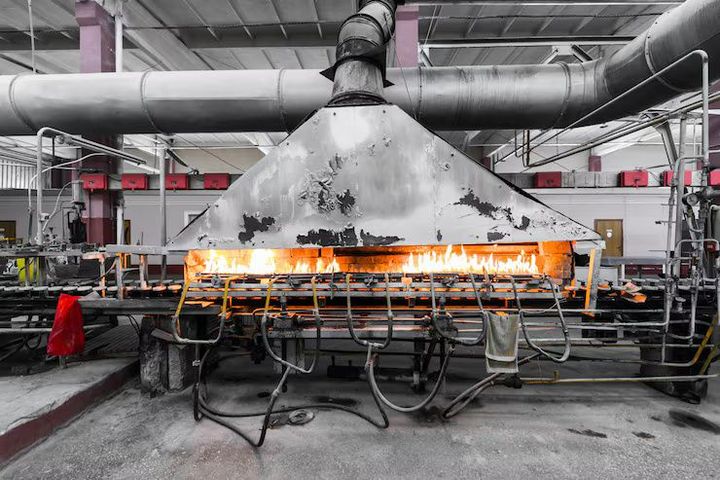
Quenching manufacturing is a controlled industrial process used mainly in metalworking and materials engineering. It involves rapidly cooling a heated material, most often metal, by immersing it in a liquid or exposing it to a controlled cooling medium. The most common quenching media include water, oil, polymer solutions, air, and gas mixtures.
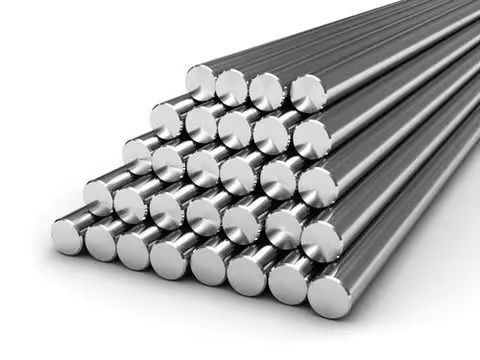
The process exists to modify the physical and mechanical properties of materials. When metals are heated to high temperatures, their internal structure changes. Rapid cooling “locks in” a specific microstructure, allowing manufacturers to achieve desired characteristics such as increased hardness, improved strength, or specific wear resistance.
Historically, quenching has been used for centuries in blacksmithing, weapon making, and tool production. As industrial manufacturing advanced, quenching evolved into a precise and standardized process used in automotive, construction, machinery, energy, and aerospace sectors. Today, quenching manufacturing is an essential part of heat treatment operations that support modern infrastructure and industrial production.
Why Quenching Manufacturing Matters Today
Quenching manufacturing plays a critical role in modern production because it directly affects material performance and reliability. Many components used in daily life and industrial systems depend on properly quenched materials to function safely and efficiently.
This topic matters to:
-
Manufacturing engineers and production planners
-
Industrial maintenance teams
-
Infrastructure and construction sectors
-
Automotive and machinery industries
-
Energy and heavy equipment manufacturers
Without effective quenching, metals may remain too soft, deform easily, or fail under stress. Quenching helps solve problems such as premature wear, insufficient load-bearing capacity, and reduced service life.
| Industrial Challenge | Role of Quenching |
|---|---|
| Weak structural components | Improves hardness and strength |
| High wear and friction | Enhances surface durability |
| Inconsistent material quality | Ensures repeatable properties |
| Safety-critical applications | Increases reliability |
As industries demand lighter, stronger, and more durable materials, quenching manufacturing continues to be highly relevant.
Basic Working Principles of Quenching
The quenching process follows a simple principle but requires precise control. A material is first heated to a specific temperature where its internal structure becomes uniform. It is then rapidly cooled to achieve the desired transformation.
Common stages include:
-
Heating the material to the required temperature
-
Holding it at that temperature for uniformity
-
Rapid cooling using a selected quenching medium
-
Controlled post-quench handling or tempering
Different quenching media influence cooling speed and final material properties.
| Quenching Medium | Cooling Speed | Typical Use |
|---|---|---|
| Water | Very fast | Simple carbon steels |
| Oil | Moderate | Alloy steels |
| Polymer solutions | Adjustable | Controlled hardening |
| Air or gas | Slow | Specialized applications |
The choice of medium depends on material type, part geometry, and required performance.
Advantages of Quenching Manufacturing
Quenching offers several technical and operational advantages that make it indispensable in industrial manufacturing.
Key advantages include:
-
Increased material hardness
-
Improved tensile and yield strength
-
Enhanced wear and abrasion resistance
-
Better fatigue performance
-
Extended component lifespan
These benefits allow manufacturers to produce parts that withstand heavy loads, high temperatures, and repeated stress.
|| Property Improved | Practical Impact |
|---|---|
| Hardness | Resistance to deformation |
| Strength | Higher load capacity |
| Wear resistance | Longer service life |
| Structural stability | Reduced failure risk |
Quenching also enables consistency across large production volumes, supporting quality assurance and standardization.
Safety Considerations in Quenching Manufacturing
Safety is a crucial aspect of quenching manufacturing due to the high temperatures and rapid cooling involved. Improper handling can result in thermal shock, material cracking, or workplace hazards.
Important safety considerations include:
-
Proper control of quenching temperatures
-
Safe handling of hot materials
-
Management of flammable quenching oils
-
Adequate ventilation for fumes and vapors
-
Use of protective equipment
Rapid cooling can create internal stresses in materials. If not managed correctly, this may lead to distortion or cracking. Controlled quenching parameters and post-quench treatments help reduce these risks.
| Safety Risk | Preventive Measure |
|---|---|
| Oil ignition | Temperature monitoring |
| Thermal shock | Controlled immersion |
| Worker exposure | Protective clothing |
| Equipment damage | Regular inspections |
Following established safety practices protects both workers and production quality.
Recent Updates and Industry Trends in 2024–2025
Over the past year, quenching manufacturing has seen several notable developments driven by efficiency, sustainability, and digital monitoring.
-
Early 2024: Increased adoption of polymer-based quenchants for better control
-
Mid 2024: Wider use of automated quenching systems
-
Late 2024: Focus on reducing energy consumption in heat treatment lines
-
Early 2025: Integration of sensors and data tracking for process optimization
| Year | Trend | Industry Impact |
|---|---|---|
| 2024 | Polymer quenching | Improved consistency |
| 2024 | Automation | Reduced human error |
| 2024 | Energy efficiency | Lower emissions |
| 2025 | Digital monitoring | Predictable outcomes |
These updates reflect a shift toward safer, cleaner, and more precise quenching manufacturing practices.
Laws, Regulations, and Policy Influence
Quenching manufacturing is influenced by workplace safety laws, environmental regulations, and industrial standards. These frameworks aim to protect workers, ensure product quality, and reduce environmental impact.
Key regulatory areas include:
-
Occupational health and safety standards
-
Fire and hazardous material handling rules
-
Waste management and disposal guidelines
-
Energy efficiency and emission controls
Many countries also support industrial modernization programs that encourage safer and more sustainable heat treatment technologies. Compliance with these regulations ensures long-term operational stability and public safety.
Tools and Resources Related to Quenching Manufacturing
Several tools and resources support understanding, planning, and managing quenching processes.
Useful resources include:
-
Heat treatment process charts and diagrams
-
Material transformation reference tables
-
Temperature monitoring and logging tools
-
Industrial safety guidelines
-
Training manuals and technical handbooks
| Resource Type | Purpose |
|---|---|
| Process charts | Temperature control |
| Material tables | Property prediction |
| Monitoring tools | Quality assurance |
| Safety manuals | Risk reduction |
These resources help ensure accurate process control and consistent results.
Frequently Asked Questions
What is the main purpose of quenching manufacturing?
The main purpose is to improve material properties such as hardness and strength through rapid cooling.
Is quenching used only for steel?
While steel is most common, some other metals and alloys also use quenching techniques.
Why are different quenching media used?
Different media control cooling speed, which affects final material properties.
Does quenching always make materials stronger?
Quenching increases hardness but often requires tempering to balance toughness.
Is quenching environmentally regulated?
Yes, especially when oils or chemical solutions are involved.
Conclusion
Quenching manufacturing is a foundational process in modern industry, enabling the production of strong, durable, and reliable metal components. By controlling how materials cool after heating, manufacturers can achieve precise mechanical properties suited to demanding applications.
With recent advances in automation, digital monitoring, and environmentally conscious practices, quenching continues to evolve. Supported by clear safety standards, regulations, and technical resources, quenching manufacturing remains essential for industries that depend on high-performance materials and long-term reliability.