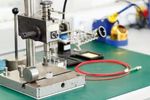
How Cable Manufacturing Machines Shape the Industry: A Full Overview Context
Cable manufacturing machines play a crucial role in producing the wires and cables that power today’s connected world. From electrical wiring in homes to data cables in communication networks, these machines form the backbone of global infrastructure.
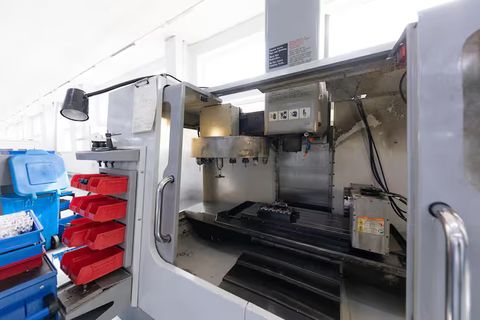
A cable manufacturing machine typically performs several processes — such as drawing, stranding, insulating, sheathing, and armoring — that convert raw materials like copper, aluminum, and fiber optics into high-performance cables.
The origins of cable manufacturing date back to the early 20th century, but the industry has evolved significantly with the advent of automation and smart manufacturing. Modern cable production lines use precision engineering, computer control systems, and environmental management to ensure consistent quality and compliance with global standards.
This transformation has made the industry more efficient, environmentally responsible, and capable of meeting the growing demands for high-speed data, renewable energy, and electric mobility.
Importance
Cables are the invisible infrastructure that keeps industries, cities, and societies functioning. The quality and reliability of cables depend heavily on the efficiency of the machines used in their production.
Why Cable Manufacturing Machines Matter
-
Power Distribution: These machines enable the production of cables used in power grids, renewable energy installations, and residential systems.
-
Telecommunications: High-precision machines create fiber optic and data cables essential for internet connectivity and 5G networks.
-
Transportation: Automotive, aerospace, and rail sectors rely on specialized cables produced with advanced machinery for safety and performance.
-
Construction and Infrastructure: Cables for lighting, HVAC systems, and security are all manufactured using automated cable systems.
-
Sustainability: Modern machines are designed to minimize material waste and energy consumption, supporting eco-friendly production goals.
Problems They Solve
| Industry Challenge | How Cable Manufacturing Machines Solve It |
|---|---|
| Inconsistent cable quality | Automated monitoring ensures uniform thickness and conductivity |
| High production costs | Energy-efficient motors and recycling of scrap materials reduce waste |
| Labor-intensive manufacturing | Robotics and digital control reduce manual intervention |
| Rising global demand | High-speed production lines meet large-scale needs |
| Environmental impact | Advanced filtration and closed-loop systems reduce emissions |
By addressing these challenges, cable manufacturing machines help maintain a reliable supply of high-quality cables across global industries.
Recent Updates
The cable manufacturing sector has seen rapid innovation driven by automation, digitalization, and sustainable production practices.
Emerging Trends (2024–2025)
-
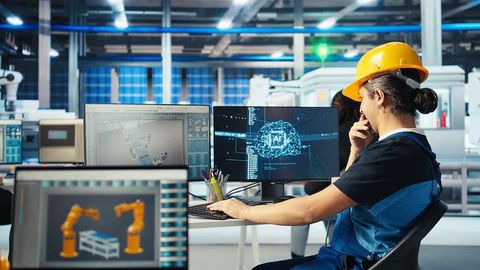
Automation and Industry 4.0 (2024): Many factories now integrate smart sensors, real-time monitoring, and AI-driven maintenance systems that detect faults before downtime occurs.
-
Shift to Green Manufacturing (2025): Environmental concerns have led to new energy-efficient extrusion lines and the use of recycled plastic insulation materials.
-
High-Voltage and Fiber Optic Expansion (2024–2025): The rise in renewable energy projects and 5G infrastructure has increased demand for precision machinery capable of producing high-voltage and fiber optic cables.
-
Digital Twin Technology (2024): Manufacturers use digital twins — virtual replicas of machines — to simulate production, predict failures, and optimize performance.
-
Regional Growth: Asia-Pacific remains the fastest-growing market, led by India and China, where local manufacturers are investing in smart cable-making lines.
Market Insights
According to the International Cable Manufacturers Association (ICMA, 2024), the global market for cable production machinery grew by 6.8% last year, driven by renewable energy and telecommunications projects.
Laws or Policies
Cable manufacturing is subject to strict quality, safety, and environmental regulations that vary across countries but share common goals: protecting consumers, ensuring electrical safety, and promoting sustainability.
Key Regulations
-
Electrical Standards:
-
IEC (International Electrotechnical Commission): Sets international standards for electrical cable quality and safety.
-
ISO 9001: Ensures quality management in production lines.
-
-
Environmental Compliance:
-
RoHS (Restriction of Hazardous Substances): Restricts the use of toxic materials such as lead, cadmium, and mercury in cables.
-
REACH (EU Regulation): Controls chemical use and ensures worker and environmental safety.
-
-
Fire and Safety Codes:
-
Cables must pass flame retardancy and smoke emission tests under UL 1685 and IEC 60332.
-
-
Energy Efficiency Policies:
-
Some countries, including India and members of the EU, offer tax incentives for manufacturers adopting energy-efficient machinery or low-carbon technologies.
-
-
Waste Management Programs:
-
Recycling and reusing plastic and copper waste are encouraged under government initiatives such as the EU Circular Economy Action Plan (2024) and India’s Extended Producer Responsibility (EPR) framework.
-
Example of Compliance Table
| Regulation | Focus Area | Region | Purpose |
|---|---|---|---|
| RoHS | Chemical Safety | EU | Limits hazardous substances in cable materials |
| ISO 9001 | Quality Control | Global | Ensures consistent manufacturing practices |
| EPR | Waste Reduction | India | Encourages recycling of industrial waste |
| UL 1685 | Fire Testing | US | Defines flame resistance standards |
| IEC 60332 | Electrical Safety | Global | Regulates fire performance of cables |
Compliance ensures product safety, enhances brand credibility, and supports sustainable development goals (SDGs).
Tools and Resources
Several digital tools, industrial platforms, and online resources help manufacturers improve efficiency, quality, and compliance in cable production.
Useful Tools and Platforms
| Category | Tool/Platform | Function |
|---|---|---|
| Design and Simulation | AutoCAD Electrical, EPLAN | Design cable layouts and production systems |
| Quality Testing | Fluke CableAnalyzer™, Megger Tester | Measure conductivity, insulation resistance, and signal loss |
| Production Management | Siemens TIA Portal, Rockwell Automation | Automate and control manufacturing processes |
| Data Monitoring | SCADA Systems | Monitor real-time production data and detect faults |
| Industry Resources | Wire & Cable News, IEEE Xplore | Provide research, standards, and industry updates |
Maintenance Tips for Cable Manufacturing Machines
-
Regularly calibrate drawing and extrusion units to ensure precision.
-
Use automated lubrication systems to extend machine life.
-
Train operators on safety and data monitoring tools.
-
Schedule predictive maintenance using IoT-based systems to avoid downtime.
-
Track energy usage to identify opportunities for sustainability improvement.
These resources not only enhance productivity but also support compliance with international manufacturing standards.
FAQs
1. What is a cable manufacturing machine?
A cable manufacturing machine is industrial equipment that processes raw materials like copper or fiber optics into finished cables through steps such as drawing, stranding, insulation, and sheathing.
2. Which industries use cable manufacturing machines?
They are used in power generation, telecommunications, automotive, construction, and renewable energy sectors where reliable cabling is essential.
3. What are the main types of cable manufacturing machines?
Common types include wire drawing machines, stranding machines, extrusion lines, coiling machines, and armoring machines. Each performs a specific stage of cable production.
4. How do modern technologies improve cable production?
Automation, robotics, and digital monitoring systems increase accuracy, reduce waste, and improve product consistency. Smart factories also enable real-time fault detection.
5. Are there environmental concerns in cable manufacturing?
Yes, but modern systems use recyclable materials, energy-efficient motors, and closed-loop cooling systems to reduce carbon footprints. Compliance with RoHS and REACH regulations ensures safer production.
Conclusion
Cable manufacturing machines are at the heart of global connectivity and industrial growth. They make possible the reliable power, data, and communication systems that modern society depends on.
The integration of automation, sustainability practices, and regulatory compliance is reshaping the industry into a more efficient and environmentally responsible one. As technologies like smart monitoring and AI-driven maintenance continue to develop, cable production will become faster, safer, and more sustainable.
For businesses, engineers, and policymakers alike, understanding these machines is essential for advancing innovation, ensuring safety, and supporting the world’s growing energy and data infrastructure needs.