Guide To Smart Supply Chain Systems for Manufacturing
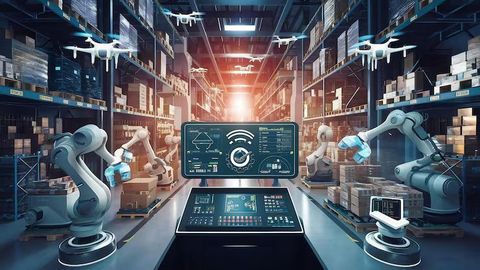
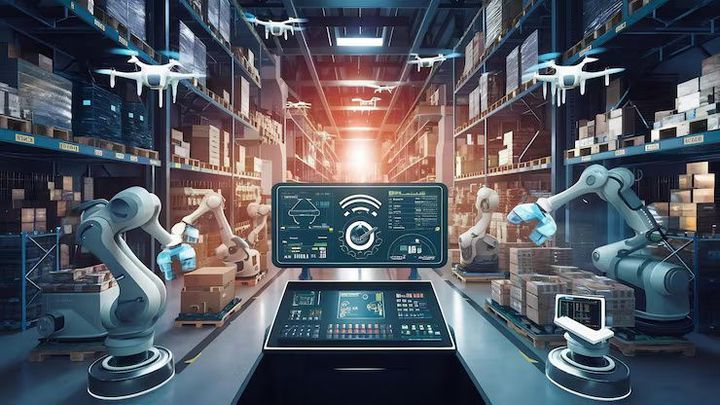
Smart supply chain systems refer to digitally connected networks that help manufacturing companies monitor, coordinate, and manage the flow of materials, information, and production activities. Traditional supply chains often relied on manual processes, delayed reporting, and disconnected data sources. Smart supply chain systems emerged as manufacturers began integrating advanced technologies such as artificial intelligence, industrial internet of things (IIoT), cloud computing, and predictive analytics into supply chain operations.
These systems aim to improve visibility across manufacturing processes, from raw material sourcing to final product distribution. By collecting real-time data from machines, warehouses, and transportation networks, manufacturers can monitor operations continuously and respond more quickly to changes in demand or supply disruptions.
The concept evolved alongside the broader transformation toward digital manufacturing and smart factories, where machines, software platforms, and logistics systems communicate automatically. The result is a more responsive and data-driven supply chain environment that supports efficiency and operational resilience.
In manufacturing environments where thousands of components may move between suppliers, factories, and distribution centers, smart supply chain systems help organize complex workflows. This is particularly relevant in sectors such as automotive manufacturing, electronics production, aerospace engineering, and industrial equipment manufacturing.
Why Smart Supply Chain Systems Matter in Modern Manufacturing
Manufacturing supply chains have become increasingly complex due to globalization, rapid product innovation cycles, and rising customer expectations. Smart supply chain systems address these challenges by providing real-time insights and data-driven decision support.
Several key factors explain why these systems have become important in modern industrial operations.
Global supply networks require better coordination
Manufacturers frequently rely on suppliers located across multiple countries. Smart systems allow organizations to monitor supplier performance, shipment tracking, and production timelines using centralized digital platforms.
Data-driven planning improves forecasting accuracy
Advanced analytics tools process historical production data, market signals, and logistics information to generate predictive demand forecasts. This helps manufacturers align inventory levels with actual market demand.
Operational disruptions require rapid response
Events such as transportation delays, material shortages, or equipment failures can disrupt production. Smart supply chain platforms detect anomalies quickly and help teams respond using predictive alerts and automated workflows.
Automation supports industrial efficiency
Automation technologies can coordinate production scheduling, warehouse operations, and material replenishment. When integrated with enterprise systems, these technologies help streamline manufacturing logistics.
Sustainability reporting and traceability
Manufacturers increasingly track environmental impact, product origin, and resource consumption. Digital supply chain platforms provide traceability data that supports sustainability reporting and compliance documentation.
The benefits extend to multiple stakeholders within the manufacturing ecosystem:
-
Factory managersgain operational visibility across production lines
-
Logistics teamsmonitor shipments and warehouse performance
-
Procurement departmentstrack supplier reliability and inventory flows
-
Executives and analystsevaluate performance metrics through supply chain analytics dashboards
These capabilities make smart supply chain systems an important component of modern manufacturing technology infrastructure.
Recent Developments and Trends in Smart Manufacturing Supply Chains
Over the past year, several developments have shaped how manufacturers design and implement smart supply chain systems.
Expansion of AI-powered forecasting platforms (2024–2025)
Artificial intelligence tools capable of analyzing large data sets have become more common in manufacturing supply chain analytics. Many companies now use machine learning models to forecast demand patterns, detect anomalies, and optimize production schedules.
Growth of Industrial IoT monitoring networks (2024)
Industrial IoT sensors installed in factories and warehouses generate continuous operational data. These devices track machine utilization, product movement, and environmental conditions. Manufacturers use this data to improve supply chain visibility.
Cloud-based supply chain platforms adoption (2025)
Cloud computing technologies enable manufacturers to store supply chain data in centralized digital platforms accessible across multiple facilities. This allows teams in different locations to coordinate production planning and logistics operations.
Digital twin technology for supply chain simulation (2025)
Some manufacturers have begun using digital twin models to simulate supply chain scenarios. These virtual environments allow analysts to test how production or transportation changes might affect overall supply chain performance.
Resilience planning following global disruptions (2024–2025)
After several years of supply chain instability across global industries, organizations increasingly focus on supply chain resilience strategies. This includes supplier diversification, predictive risk monitoring, and inventory analytics.
Sustainability monitoring in manufacturing logistics (2025)
Environmental reporting requirements and corporate sustainability goals have increased the demand for supply chain transparency. Smart systems can track emissions, energy consumption, and resource use across manufacturing operations.
These developments reflect the ongoing shift toward data-driven manufacturing ecosystems, where supply chain decisions rely on advanced analytics and automated monitoring.
Regulations, Policies, and Compliance Considerations
Manufacturing supply chains operate within regulatory frameworks that vary by country and industry sector. These regulations often affect product traceability, environmental reporting, and digital data management.
Some policies influencing smart supply chain systems include the following.
Product traceability regulations
Many industries require detailed records documenting where materials originate and how products move through manufacturing processes. Digital supply chain platforms help maintain traceability records that support regulatory compliance.
Environmental and sustainability policies
Governments in several regions have introduced sustainability reporting requirements related to manufacturing emissions and resource consumption. Smart supply chain analytics systems assist companies in tracking environmental metrics throughout production and logistics activities.
Data protection and cybersecurity rules
Because smart supply chain platforms rely heavily on digital infrastructure and cloud computing, organizations must comply with data protection regulations governing how operational data is stored and shared.
Industrial safety and quality standards
Manufacturing sectors such as pharmaceuticals, aerospace, and automotive operate under strict quality standards that require documented production and supply chain procedures.
The following table summarizes examples of policy areas affecting smart supply chains.
| Policy Area | Purpose | Impact on Manufacturing Supply Chains |
|---|---|---|
| Product Traceability | Track origin and movement of materials | Requires detailed digital recordkeeping |
| Environmental Reporting | Monitor emissions and resource use | Encourages sustainability data tracking |
| Data Security Regulations | Protect operational and industrial data | Requires secure supply chain platforms |
| Quality Standards | Ensure product reliability and safety | Supports digital process documentation |
Manufacturers often integrate compliance monitoring tools into supply chain management platforms to maintain consistent regulatory documentation.
Digital Tools and Resources Supporting Smart Supply Chains
Several categories of digital tools support the implementation and management of smart supply chain systems in manufacturing environments. These technologies help organizations collect data, analyze performance metrics, and coordinate operational processes.
Enterprise resource planning platforms
ERP systems integrate procurement, production planning, inventory tracking, and financial data into centralized platforms.
Supply chain analytics software
Analytics platforms process operational data and generate insights related to forecasting, logistics efficiency, and supplier performance.
Industrial IoT monitoring systems
Connected sensors track equipment performance, environmental conditions, and product movement across factories and warehouses.
Warehouse management systems
These systems coordinate inventory placement, order fulfillment, and warehouse logistics operations.
Transportation management platforms
Transportation tools monitor shipment routes, logistics scheduling, and carrier performance across distribution networks.
The following table outlines common technology categories used in smart manufacturing supply chains.
| Technology Category | Function in Supply Chain Operations |
|---|---|
| Industrial IoT Sensors | Collect operational data from machines and storage facilities |
| Supply Chain Analytics Platforms | Analyze performance metrics and forecast demand |
| Cloud Computing Infrastructure | Centralize data storage and system integration |
| Warehouse Management Systems | Coordinate storage and inventory movement |
| Transportation Management Systems | Monitor logistics and delivery networks |
Together, these technologies form a digital infrastructure that enables manufacturers to coordinate complex supply chain operations more efficiently.
Common Questions About Smart Supply Chain Systems
What is a smart supply chain system in manufacturing?
A smart supply chain system is a digitally connected network that uses technologies such as analytics, IoT sensors, and cloud platforms to monitor and coordinate manufacturing logistics, materials, and production workflows.
How does artificial intelligence support supply chain planning?
AI models analyze historical data, market signals, and operational metrics to generate predictive demand forecasts and identify potential disruptions in supply networks.
What industries commonly use smart supply chain technologies?
Industries such as automotive manufacturing, electronics production, aerospace engineering, pharmaceuticals, and industrial machinery frequently use these systems to manage complex production networks.
What role does industrial IoT play in supply chain monitoring?
Industrial IoT devices collect real-time data from machines, warehouses, and transportation systems. This data helps organizations track inventory movement, monitor equipment performance, and identify operational inefficiencies.
How do smart supply chain systems improve transparency?
Digital platforms maintain detailed records of material sourcing, production processes, and product distribution. This information helps organizations maintain traceability and regulatory compliance.
Conclusion
Smart supply chain systems represent an important development in the evolution of modern manufacturing. By integrating technologies such as industrial IoT networks, predictive analytics, cloud computing platforms, and digital monitoring tools, manufacturers can gain improved visibility into complex production and logistics processes.
As global manufacturing networks continue to expand, the need for coordinated and data-driven supply chain management becomes increasingly significant. Smart systems help organizations monitor operations in real time, analyze performance trends, and respond to disruptions more effectively.
Recent technological developments in artificial intelligence, digital twins, and cloud-based analytics platforms indicate that manufacturing supply chains are becoming more digitally connected. At the same time, regulatory frameworks related to sustainability, product traceability, and data protection encourage companies to maintain transparent and well-documented supply chain operations.