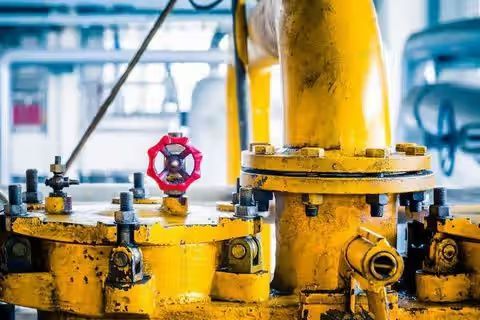
A Complete Guide to Gas Industry Equipment and Services: Compression, Turbines, and Leak Detection
The gas industry plays a crucial role in global energy production, supplying natural gas for electricity generation, industrial operations, and domestic use. At the center of this system are highly specialized machines and technologies that ensure gas extraction, processing, and transportation are safe, efficient, and sustainable.
Gas industry equipment includes a wide range of machinery, such as gas compressors, turbines, and leak detection systems, which together maintain pressure levels, generate power, and detect any leakage risks. These technologies are essential to ensure consistent energy flow from extraction fields to end users.
The rapid expansion of the global energy sector, along with the shift toward cleaner fuels, has made natural gas an essential part of the energy transition. As industries move to reduce emissions and improve safety, the demand for advanced gas equipment and monitoring systems continues to grow.
Importance
Gas compression, turbine operations, and leak detection technologies are the backbone of modern energy infrastructure. They ensure that natural gas is efficiently transported, stored, and converted into usable energy.
Why It Matters Today
-
Energy Security: Reliable compression and turbine systems ensure uninterrupted gas supply to industries and power plants.
-
Environmental Safety: Leak detection and monitoring systems prevent methane and other greenhouse gases from escaping into the atmosphere.
-
Efficiency Improvement: Modern equipment enhances gas pressure control, improving energy conversion efficiency and reducing losses.
-
Industrial Dependence: Sectors like petrochemicals, fertilizers, and transport rely heavily on stable gas compression and turbine systems for continuous operations.
-
Transition to Cleaner Energy: As the world shifts from coal to gas, efficient equipment plays a key role in achieving emission reduction targets.
Challenges Solved by Modern Gas Equipment
| Industry Challenge | How Technology Helps |
|---|---|
| Pressure fluctuations | Advanced compressors maintain steady gas flow |
| Energy inefficiency | Turbines convert energy with higher thermal efficiency |
| Environmental concerns | Leak detection reduces methane emissions |
| Aging infrastructure | Automation improves reliability and monitoring |
| Safety risks | Real-time sensors detect anomalies before failure |
These systems not only improve operational efficiency but also contribute to achieving environmental sustainability and energy resilience.
Recent Updates
The global gas equipment industry has undergone major technological transformation in the past year. From automation to digital monitoring, the focus is on reducing emissions, improving efficiency, and complying with stricter international safety standards.
Notable Developments (2024–2025)
-
Integration of AI in Leak Detection (2024): Artificial intelligence and infrared imaging are increasingly used to monitor methane leaks in real time. This innovation helps reduce response time and improve environmental compliance.
-
Advanced Gas Compression Systems (2025): Modern compressors now feature variable-speed drives and predictive maintenance algorithms to enhance operational performance and minimize energy consumption.
-
Hydrogen Compatibility (2024–2025): Manufacturers are redesigning turbines and compressors to handle hydrogen blends, supporting the shift toward low-carbon energy.
-
Digital Twin Technology (2024): Gas facilities are adopting digital twins—virtual replicas of equipment—to simulate performance, detect inefficiencies, and predict maintenance needs.
-
Regenerative Turbine Advancements (2025): New turbine designs recover waste heat to increase energy conversion efficiency and lower carbon footprints.
Market Overview
According to the International Energy Agency (IEA, 2024), global investments in gas processing and transportation equipment increased by 9% due to infrastructure modernization projects and rising demand for liquefied natural gas (LNG). Asia-Pacific remains the largest growth region, driven by expanding energy consumption in India, China, and Southeast Asia.
Laws or Policies
Government regulations and international standards strongly influence how gas industry equipment is designed, operated, and maintained. These frameworks aim to ensure worker safety, environmental protection, and reliable energy delivery.
Key Global Regulations
-
Environmental Standards:
-
EPA Clean Air Act (USA): Regulates emissions from gas compressors and turbines to reduce air pollutants.
-
EU Methane Strategy (2024): Mandates monitoring and reporting of methane emissions across gas supply chains.
-
-
Safety Regulations:
-
OSHA Process Safety Management (USA): Requires hazard analysis and preventive measures for gas processing plants.
-
ATEX Directive (EU): Ensures all electrical and mechanical equipment in gas facilities meet explosion safety standards.
-
-
Energy Efficiency Programs:
-
ISO 50001: Encourages energy management systems to improve efficiency across industrial gas operations.
-
India’s Petroleum and Natural Gas Rules (2024 update): Emphasize pipeline safety, compression unit inspections, and environmental monitoring.
-
-
Emission Monitoring Policies:
-
Global Methane Pledge (2024): Countries committed to cutting methane emissions by 30% before 2030 through advanced detection and control systems.
-
Compliance Snapshot
| Regulation | Focus Area | Region | Implementation Year |
|---|---|---|---|
| EPA Clean Air Act | Emission Control | USA | 2024 |
| EU Methane Strategy | Leak Monitoring | Europe | 2024 |
| ISO 50001 | Energy Efficiency | Global | Ongoing |
| ATEX Directive | Explosion Safety | EU | 2024 |
| Methane Pledge | Climate Reduction | Global | 2030 Target |
These policies encourage industries to adopt safer, cleaner, and more energy-efficient technologies across the gas value chain.
Tools and Resources
Professionals in the gas industry rely on advanced tools and software to monitor system performance, calculate efficiency, and ensure compliance with environmental standards.
Key Tools and Platforms
| Category | Tool/Platform | Function |
|---|---|---|
| Monitoring Systems | Honeywell Gas Detection, ABB Ability | Track pressure, flow rate, and emissions in real time |
| Simulation Software | Aspen HYSYS, AVEVA Process Simulation | Model gas compression and turbine performance |
| Leak Detection Tools | FLIR Optical Gas Imaging, Picarro Analyzer | Identify methane and hydrocarbon leaks |
| Energy Management Systems | Siemens Energy Manager, Emerson Ovation | Optimize compressor and turbine efficiency |
| Data Analytics Platforms | IBM Maximo, GE Predix | Predict maintenance needs using sensor data |
Industry Resources and Learning Platforms
-
International Gas Union (IGU): Publishes reports and best practices on gas operations.
-
American Petroleum Institute (API): Provides technical standards for turbines, compressors, and pipelines.
-
Energy Institute (UK): Offers safety and compliance guidelines for industrial gas systems.
-
Global Methane Initiative: A collaborative effort to share leak detection technologies and emission reduction methods.
These tools and organizations help energy professionals stay informed, compliant, and efficient in an evolving technological landscape.
FAQs
1. What is the role of compressors in the gas industry?
Compressors are used to pressurize gas for transportation and storage. They maintain consistent flow through pipelines and enhance extraction efficiency at well sites.
2. How do gas turbines work in power generation?
Gas turbines convert the energy of high-pressure gas into mechanical energy, which then drives electrical generators. They are widely used in combined-cycle power plants for efficient energy production.
3. Why is leak detection important in gas operations?
Leak detection helps prevent safety hazards, environmental damage, and economic losses. Advanced infrared and acoustic systems detect even minor leaks quickly to ensure operational safety.
4. What are the main environmental concerns in gas equipment operations?
Methane emissions, noise pollution, and high energy use are key issues. However, technological upgrades and stricter policies have significantly reduced these risks.
5. How is digital technology changing the gas industry?
Automation, AI, and digital twins are enhancing real-time monitoring, predictive maintenance, and overall efficiency in gas processing and transportation systems.
Conclusion
The gas industry is undergoing a technological transformation, driven by innovation, environmental responsibility, and global energy demand. Equipment such as compressors, turbines, and leak detection systems form the foundation of this evolution, ensuring that energy delivery remains efficient, safe, and sustainable.
As countries adopt stricter emission policies and companies invest in automation, the integration of smart monitoring, digital simulation, and renewable-compatible systems is reshaping how the gas sector operates.
Understanding these advancements helps industry professionals and policymakers build a cleaner, more efficient, and secure energy future — one powered by intelligent equipment and responsible innovation.