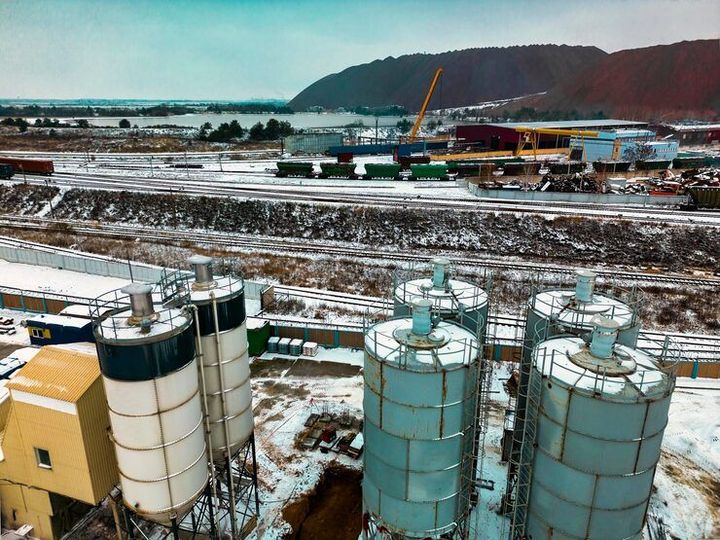
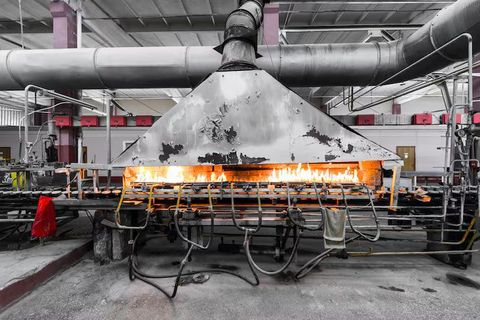
The demand for lithium has increased significantly due to the rapid expansion of the energy storage industry. Lithium-ion batteries power electric vehicles, renewable energy storage systems, smartphones, and laptops. As global electrification accelerates, lithium extraction systems play a central role in supporting the lithium battery supply chain.
These systems combine mining, chemical processing, separation technologies, and purification methods to produce battery-grade lithium compounds. The efficiency and environmental impact of lithium production processes are important considerations in modern resource development.
Basics of Lithium Sources and Extraction Methods
Lithium occurs naturally in several forms. The two most common commercial sources are brine deposits and hard rock ores.
Lithium brine processing involves extracting lithium-rich brine from underground reservoirs. The brine is pumped to the surface and placed in evaporation ponds, where water gradually evaporates, leaving concentrated lithium salts.
Hard rock lithium mining typically targets spodumene ore. The ore is mined, crushed, and processed to separate lithium-bearing minerals before undergoing chemical conversion into lithium carbonate or lithium hydroxide.
A newer approach, direct lithium extraction technology, uses advanced filtration, adsorption, or ion-exchange systems to extract lithium from brine without relying solely on evaporation ponds.
Below is a simplified overview of extraction types:
| Extraction Method | Source | Key Feature |
|---|
| Brine Processing | Salt lakes | Solar evaporation |
| Hard Rock Mining | Spodumene ore | Mechanical crushing |
| Direct Extraction | Brine reservoirs | Chemical adsorption |
| Clay Processing | Lithium-rich clay | Acid leaching |
Each method has unique advantages and environmental considerations.
Technologies Used in Lithium Extraction Systems
Modern lithium extraction systems rely on multiple integrated technologies.
Key technologies include:
-
Crushing and grinding equipment
-
Flotation systems for mineral separation
-
Chemical leaching reactors
-
Ion-exchange columns
-
Membrane filtration units
-
Evaporation ponds
-
Precipitation and crystallization systems
Direct lithium extraction technology is gaining attention for its potential to reduce water consumption and accelerate processing times.
Battery-grade lithium compounds require high purity levels. Therefore, purification stages involve chemical precipitation and filtration to remove impurities such as magnesium and calcium.
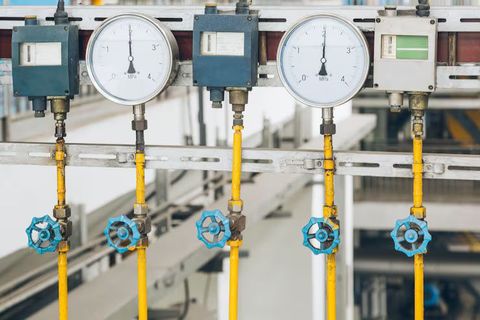
Automation systems monitor temperature, pressure, and chemical concentration during processing. Advanced critical minerals processing plants often use digital sensors and process control software to optimize efficiency.
Why Lithium Extraction Systems Matter Today
Lithium extraction systems are essential to the global transition toward renewable energy and electric mobility.
They matter because:
-
Lithium-ion batteries power electric vehicles
-
Energy storage systems support solar and wind integration
-
Portable electronics depend on rechargeable battery technology
-
Grid-scale storage enhances energy stability
The lithium battery supply chain directly influences:
-
Automotive manufacturers
-
Renewable energy developers
-
Consumer electronics producers
-
National energy strategies
Electric vehicle battery materials require consistent and reliable lithium supply. As governments set decarbonization targets, demand for lithium continues increasing.
Efficient lithium production processes also affect sustainability goals. Reducing water use and minimizing land impact are key priorities in sustainable mining technology development.
Recent Updates and Trends in 2025
In 2025, lithium extraction systems continue evolving due to technological innovation and policy shifts.
In January 2025, industry reports highlighted expansion of direct lithium extraction technology projects in South America and North America. These projects aim to shorten production cycles compared to traditional evaporation methods.
In March 2025, research institutions reported improvements in membrane filtration systems for lithium brine processing. These enhancements increase recovery rates while reducing chemical waste.
Several countries announced investments in domestic critical minerals processing facilities in early 2025. The goal is to strengthen local lithium battery supply chain resilience.
Sustainability remains a central theme. Mining companies are exploring renewable-powered extraction facilities to reduce carbon emissions.
Battery recycling technologies are also gaining attention in 2025, as recovering lithium from used batteries supports circular economy principles.
These developments reflect growing awareness of energy security and environmental responsibility.
Laws and Government Policies
Lithium extraction systems operate under national mining regulations and environmental protection laws.
In the United States, lithium projects are subject to federal and state-level environmental impact assessments. Agencies oversee water usage, land restoration, and air quality standards.
In the European Union, critical raw materials policies support local sourcing of lithium to reduce supply chain dependency.
In India, mining operations must comply with the Mines and Minerals (Development and Regulation) Act and environmental clearance requirements.
Countries with major brine reserves, such as those in South America, regulate lithium production through national resource management frameworks.
Environmental regulations often require:
Energy transition programs in multiple regions provide incentives for domestic production of electric vehicle battery materials.
Understanding these policy frameworks is essential for responsible development of lithium extraction systems.
Tools and Resources for Learning
Professionals and researchers in the energy storage industry use various tools and resources to understand lithium production processes.
Technical tools include:
-
Geological survey databases
-
Mineral processing simulation software
-
Process control monitoring systems
-
Environmental impact assessment templates
-
Water usage modeling tools
Educational resources include:
-
Mining engineering textbooks
-
Energy policy research publications
-
Battery chemistry academic journals
-
Government mineral resource reports
-
Online courses in sustainable mining technology
Industry associations provide data on lithium market trends and production statistics.
Digital dashboards track global lithium supply and demand patterns within the lithium battery supply chain.
These resources help stakeholders make informed decisions.
Frequently Asked Questions
What is lithium extraction?
Lithium extraction is the process of obtaining lithium from natural resources such as brine deposits or hard rock ores for use in battery production.
What is direct lithium extraction technology?
It is a method that uses chemical or membrane-based systems to separate lithium from brine more efficiently than traditional evaporation ponds.
Why is lithium important for electric vehicles?
Lithium-ion batteries are widely used in electric vehicles because they provide high energy density and rechargeable capability.
Are lithium extraction systems environmentally regulated?
Yes. Mining and processing activities are subject to environmental protection laws and impact assessment requirements.
Can lithium be recycled?
Yes. Lithium can be recovered from used batteries through recycling processes, supporting resource efficiency.
Conclusion
Lithium extraction systems are fundamental to the global energy storage industry. Through lithium brine processing, hard rock lithium mining, and direct lithium extraction technology, producers generate essential materials for electric vehicle battery materials and renewable energy storage systems.
In 2025, advancements in membrane filtration, sustainability initiatives, and policy-driven investments continue shaping critical minerals processing strategies. Environmental regulations and resource management frameworks guide responsible development.
Understanding extraction basics, technological innovations, regulatory considerations, and practical tools provides insight into the evolving lithium battery supply chain. As demand for clean energy solutions increases, lithium extraction systems remain central to the transition toward electrified transportation and renewable energy integration.