Guide to PCB Manufacturing: Process, Innovation, and Industry Knowledge
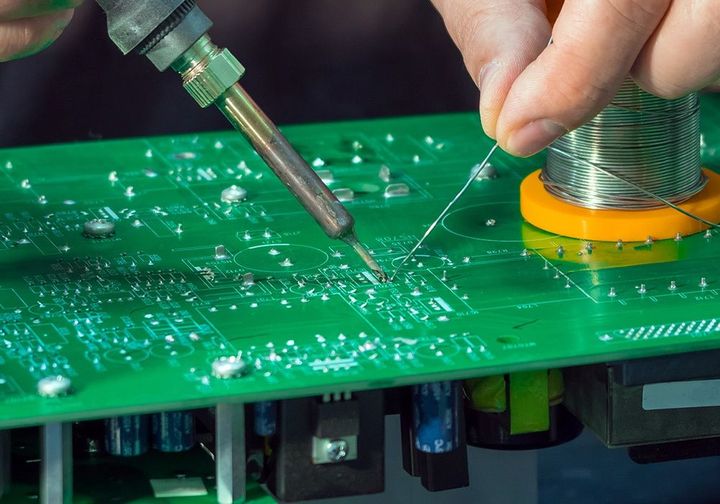
Printed Circuit Boards (PCBs) are the core of modern electronics, connecting components that power everything from mobile phones and computers to medical devices and automobiles. PCB manufacturing involves creating precise electrical pathways on a substrate so that signals can flow smoothly between integrated components. It is a highly technical process that combines engineering precision, chemical processing and advanced automation.
As technology advances, PCB manufacturing has become more sophisticated, faster and eco-friendly. Today’s factories use computer-aided design tools, robotic assembly lines and AI-driven inspection systems to produce complex multilayer boards for industries such as telecommunications, aerospace and renewable energy.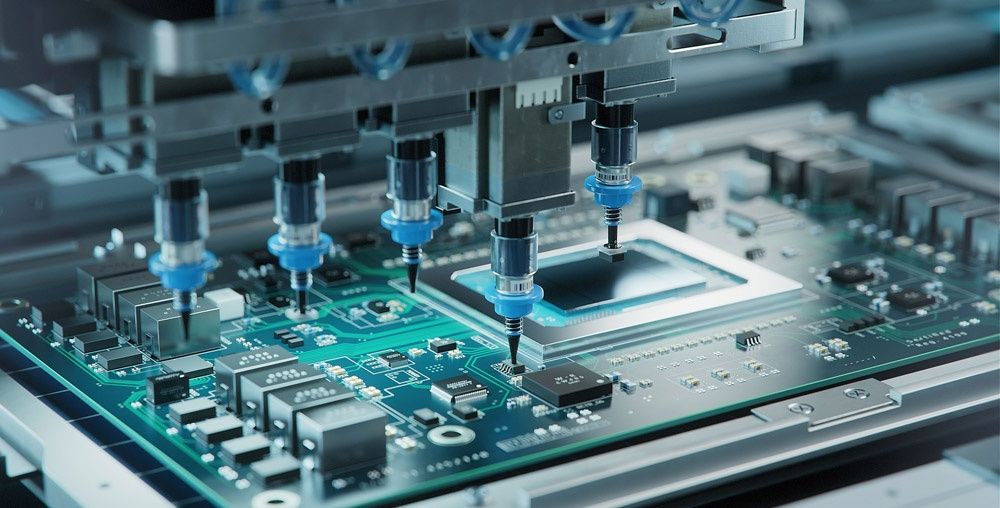
Importance
PCBs are indispensable to electronic functionality and device reliability. A well-manufactured PCB ensures consistent signal transmission, long product life and reduced electrical interference. High-quality manufacturing reduces defects and production costs for businesses in consumer electronics and industrial automation.
For manufacturers, the importance lies in accuracy and standardization. Even minor errors in layout or etching can lead to short circuits or device failure. Understanding the process helps businesses choose the right partners and ensure their products meet international quality and safety standards.
Recent Updates
The PCB industry in 2025 is seeing rapid innovation:
-
AI Design Assistance: AI and machine learning optimize layouts for thermal balance and signal integrity.
-
Miniaturization: Demand for smaller gadgets drives micro-via and high-density interconnect (HDI) boards.
-
Sustainability Shift: Eco-friendly laminates and lead-free soldering processes reduce environmental impact.
-
Flexible and Rigid-Flex Boards: Growing use in wearable and automotive electronics.
-
Global Growth: The market is projected to exceed $110 billion by 2027 with increased IoT and EV demand.
Laws and Compliance
PCB manufacturing is governed by strict international regulations to ensure safety and environmental responsibility:
-
RoHS (Restriction of Hazardous Substances): Eliminates toxic materials like lead and mercury.
-
REACH (EU Chemical Safety Law): Monitors chemical usage in production.
-
IPC Standards: Defines global quality guidelines for PCB fabrication and assembly.
-
ISO 9001 & ISO 14001: Ensure quality control and environmental management.
Compliance builds trust and makes boards eligible for international markets.
Tools and Resources
| Tool / Technology | Purpose |
|---|---|
| CAD Software (Altium, KiCad, Eagle) | PCB layout and schematic design |
| CAM Validation Systems | Design error checking before fabrication |
| Pick-and-Place Machines | Automated component placement |
| Reflow Ovens | Component soldering under controlled temperature |
| Automated Optical Inspection (AOI) | Detects solder and alignment defects |
| Testing Fixtures | Functional testing before final assembly |
| PCB Milling and Prototyping Tools | Rapid prototype creation and small-batch runs |
These tools allow manufacturers to achieve precision at scale while maintaining cost-efficiency.
FAQs
1. What is a PCB made of?
Most PCBs use fiberglass (FR-4), copper foil, solder mask and silkscreen layers. Flexible boards use polyimide materials.
2. How many layers can a PCB have?
From single-layer to over 20 layers in complex industrial and communication applications.
3. What determines PCB quality?
Material purity, etching accuracy, soldering methods and testing standards.
4. How long does it take to produce a PCB?
Depending on complexity and volume, it ranges from 3 to 10 business days.
5. Are eco-friendly PCBs available?
Yes, lead-free and biodegradable options are gaining traction worldwide.
Conclusion
PCB manufacturing is an essential pillar of the electronics industry, enabling innovation in everything from consumer devices to space technology. With automation, AI integration and green materials on the rise, the future of PCB production is both efficient and sustainable. Understanding its processes and regulations helps businesses design better products and maintain competitive advantage in a rapidly evolving market.