Discover RDF Processing Lines: Practical Knowledge, Design Insights, and Helpful Resources
RDF processing lines are integrated industrial systems designed to convert municipal solid waste into refuse derived fuel (RDF). RDF is a processed fuel created from non-recyclable waste materials such as plastics, paper, textiles, and certain organic residues. It is commonly used as an alternative fuel in cement kilns, power plants, and industrial boilers.
The concept of RDF processing developed as part of broader solid waste management plant strategies. As urban populations increased, landfills began reaching capacity, and waste disposal challenges intensified. Waste to energy systems, including RDF processing lines, emerged as a method to reduce landfill volume while recovering energy from waste streams.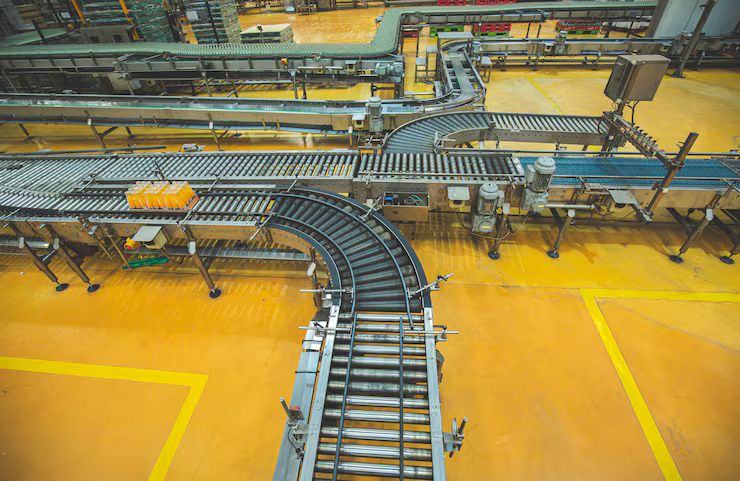
An RDF processing line typically integrates waste sorting technology, shredding, drying, and fuel preparation systems. These facilities play a key role in alternative fuel production and municipal solid waste treatment frameworks.
How RDF Processing Lines Work
An RDF processing line transforms mixed waste into a uniform, combustible fuel through several stages.
The general workflow includes:
-
Receiving and unloading municipal waste
-
Pre-sorting to remove recyclable materials
-
Mechanical separation of metals and inert materials
-
Shredding to reduce particle size
-
Drying to reduce moisture content
-
Screening and refining to produce consistent fuel
The final RDF product is often pelletized or compacted for easier handling and transport.
Below is a simplified overview of key system components:
| Component | Function | Purpose |
|---|---|---|
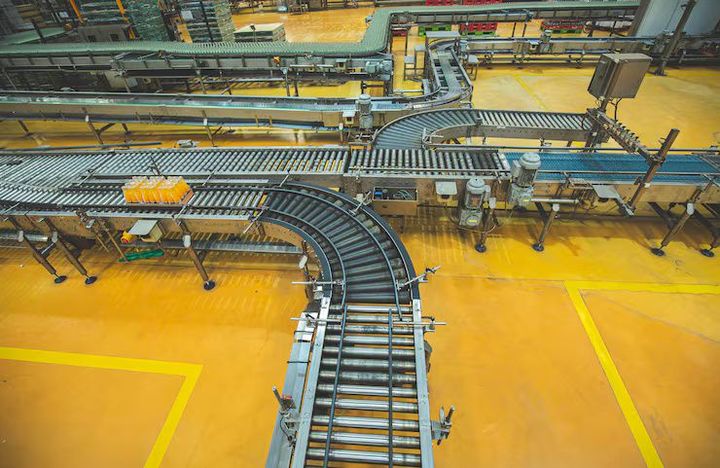
| Conveyor System | Material transport | Continuous flow |
| Magnetic Separator | Metal removal | Equipment protection |
| Shredder | Size reduction | Uniform fuel |
| Air Classifier | Light/heavy separation | Improved fuel quality |
| Pelletizer | Fuel shaping | Storage efficiency |
Industrial waste processing equipment within RDF processing lines is designed for durability and high throughput.
Design Considerations for RDF Plants
Effective refuse derived fuel plant design requires careful planning and engineering.
Important considerations include:
-
Waste composition variability
-
Moisture control
-
Energy efficiency
-
Emission control integration
-
Noise management
-
Material recovery optimization
Waste sorting technology is central to ensuring that non-combustible materials are removed before fuel production.
Moisture reduction is critical. High moisture content reduces calorific value, affecting fuel performance in cement kilns or waste to energy systems.
Advanced environmental compliance systems may include dust control units and odor management systems.
Automation plays an increasing role in biomass fuel processing operations. Sensors and programmable logic controllers help regulate material flow and maintain consistency.
Why RDF Processing Lines Matter Today
RDF processing lines address multiple environmental and industrial challenges.
They matter because they:
-
Reduce landfill dependency
-
Support alternative fuel production
-
Contribute to energy recovery
-
Improve municipal solid waste treatment efficiency
-
Lower greenhouse gas emissions compared to unmanaged waste
Industries that use RDF include:
-
Cement manufacturing
-
Power generation facilities
-
Industrial heating systems
Solid waste management plant operators benefit from converting waste into usable energy resources.
In regions facing landfill shortages, RDF processing offers a practical method to manage non-recyclable waste.
Waste to energy systems incorporating RDF can complement renewable energy infrastructure strategies.
Recent Updates and Trends in 2025
In 2025, RDF processing lines continue evolving alongside sustainability initiatives.
In January 2025, reports from environmental agencies highlighted expanded municipal investments in integrated waste sorting technology. Improved separation systems enhance fuel quality.
In March 2025, advancements in automated optical sorting gained attention. These systems use sensor-based technology to distinguish materials more precisely.
Carbon reduction policies in 2025 encourage cement plants to increase alternative fuel production usage, including RDF.
Energy efficiency improvements in shredding and drying equipment have reduced operational energy consumption.
Digital monitoring platforms now allow real-time tracking of calorific value and moisture levels within refuse derived fuel plant operations.
These trends reflect growing integration of environmental compliance systems and smart industrial waste processing equipment.
Laws and Environmental Regulations
RDF processing lines operate under national and regional waste management regulations.
In the United States, solid waste management is governed by environmental protection laws that regulate landfill diversion and air emissions.
In the European Union, waste hierarchy principles promote recycling and energy recovery before landfill disposal.
In India, municipal solid waste treatment facilities must comply with Solid Waste Management Rules established by environmental authorities.
Regulatory frameworks typically address:
-
Emission limits for waste to energy systems
-
Waste handling standards
-
Environmental impact assessments
-
Worker safety requirements
-
Transportation and storage of RDF fuel
Permits are generally required for operating a solid waste management plant that includes RDF processing.
Compliance ensures environmental protection and public health safeguards.
Tools and Resources for RDF Management
Operators and engineers rely on various tools to optimize RDF processing lines.
Helpful resources include:
-
Calorific value calculators
-
Moisture content testing kits
-
Waste composition analysis tools
-
Environmental impact assessment templates
-
Energy recovery modeling software
Technical tools may include:
-
Process control dashboards
-
Conveyor system monitoring sensors
-
Emission tracking platforms
-
Maintenance scheduling software
-
Industrial safety checklists
Educational resources in environmental engineering and biomass fuel processing provide guidance on plant operation.
Industry publications offer insights into waste to energy systems and alternative fuel production practices.
Using structured tools improves operational efficiency and compliance management.
Frequently Asked Questions
What is an RDF processing line?
An RDF processing line is a system that converts non-recyclable waste into refuse derived fuel for energy use.
What materials are used to produce RDF?
Non-recyclable plastics, paper, textiles, and certain organic residues are common feedstock materials.
How is RDF used?
RDF is typically used as an alternative fuel in cement kilns and industrial boilers.
Are RDF plants environmentally regulated?
Yes. They must comply with waste management and emission control regulations.
What is the benefit of RDF compared to landfill disposal?
RDF reduces landfill volume and recovers energy from waste materials.
Conclusion
RDF processing lines are important components of modern waste to energy systems. By converting municipal solid waste into refuse derived fuel, these systems support landfill reduction and alternative fuel production.
In 2025, advancements in waste sorting technology, automation, and environmental compliance systems continue enhancing solid waste management plant operations. Regulatory frameworks ensure responsible handling and emission control.
Understanding plant design, feedstock management, compliance standards, and technical resources provides valuable insight into RDF processing. As sustainability and circular economy initiatives expand, industrial waste processing equipment and biomass fuel processing systems play a growing role in efficient waste management strategies.