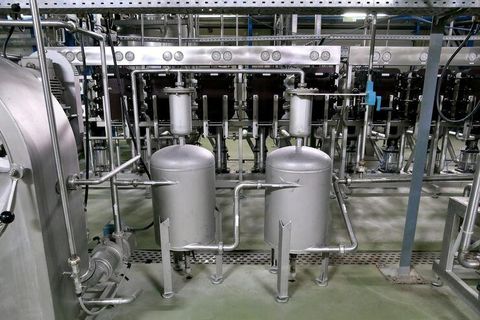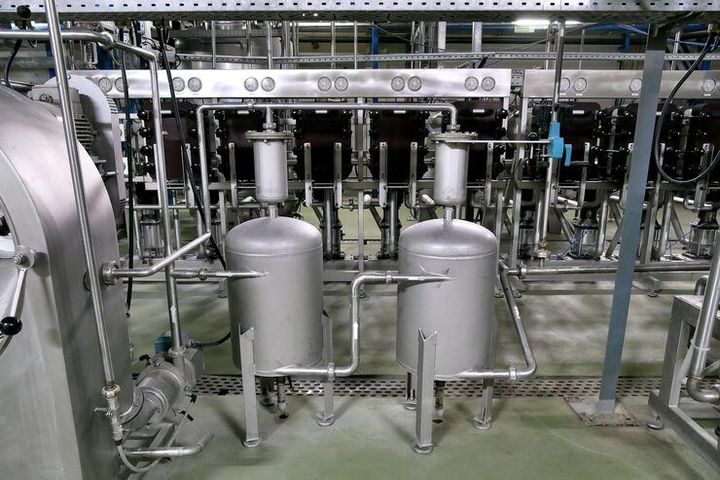
Milk Pasteurization Machines Guide: Explore Basics, Process, and Key Insights
Milk pasteurization machines are used to heat milk in a controlled way to reduce harmful microorganisms and improve safety for human consumption. Pasteurization does not make milk “sterile,” but it significantly lowers the risk of contamination from bacteria that can cause foodborne illness. Because milk is a nutrient-rich liquid, it can support microbial growth if it is not handled and processed correctly. That is why pasteurization became a standard practice in modern dairy processing.
Pasteurization machines are used in many settings, from small dairy operations to large-scale processing plants. They support consistent temperature control, proper holding time, and hygienic handling. These factors help produce safer milk and improve product stability during storage and distribution.
This guide explains milk pasteurization machine basics, how the process works, why it matters, recent updates, regulations, tools and resources, and frequently asked questions.
Context
Milk pasteurization is a heat-treatment process designed to reduce pathogens in milk while keeping the product suitable for drinking and further processing. The method is named after Louis Pasteur, whose work on microbial control helped shape food safety practices.
Pasteurization exists because raw milk can contain microorganisms from:
-
The animal itself
-
Milking equipment and storage containers
-
Water sources used for cleaning
-
Human handling during collection and transport
-
Environmental exposure during farm-to-plant movement
A milk pasteurization machine is designed to apply:
-
A specific temperature
-
For a specific holding time
-
Under controlled flow conditions
-
With hygienic piping and sealed systems
This controlled process helps reduce microbial risk while maintaining the milk’s core nutritional profile. Pasteurization also supports consistency, which is important when milk is used to produce products such as yogurt, cheese, and flavoured dairy drinks.
Importance
Milk pasteurization machines matter today because food safety expectations are higher, dairy supply chains are longer, and consumers rely on consistent product quality. Pasteurization is one of the most important steps in dairy processing because it directly affects safety, shelf stability, and regulatory compliance.
Who it affects
Milk pasteurization impacts:
-
Dairy processing facilities and quality teams
-
Farmers and milk collection networks
-
Retail and cold-chain distribution systems
-
Consumers, including children and older adults
-
Institutions such as schools and hospitals using dairy products
Problems pasteurization helps solve
Pasteurization helps reduce the risk of:
-
Foodborne illness linked to pathogens
-
Rapid spoilage due to microbial growth
-
Inconsistent product quality between batches
-
Contamination issues during transport and storage
-
Regulatory non-compliance in packaged milk production
Why machines are used instead of manual heating
Manual heating is difficult to control accurately. Machines improve safety because they provide:
-
Automated temperature control
-
Consistent holding time
-
Continuous monitoring and recording
-
Hygienic, closed-loop processing
-
Reduced human handling during heating
How Milk Pasteurization Machines Work (Simple Process Explanation)
Milk pasteurization machines follow a structured heating and cooling cycle. While machine design varies, the core steps are similar.
Step 1: Milk reception and filtration
Milk typically enters the processing line after:
-
Quality checks (basic tests for smell, appearance, and temperature)
-
Filtration to remove physical impurities
Step 2: Preheating
Milk is warmed gradually to reduce thermal shock and improve efficiency in heat exchange systems.
Step 3: Pasteurization heating
Milk is heated to a target temperature using a controlled system such as:
-
Plate heat exchangers
-
Tubular heat exchangers
-
Batch heating tanks
The machine ensures the milk reaches the required temperature and stays there for the correct holding time.
Step 4: Holding time control
A holding tube or holding section ensures milk stays at pasteurization temperature long enough to reduce pathogens effectively.
Step 5: Rapid cooling
Milk is cooled quickly to slow microbial growth and maintain quality. This is critical for storage and transport.
Step 6: Storage and packaging
After pasteurization, milk is stored in sanitary tanks and then packed under hygienic conditions.
Common Pasteurization Methods Used in Machines
Pasteurization methods differ mainly by temperature and time combination. The method chosen depends on processing scale, product type, and shelf-life needs.
LTLT (Low Temperature Long Time)
-
Uses lower heat for a longer time
-
Often used in batch systems
-
Common in smaller setups or specialty processing
HTST (High Temperature Short Time)
-
Uses higher heat for a shorter time
-
Often used in continuous flow systems
-
Common in large-scale milk processing
UHT (Ultra-High Temperature)
-
Uses very high heat for a very short time
-
Often paired with aseptic packaging
-
Supports longer shelf stability when packaged correctly
Pasteurization Method Comparison Table
| Method | Temperature Range (Typical) | Time Range (Typical) | Common Use |
|---|---|---|---|
| LTLT | ~63°C | ~30 minutes | Small batches, simple processing |
| HTST | ~72°C | ~15 seconds | Standard packaged milk processing |
| UHT | ~135–150°C | ~2–5 seconds | Extended shelf-life milk products |
Note: Exact settings depend on local regulations and product requirements.
Key Machine Components and Their Functions
Milk pasteurization machines rely on several core parts that support safety and process accuracy.
Heat exchanger
Transfers heat efficiently to milk without direct flame contact. Plate heat exchangers are common for their efficiency and compact design.
Holding tube / holding section
Ensures milk stays at the target temperature for the required duration.
Temperature sensors and controllers
Monitor temperature in real time and help maintain stable processing conditions.
Flow diversion valve (in continuous systems)
Redirects milk if it has not reached the required temperature, helping prevent under-processed milk from moving forward.
Pumps and sanitary piping
Maintain controlled flow and reduce contamination risk through sealed transport.
CIP (Clean-in-Place) system
Allows cleaning and sanitation of internal surfaces without dismantling the machine, improving hygiene and efficiency.
Hygiene and Safety Essentials
Milk pasteurization is not only about heating. Hygiene practices determine whether processed milk stays safe after treatment.
Key safety essentials include:
-
Closed-system processing to reduce exposure
-
Proper cleaning and sanitising cycles
-
Separation of raw milk and pasteurised milk zones
-
Regular calibration of temperature sensors
-
Correct cooling and cold storage immediately after processing
Recent Updates and Industry Trends (2024–2025)
Milk processing technology continues to evolve due to food safety expectations, sustainability targets, and automation improvements.
2024: Increased focus on energy efficiency
In 2024, many dairy plants focused on reducing energy use through:
-
Heat recovery systems in plate heat exchangers
-
Better insulation for tanks and pipelines
-
Optimised CIP cycles to reduce water and chemical usage
2024: More digital monitoring and recordkeeping
Digital temperature logging and automated compliance reporting became more common. This supports:
-
Faster audits
-
Better traceability
-
Reduced manual record errors
2025: Stronger interest in automation and predictive maintenance
In early 2025, many processing facilities continued adopting:
-
Sensor-based maintenance alerts
-
Vibration and pump monitoring
-
Automated fault detection for temperature deviation
2024–2025: Food safety awareness remained high
Public attention to food safety and supply chain quality continued to influence dairy processing standards, especially for packaged milk distributed over long distances.
Laws or Policies (How Pasteurization Is Regulated)
Milk pasteurization is usually regulated under food safety laws, dairy standards, and public health frameworks. Requirements vary by country, but the goals are similar: prevent foodborne illness and ensure safe processing.
Temperature-time standards
Many regulations define minimum pasteurization conditions. Machines must consistently meet these conditions and maintain records.
Plant hygiene and sanitation rules
Dairy plants often follow strict rules for:
-
Equipment cleaning and sanitation
-
Pest control
-
Water quality for cleaning processes
-
Separation of raw and finished product areas
Quality testing requirements
Regulators and industry standards may require:
-
Microbial testing
-
Somatic cell count monitoring
-
Antibiotic residue screening
-
Temperature control verification
Labeling and storage requirements
Rules often cover:
-
Cold storage temperature guidance
-
Expiry date labeling requirements
-
Batch traceability and recall readiness
Tools and Resources
These tools support better understanding and safer operation of milk pasteurization systems.
Process monitoring and documentation
-
Digital temperature log templates
-
HACCP-style checklist templates for dairy processing
-
Batch record sheets for pasteurization cycles
Calculation and planning tools
-
Time-temperature verification worksheets
-
Heat exchanger efficiency calculators (engineering reference tools)
-
CIP cycle scheduling planners
Quality and safety resources
-
Food safety guideline documents (national food authority references)
-
Dairy processing standard operating procedure (SOP) templates
-
Cleaning validation checklists
Training and reference materials
-
Pasteurization flow diagrams for operator training
-
Microbiology basics guides for dairy hygiene
-
Cold-chain handling checklists
Pasteurization Workflow Chart (Text-Based)
Milk Intake → Filtration → Preheating → Pasteurization Heating → Holding Time → Rapid Cooling → Storage → Packaging
This workflow is designed to reduce microbial risk and maintain product stability.
FAQs
What is the main purpose of a milk pasteurization machine?
The main purpose is to heat milk to a controlled temperature for a defined time to reduce harmful microorganisms and improve safety for consumption.
Does pasteurization remove all bacteria from milk?
No. Pasteurization significantly reduces harmful pathogens, but it does not make milk sterile. Proper cooling and hygienic handling after pasteurization remain essential.
What is the difference between HTST and UHT pasteurization?
HTST uses moderate heat for a short time and usually requires refrigeration. UHT uses much higher heat for a very short time and is often combined with aseptic packaging for longer shelf stability.
Why is rapid cooling important after pasteurization?
Rapid cooling slows microbial growth and helps maintain milk quality. It is a key step for safe storage and transport.
How do pasteurization machines prevent under-processed milk from moving forward?
Many continuous systems use flow diversion valves and temperature sensors. If milk does not reach the required temperature, it is redirected until conditions are met.
Conclusion
Milk pasteurization machines play a critical role in modern dairy processing by improving safety, consistency, and shelf stability. They work by heating milk to specific temperature-time standards, holding it long enough to reduce pathogens, and cooling it quickly to protect quality. Along with hygienic equipment design and effective cleaning systems, pasteurization supports safer milk for households, institutions, and large-scale distribution.
With ongoing trends in automation, energy efficiency, and digital monitoring across 2024–2025, pasteurization technology continues to improve. Understanding the basics of pasteurization methods, machine components, and safety standards helps build clearer knowledge of how safe milk production works in real-world processing environments.