Top Features to Look for in Industrial Tanks for Manufacturing & Processing
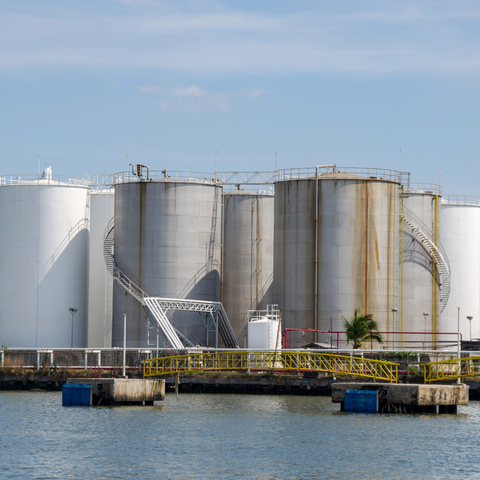
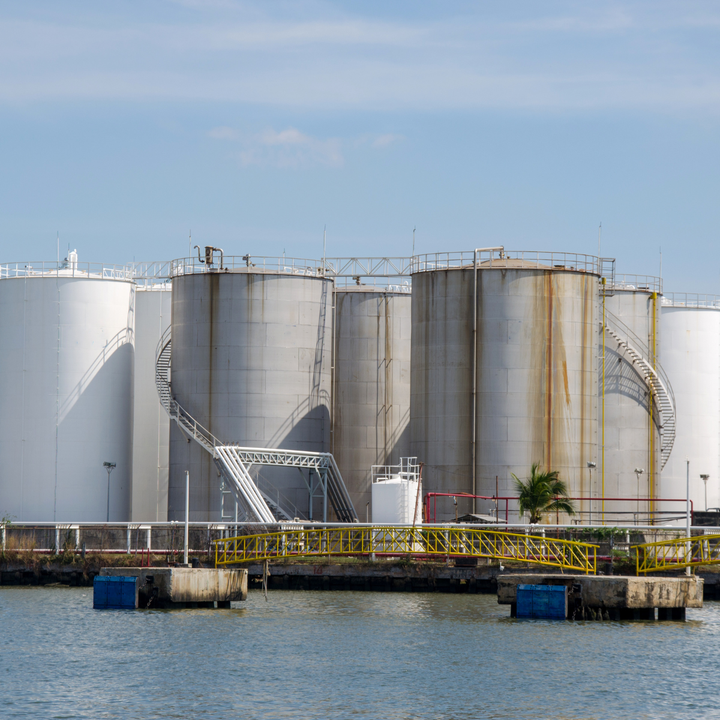
Industrial tanks play a vital role in various manufacturing and processing industries. They are used to store, mix, or process liquids, chemicals, powders, and gases under specific environmental conditions. From food processing plants and chemical factories to pharmaceutical labs and oil refineries, these tanks ensure smooth operations, safety, and compliance.
Choosing the right industrial tank is critical not only for efficiency but also for long-term durability, product integrity, and regulatory compliance. With a wide range of options available, knowing what features to prioritize can help businesses make informed decisions.
Benefits and Limitations of Industrial Tanks
Benefits
-
Customizable Capacity: Industrial tanks come in multiple sizes to suit everything from small-scale operations to large-scale industrial processing.
-
Material Versatility: Options include stainless steel, plastic, carbon steel, and fiberglass, allowing compatibility with different substances.
-
Corrosion Resistance: Certain tanks are designed specifically to resist chemical reactions, rust, and contamination.
-
Temperature and Pressure Control: Many tanks can withstand extreme temperatures and high-pressure conditions, making them suitable for complex manufacturing tasks.
-
Compliance and Safety: Tanks designed for industrial use meet strict environmental, health, and safety standards.
Limitations
-
High Initial Costs: Larger or specialized tanks, such as those designed for corrosive chemicals or hazardous materials, can be expensive.
-
Maintenance Requirements: Without proper maintenance, even high-quality tanks can suffer from contamination, corrosion, or leaks.
-
Space Constraints: Some industrial tanks are massive and may require additional structural support or specific installation environments.
-
Operational Downtime: Replacing or upgrading tanks may require a temporary shutdown of operations.
Types of Industrial Tanks
| Type | Primary Use | Common Materials |
|---|---|---|
| Storage Tanks | Holding liquids, powders, or gases | Stainless steel, fiberglass, polyethylene |
| Mixing Tanks | Blending or agitation of substances | Stainless steel, glass-lined steel |
| Pressure Vessels | Storing materials under pressure | Carbon steel, alloy steel |
| Jacketed Tanks | Temperature control during processing | Stainless steel with insulation |
| Vertical/Horizontal Tanks | Orientation-based installation | Varies based on use and location |
| Septic or Waste Tanks | Collecting and processing waste | HDPE, concrete, fiberglass |
Each type is suited for specific applications. For example, jacketed tanks are ideal for food processing, while pressure vessels are crucial in chemical and pharmaceutical industries.
Latest Trends and Innovations
-
Smart Tank Monitoring
Integration of IoT sensors for real-time data on temperature, pressure, and fluid levels. -
Automated Cleaning Systems (CIP)
Clean-in-place systems allow tanks to be cleaned automatically, reducing manual labor and contamination risk. -
Corrosion-Resistant Coatings
Advanced coatings enhance durability for tanks used in highly corrosive environments. -
Modular Tank Design
Allows flexibility and scalability, especially in growing manufacturing plants. -
Eco-Friendly Materials
Use of recyclable or low-impact materials to meet sustainability goals. -
Digital Twins for Maintenance
Some manufacturers offer digital models of tanks for predictive maintenance and failure detection.
Key Features to Consider
Choosing an industrial tank requires evaluating specific features aligned with your operational needs:
| Feature | Why It Matters |
|---|---|
| Material Composition | Ensures compatibility with stored substances and environmental conditions |
| Tank Capacity | Must match the volume needs of your process |
| Pressure and Temperature Tolerance | Critical for handling reactions or sensitive materials |
| Design (Vertical vs. Horizontal) | Affects space usage and gravity flow |
| Insulation & Heating/Cooling Options | For processes needing thermal regulation |
| Corrosion Resistance | Extends lifespan and ensures safety |
| Compliance Certifications (e.g., ASME, FDA) | Essential for regulated industries like food or pharma |
| Ease of Cleaning & Maintenance | Reduces downtime and contamination risk |
| Fittings & Valves | Impact loading/unloading efficiency and safety |
| Mobility or Modularity | Beneficial for flexible manufacturing layouts |
Top Industrial Tank Companies & Comparisons
Here's a comparison of some well-regarded industrial tank providers:
| Company | Specialties | Public Info / Website |
|---|---|---|
| Paul Mueller Company | Stainless steel tanks, pharma-grade tanks, CIP systems | https://www.paulmueller.com |
| TANK CONNECTION | Bolted, field-welded, shop-welded tanks | https://www.tankconnection.com |
| Snyder Industries | Plastic and poly tanks, transport tanks | https://www.snydernet.com |
| ZCL Composites | Fiberglass tanks for fuel and chemical storage | https://www.zcl.com |
| CST Industries | Storage solutions for water, chemicals, and energy | https://www.cstindustries.com |
Comparison Considerations:
-
Mueller is ideal for food-grade and pharmaceutical tanks.
-
Tank Connection offers excellent bolted solutions for field assembly.
-
Snyder Industries is widely used for agricultural and plastic tank needs.
-
ZCL is a leader in underground fiberglass solutions.
-
CST offers turnkey engineered solutions for bulk storage.
How to Choose the Right Industrial Tank
1. Understand Your Application
Identify what will be stored, the conditions it must withstand, and any compliance needs.
2. Analyze Material Compatibility
Cross-reference your substance with suitable tank materials to avoid corrosion or contamination.
3. Calculate Correct Capacity
Plan not just for current needs but for potential future expansion.
4. Evaluate Location Constraints
Measure your installation space and assess whether vertical or horizontal tanks are more appropriate.
5. Prioritize Certifications
If working in food, pharmaceuticals, or chemicals, always verify FDA, ASME, or ISO certification.
6. Get Manufacturer Support
Opt for companies that offer strong technical support, documentation, and after-sales service.
7. Request Customization if Needed
Some applications may require custom fittings, coatings, or modular options.
Tips for Best Use and Maintenance
-
Follow Installation Guidelines: Improper setup can lead to premature failure or safety hazards.
-
Schedule Regular Inspections: Check for leaks, corrosion, and structural integrity.
-
Clean According to Schedule: Especially in food and chemical processing, cleaning frequency affects product quality.
-
Train Personnel: Make sure staff understands tank handling, especially during loading/unloading.
-
Label Tanks Properly: Clear identification helps avoid cross-contamination or operational errors.
-
Use Compatible Cleaning Agents: Avoid cleaners that may react with tank materials.
Checklist: Buying an Industrial Tank
| Requirement | Check |
|---|---|
| Capacity matches operational need | ✅ |
| Material compatible with contents | ✅ |
| Certified for industry standards | ✅ |
| Proper venting, valves, and ports | ✅ |
| Easy to clean and maintain | ✅ |
| Resistant to corrosion or chemicals | ✅ |
| Supplier offers support and documentation | ✅ |
| Meets space and layout requirements | ✅ |
Frequently Asked Questions (FAQs)
Q1: What material is best for a chemical storage tank?
A: For chemicals, fiberglass-reinforced plastic (FRP), high-density polyethylene (HDPE), or stainless steel are commonly used depending on the chemical's reactivity and temperature.
Q2: Are plastic tanks durable for industrial use?
A: Yes, especially for moderate temperatures and non-corrosive environments. However, metal tanks are better for high-pressure or extreme temperature conditions.
Q3: Can I use the same tank for different substances?
A: Only if the tank is properly cleaned and the materials are compatible. Some industries require single-use or dedicated tanks to prevent contamination.
Q4: How often should industrial tanks be inspected?
A: Visual inspections can be done monthly, while more thorough inspections are usually annual or as per industry regulations.
Q5: What certifications should I look for in an industrial tank?
A: Common ones include ASME (for pressure vessels), FDA (for food-grade materials), and ISO standards for manufacturing consistency.
Q6: Are modular tanks safe and reliable?
A: Yes, when engineered correctly, modular tanks provide flexibility without compromising safety or performance.
Q7: Can industrial tanks be relocated?
A: Some tanks (especially plastic or modular steel ones) can be moved, but large or permanently installed tanks may require professional disassembly.
Conclusion: Making a Smart, Informed Investment
Industrial tanks are more than storage units—they are integral to the safety, efficiency, and output of manufacturing and processing operations. By understanding their types, features, and considerations, businesses can choose the right solution tailored to their needs. Whether you’re storing chemicals, processing food, or managing thermal conditions, the right tank can make a significant difference in operational success.