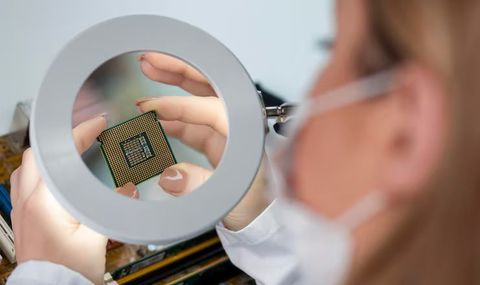
An Overview of Semiconductor Supply Chains and Manufacturing Trends
Benefits and Limitations of Semiconductor Supply Chains
Semiconductors power the digital world. From smartphones and cars to medical devices and defense systems, these tiny chips are essential to modern life. Yet, despite their importance, the global semiconductor supply chain has faced significant challenges in recent years, from production delays to geopolitical pressures.
Understanding how these supply chains work—and how they are evolving—is essential not just for engineers and manufacturers, but for business leaders, policymakers, and tech-savvy consumers. This article provides a clear and comprehensive overview of the semiconductor supply chain, its benefits and limitations, the key categories of products and manufacturers, and the latest innovations shaping the industry.
Benefits
-
Global Specialization: Different regions specialize in different steps—design, fabrication, assembly—resulting in optimized processes and cost efficiencies.
-
Innovation Acceleration: A global network of suppliers and producers supports rapid technological advancement.
-
Scale and Reach: Centralized foundries can supply chips to companies worldwide, lowering costs and increasing availability.
-
Flexibility: Outsourcing allows companies to focus on chip design while leveraging external partners for production.
Limitations
-
Supply Disruptions: Events such as pandemics, natural disasters, or political tensions can disrupt the chain and cause shortages.
-
Geopolitical Risks: Heavy reliance on specific regions (e.g., Taiwan for chip fabrication) increases vulnerability to political tensions.
-
Long Lead Times: Manufacturing semiconductors can take several weeks or months from design to delivery.
-
Complex Logistics: The multiple steps and global nature of the supply chain can make tracking and quality assurance difficult.
Categories in the Semiconductor Ecosystem
Semiconductors go through several distinct phases, each involving specialized players:
| Category | Description | Examples |
|---|---|---|
| Design | Circuit layout and architecture | ARM, NVIDIA, AMD |
| Fabrication | Wafer processing and chip creation | TSMC, Samsung Foundry, Intel Foundry Services |
| Assembly & Packaging | Cutting wafers, packaging chips into usable formats | ASE Group, Amkor Technology |
| Testing | Ensuring chips meet performance standards | Advantest, Teradyne |
| Distribution | Delivery to OEMs or end-users | Arrow Electronics, Avnet |
Latest Trends and Innovations
1. Geographical Diversification
Countries like the U.S., Japan, and India are investing in domestic chip production to reduce reliance on a few manufacturing hubs.
2. Advanced Lithography
Extreme Ultraviolet (EUV) lithography is enabling smaller, more powerful chips at 5nm and below.
3. 3D Chip Stacking
Technologies like 3D ICs and chiplets are allowing chips to be stacked vertically for improved performance.
4. AI-Driven Design
Artificial intelligence tools are increasingly used to optimize chip design, reducing development time and improving performance.
5. Green Manufacturing
Efforts are underway to reduce the environmental footprint of semiconductor manufacturing through more efficient water use, waste reduction, and renewable energy adoption.
Key Features to Consider in a Semiconductor Supply Chain
When evaluating a semiconductor manufacturer or supply chain partner, consider the following:
-
Foundry Capabilities: Does the foundry support advanced process nodes like 7nm or 5nm?
-
Yield Rates: Higher yields mean more usable chips per wafer, lowering cost and improving availability.
-
Time-to-Market: Lead times can vary significantly depending on production capacity and location.
-
Geopolitical Stability: Suppliers located in stable regions tend to offer more reliable deliveries.
-
Technology Compatibility: Ensure the foundry supports your design tools and packaging needs.
-
Quality Assurance: Look for ISO certifications and robust testing procedures.
-
Sustainability Initiatives: Many companies now prioritize eco-friendly production.
Top Companies in Semiconductor Manufacturing
Here’s a comparison of some of the most prominent companies in the semiconductor supply chain:
| Company | Specialization | Notable Clients | Headquarters |
|---|---|---|---|
| TSMC | Chip fabrication (foundry) | Apple, AMD, Qualcomm | Taiwan |
| Intel Foundry | Foundry, design, packaging | Amazon, US government | USA |
| Samsung Foundry | Foundry + Memory | NVIDIA, Google | South Korea |
| GlobalFoundries | Foundry for older nodes | AMD, Broadcom | USA |
| ASE Group | Assembly and packaging | Broad portfolio | Taiwan |
| NVIDIA | Chip design (GPUs, AI) | OEMs, data centers | USA |
| Cadence / Synopsys | Electronic Design Automation | Global design teams | USA |
While you cannot purchase directly from all of these companies as a consumer, their products and services form the backbone of nearly all modern electronics.
How to Choose the Right Semiconductor Partner
Choosing the right partner depends on your specific needs, budget, and project scale. Here’s a simple checklist:
Semiconductor Partner Checklist:
| Criteria | Your Requirement |
|---|---|
| Advanced Process Node | Yes / No |
| Design Tool Compatibility | Yes / No |
| Time-to-Market Speed | Short / Medium / Long |
| Regional Preferences | Asia / US / EU |
| Cost Sensitivity | Low / Medium / High |
| Sustainability Focus | Important / Not Critical |
| Support for IP Protection | Yes / No |
You can use this checklist during early vendor discussions or RFP processes to align your requirements with potential suppliers.
Tips for Efficient Use and Maintenance of Semiconductor Supply Chains
Whether you're a small OEM, a system integrator, or part of a large enterprise, the following tips will help ensure smooth and cost-effective semiconductor operations:
1. Plan for Long Lead Times
Build forecasting and buffer inventory into your planning, especially during high-demand periods.
2. Diversify Suppliers
Avoid relying on a single vendor or region. Establish secondary relationships as a risk mitigation strategy.
3. Monitor Geopolitical Developments
Supply risks often emerge from policy changes, trade restrictions, or regional instability.
4. Leverage EDA Tools
Use electronic design automation software to optimize for manufacturability and compatibility with foundries.
5. Stay Updated on Roadmaps
Follow roadmaps from companies like TSMC, Intel, and Samsung to ensure your product timelines match upcoming chip advancements.
Frequently Asked Questions (FAQs)
Q1: Why is there a global semiconductor shortage?
Global semiconductor shortages have been driven by increased demand (e.g., for work-from-home electronics), factory closures due to COVID-19, and supply chain bottlenecks. Geopolitical factors and underinvestment in fabrication also play a role.
Q2: Can semiconductors be manufactured entirely within one country?
Technically, yes—but most countries rely on a global supply chain due to cost, specialization, and technology-sharing needs. However, initiatives are increasing to bring more production onshore.
Q3: What is the difference between a foundry and a chip designer?
Chip designers like NVIDIA or AMD create the blueprint, while foundries like TSMC or Intel Foundry Services handle manufacturing.
Q4: Are older semiconductor nodes still in demand?
Yes. Many devices (e.g., cars, household appliances) do not require advanced nodes and can operate on 28nm or even 65nm chips, which are cheaper and more widely available.
Q5: How long does it take to manufacture a chip?
The process from design to final chip can take several months. Fabrication alone often takes 6–8 weeks, followed by testing and packaging.
Conclusion: Understanding and Preparing for the Future of Semiconductors
The semiconductor supply chain is intricate, global, and rapidly evolving. As devices become smarter and more interconnected, the importance of resilient, transparent, and innovative semiconductor production cannot be overstated.
Whether you are building a tech product, investing in manufacturing infrastructure, or simply want to understand what powers the digital world, having a grasp of how semiconductors are made and delivered is essential.