Guide to AI and Machine Learning in ERP: Transforming Business Intelligence
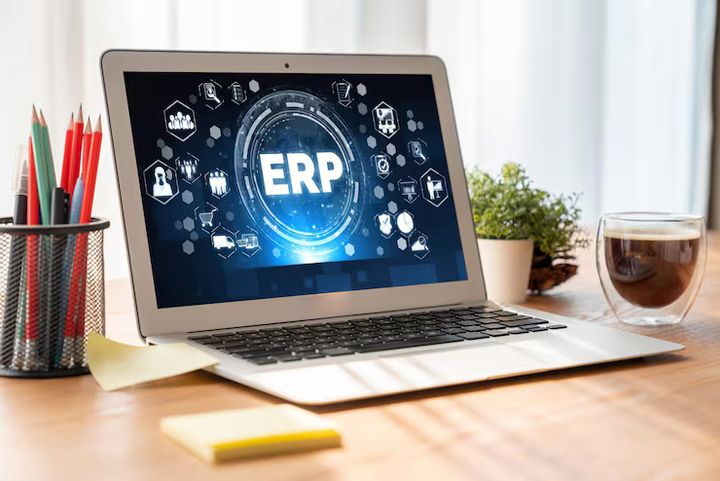
Enterprise Resource Planning (ERP) software has always been central to managing business operations such as finance, supply chain, and HR. However, traditional ERP systems are no longer sufficient to keep pace with rapidly changing business demands. Today, AI (Artificial Intelligence) and machine learning (ML) are embedded into ERP solutions, enabling predictive analytics, intelligent automation, and smarter decision-making. This shift is redefining ERP from a transactional tool into a strategic intelligence platform.
Importance of AI in ERP
AI and machine learning transform ERP from being reactive to proactive. Instead of just recording data, ERP systems now interpret patterns, identify risks, and suggest improvements.
Key benefits include:
-
Predictive Analytics: Forecasting demand, sales, and resource needs with greater accuracy.
-
Process Automation: Reducing manual tasks through AI-driven workflows.
-
Personalization: Tailoring dashboards and recommendations for each user.
-
Risk Detection: Identifying fraud, compliance issues, or supply chain disruptions early.
-
Enhanced Decision-Making: Providing executives with real-time, data-driven insights.
Businesses using AI-enabled ERP report higher efficiency, reduced costs, and improved agility, making it essential for digital competitiveness.
Recent Updates in AI-Driven ERP
-
Embedded AI Assistants: ERP platforms like SAP, Oracle NetSuite, and Microsoft Dynamics now integrate AI chatbots and copilots to automate queries and reports.
-
Real-Time Analytics: AI enables ERP to provide continuous monitoring of KPIs rather than static monthly reports.
-
Generative AI for ERP: Some solutions are adopting generative AI to create forecasts, write reports, and simulate business scenarios.
-
Edge Computing Integration: AI-powered ERP systems are being optimized for IoT-enabled industries like manufacturing and logistics.
Laws and Compliance Considerations
AI-driven ERP systems must comply with global data protection and industry-specific regulations:
-
GDPR (General Data Protection Regulation): Ensures personal and customer data within ERP is secure.
-
CCPA (California Consumer Privacy Act): Governs how ERP solutions manage consumer data in the US.
-
SOX (Sarbanes-Oxley Act): Compliance for financial reporting in ERP systems.
-
HIPAA (Health Insurance Portability and Accountability Act): For ERP used in healthcare sectors.
Enterprises must ensure ERP vendors provide compliance-ready features, audit trails, and secure AI algorithms to minimize risks.
Tools and Resources
Here are leading AI-powered ERP solutions and their focus areas:
| ERP Platform | AI/ML Features | Key Focus |
|---|---|---|
| SAP S/4HANA | Predictive analytics, AI bots, intelligent workflows | Enterprise-scale operations |
| Oracle NetSuite | AI-driven financial forecasts, analytics, compliance | Cloud-native ERP |
| Microsoft Dynamics 365 | AI copilots, ERP automation, Power BI integration | Business intelligence |
| Infor CloudSuite | Industry-specific AI automation | Manufacturing and logistics |
| Workday ERP | HR and finance analytics powered by ML | Workforce management |
FAQs
Q1. How does AI improve ERP analytics?
AI enables ERP systems to process large datasets in real-time, uncover patterns, and deliver predictive insights for better decision-making.
Q2. Can small businesses use AI in ERP?
Yes, many cloud ERP providers now offer AI-powered features scaled for SMEs, making advanced analytics affordable.
Q3. Is AI in ERP secure?
Security depends on vendor practices, including encryption, compliance certifications, and AI model governance. Choosing ERP solutions with strong compliance support is crucial.
Q4. What industries benefit most from AI-driven ERP?
Manufacturing, healthcare, finance, and retail see the most value due to predictive analytics, supply chain automation, and fraud detection.
Q5. How is AI different from traditional ERP automation?
Traditional automation executes fixed workflows, while AI automation adapts dynamically, learning from data patterns to optimize future processes.
Conclusion
The integration of AI and machine learning in ERP is reshaping the way businesses operate in 2025. Instead of relying on backward-looking data, enterprises now leverage predictive insights, automation, and intelligent decision-making. By choosing AI-driven ERP solutions, businesses not only gain efficiency but also unlock new levels of innovation and agility.
As compliance, security, and AI governance evolve, organizations must align ERP strategy with both business objectives and regulatory standards. The future of ERP lies in being not just a system of record, but a system of intelligence.