Guide to CNC Laser Cutting: Efficiency and Precision in Industrial Manufacturing
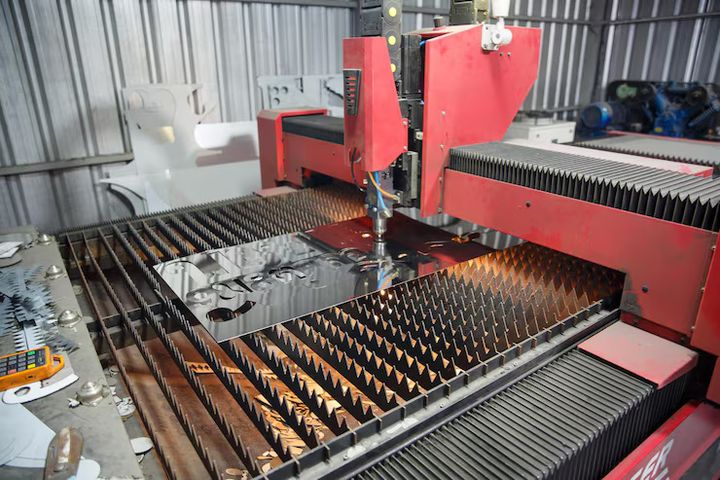
CNC (Computer Numerical Control) laser cutting is a manufacturing process that uses computer-controlled lasers to cut, engrave, or shape materials with high accuracy. Unlike traditional cutting methods, CNC laser machines rely on digital designs and automation, making them suitable for industries such as automotive, aerospace, construction, and electronics. The process exists because industries demand both speed and precision in shaping metals, plastics, ceramics, and composites.
Importance
The importance of CNC laser cutting lies in its ability to reduce human error, improve production efficiency, and deliver complex designs with tight tolerances. Manufacturers increasingly adopt this technology to remain competitive. It solves common industry challenges such as:
-
Reducing waste of raw materials
-
Increasing accuracy in large-scale production
-
Enabling design flexibility
-
Lowering downtime in manufacturing lines
Industries that rely on consistent quality, such as aerospace and healthcare device production, benefit heavily from CNC laser cutting.
Recent Updates
In recent years, CNC laser cutting technology has advanced significantly:
-
2023: Introduction of AI-assisted CNC software improved automation in laser cutting.
-
2024: Hybrid laser systems combining fiber and CO₂ lasers became more widely used in industrial plants.
-
2025: Smart factories are now integrating CNC laser cutting with IoT sensors for predictive maintenance, reducing unexpected machine downtime.
These updates highlight how precision cutting aligns with Industry 4.0 trends, ensuring faster, safer, and more sustainable manufacturing.
Laws or Policies
CNC laser cutting is affected by safety regulations and industrial policies across different regions:
-
OSHA (Occupational Safety and Health Administration – USA) enforces standards for machine operators, requiring protective eyewear and proper ventilation.
-
EU Machinery Directive mandates compliance for equipment safety in European industries.
-
Environmental Regulations: Many countries have introduced policies to minimize emissions and energy usage from large-scale laser systems.
-
India’s Manufacturing Policy 2024 encourages adoption of CNC and automation technologies under the “Make in India” initiative.
Adhering to these laws ensures not only worker safety but also sustainable industrial growth.
Tools and Resources
Several tools and resources support the use of CNC laser cutting in industry:
-
CAD (Computer-Aided Design) Software – AutoCAD, SolidWorks for creating accurate digital models.
-
CAM (Computer-Aided Manufacturing) Software – Fusion 360, Mastercam for translating designs into CNC machine instructions.
-
Material Selection Guides – Online databases that help engineers choose suitable metals or polymers for laser cutting.
-
Simulation Tools – Used to test cutting strategies before actual production, minimizing waste.
-
Training Platforms – Online courses on CNC operation and safety compliance.
FAQs
What industries use CNC laser cutting the most?
Automotive, aerospace, electronics, medical devices, and construction industries widely use CNC laser cutting for precision parts.
How is CNC laser cutting different from traditional cutting methods?
It offers higher accuracy, less material waste, and the ability to execute complex designs compared to manual or mechanical cutting.
Is CNC laser cutting energy-efficient?
Modern fiber lasers are more energy-efficient than older CO₂ systems, reducing power consumption while maintaining precision.
What materials can CNC laser machines cut?
They can cut metals like steel, aluminum, and titanium, as well as plastics, wood, ceramics, and composites.
Are there safety rules for CNC laser cutting operators?
Yes, operators must follow workplace safety regulations, including protective gear, exhaust systems, and machine compliance standards.
Conclusion
CNC laser cutting has become a cornerstone of industrial manufacturing due to its precision, speed, and adaptability. With ongoing updates in AI, hybrid systems, and IoT integration, industries can achieve higher efficiency while meeting global safety and environmental standards. For manufacturers, understanding laws, tools, and resources ensures the effective use of this technology, making it a vital component of modern production lines.