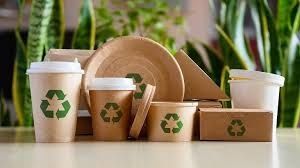
Guide to Eco-Friendly Packaging Innovations 2025: Sustainable Solutions for a Greener Future
As global sustainability takes center stage, eco-friendly packaging innovations are reshaping the future of product delivery and brand responsibility. Businesses in 2025 are increasingly turning toward biodegradable, compostable, and recyclable materials to minimize waste and reduce their environmental footprint. These innovations are not just ethical choices—they’re strategic investments that improve brand trust, attract eco-conscious consumers, and comply with tightening global regulations.
The shift toward sustainable packaging is being fueled by a combination of environmental policies, consumer demand, and technological advancements. From green packaging ideas for eCommerce to advanced biodegradable packaging solutions for businesses, the focus is clear: creating packaging that protects both the product and the planet.
Why Eco-Friendly Packaging Matters in 2025
The packaging industry is responsible for nearly 40% of global plastic waste, making sustainability a critical priority. In 2025, consumers are demanding transparency and accountability from brands, favoring companies that adopt eco-conscious packaging strategies.
-
Environmental benefits: Reduces landfill waste and carbon emissions.
-
Economic benefits: Lowers material costs through recyclability and reusability.
-
Brand image: Builds loyalty among green-minded customers.
Governments worldwide are also implementing bans on single-use plastics and incentivizing businesses that switch to renewable or biodegradable materials.
Emerging Trends in Sustainable Packaging
1. Biodegradable and Compostable Materials
Innovations in 2025 feature plant-based polymers, cornstarch blends, and mushroom packaging that decompose naturally within months.
-
Popular materials: PLA (Polylactic Acid), PHA, Bagasse, Bamboo fiber.
-
Applications: Food containers, retail wraps, takeaway boxes.
-
Key Benefit: 100% compostable and leaves no toxic residue.
2. Recyclable Mono-Materials
Manufacturers are adopting mono-material packaging—using a single recyclable substance instead of mixed plastics.
-
Example: Polyethylene (PE) pouches and PET bottles with recyclable caps.
-
Advantage: Simplifies recycling and reduces waste contamination.
3. Smart & Minimalist Design
In 2025, packaging design goes beyond looks—it’s about efficiency.
-
Minimalist packaging reduces ink use and material volume.
-
Smart packaging integrates QR codes for sustainability tracking and consumer education.
4. Refillable & Returnable Systems
Companies like cosmetic and beverage brands are reintroducing refill stations and returnable bottles, saving millions of tons of plastic annually.
-
Advantage: Circular economy model that prioritizes reusability.
-
Example: Stainless steel and glass packaging with lifetime usage.
5. Water-Soluble & Edible Packaging
Next-generation materials include seaweed films, rice paper, and edible sachets, which dissolve in water or can be safely consumed.
-
Use case: Food, pharmaceuticals, and travel packaging sectors.
-
Sustainability impact: Eliminates waste entirely.
Green Packaging Ideas for eCommerce Businesses
ECommerce brands are some of the largest packaging consumers. To adopt green packaging ideas:
-
Switch to paper-based mailers instead of plastic envelopes.
-
Use recycled cardboard boxes for shipping.
-
Adopt biodegradable bubble wraps made of cornstarch.
-
Print with soy-based inks to reduce chemical runoff.
-
Implement minimal branding to save ink and resources.
Companies such as sustainable clothing retailers and small business marketplaces are leading the charge with zero-waste delivery models.
Future of the Sustainable Packaging Industry
The sustainable packaging market is projected to exceed $500 billion USD by 2030, growing at over 6% CAGR. This growth is driven by:
-
Innovations in bioplastics and fiber composites
-
Corporate sustainability goals
-
Consumer preference for recyclable products
-
Expansion of government green policies
Emerging economies in Asia-Pacific and Europe are investing heavily in green packaging startups, supporting research in biodegradable polymers and automated eco-friendly manufacturing.
Tips for Reducing Plastic Waste in Packaging
To reduce packaging-related plastic waste, businesses can adopt these strategies:
-
Audit your packaging: Identify where plastic use can be reduced.
-
Switch to alternative materials: Paper, glass, and compostable polymers.
-
Design for reuse: Encourage consumers to repurpose packaging.
-
Partner with eco-suppliers: Work with vendors offering sustainable options.
-
Educate consumers: Use packaging labels to promote recycling awareness.
Key Benefits of Sustainable Packaging
| Benefit | Impact |
|---|---|
| Lower carbon footprint | Reduces manufacturing emissions |
| Consumer trust | Builds long-term brand loyalty |
| Cost savings | Long-term savings via reuse and recyclability |
| Compliance | Meets evolving environmental regulations |
| Innovation | Encourages new material development |
Eco-Friendly Packaging Innovations by Industry
-
Food & Beverage: Compostable trays, edible wrappers, and plant-based bottles.
-
Retail & Fashion: Recycled hang tags, biodegradable polybags.
-
Healthcare: Sterile compostable containers and biopolymer films.
-
ECommerce: Recyclable boxes, tape-free mailers, and plant-based inks.
These applications demonstrate how sustainability can coexist with functionality and branding.
Challenges in Implementing Green Packaging
While progress is rapid, challenges remain:
-
High initial costs for biodegradable materials.
-
Limited recycling infrastructure in some regions.
-
Material durability issues under certain conditions.
-
Consumer education gaps on proper disposal methods.
However, ongoing technological advances and government support are gradually resolving these issues, making eco-friendly packaging more accessible and cost-effective.
Conclusion
The year 2025 marks a turning point for global packaging industries. With growing innovation in biodegradable packaging solutions, green eCommerce strategies, and smart materials, businesses are embracing sustainability as a competitive advantage. Eco-friendly packaging not only protects the environment but also strengthens consumer relationships and future-proofs brands in a world increasingly defined by environmental responsibility.