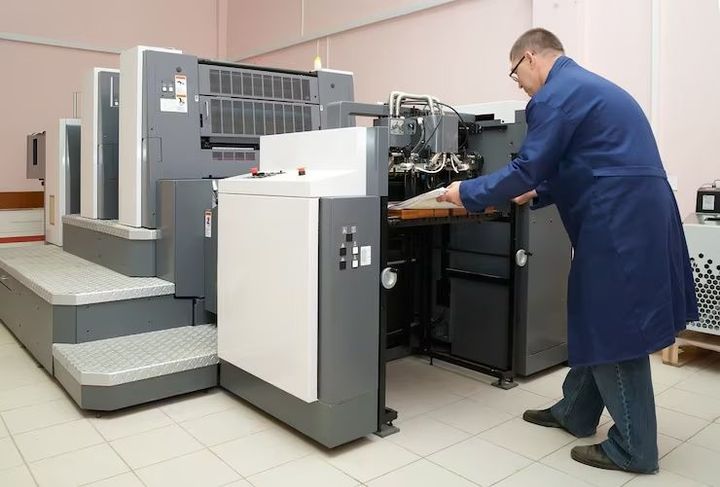
Guide to Industrial Laminating Machines and Applications
Industrial laminating machines are devices designed to apply a protective or decorative layer onto materials, improving durability, aesthetics, and functionality. The process of lamination involves bonding two or more layers using adhesives, heat, or pressure.
While laminating has long been used in printing and packaging, industrial laminating machines now serve multiple sectors, including construction, automotive, textiles, furniture, and electronics. These machines ensure consistency, speed, and efficiency in large-scale production.
Importance of laminating machines in modern industry
Industrial laminating machines play a critical role by:
-
Enhancing product durability – Protecting surfaces against scratches, moisture, and wear.
-
Improving visual appeal – Adding glossy, matte, or textured finishes.
-
Increasing functionality – Providing fire resistance, UV protection, or insulation.
-
Supporting sustainability – Allowing use of recycled materials with protective coatings.
-
Boosting efficiency – Reducing manual finishing processes in mass production.
Industries that benefit include packaging (food and pharma), automotive interiors, furniture laminates, solar panels, and flexible electronics.
Recent updates in laminating technology (2024–2025)
| Year | Trend or Update | Impact on Industry |
|---|---|---|
| 2024 | Introduction of eco-friendly laminating films | Reduced environmental impact of packaging |
| 2024 | Growth in automated precision laminators | Faster production with reduced waste |
| 2025 | Rise of multi-layer smart laminations | Wider use in solar panels and electronics |
| 2025 | Expansion of AI-driven quality control systems | Improved defect detection in real time |
These innovations reflect how industries are balancing efficiency, performance, and sustainability.
Applications of industrial laminating machines
Laminating machines are versatile and serve across industries:
-
Printing and packaging – Protecting labels, cartons, and flexible packaging films.
-
Automotive industry – Laminated dashboards, upholstery, and safety glass.
-
Construction materials – Decorative laminates for flooring, wall panels, and furniture.
-
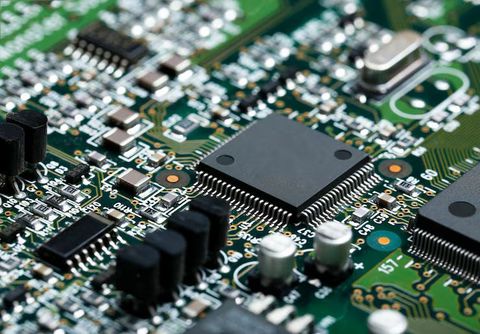
Electronics – Protective films for displays, solar cells, and circuit boards.
-
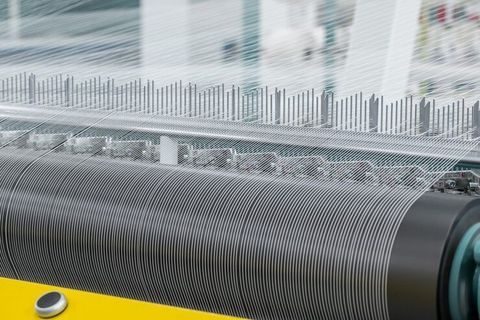
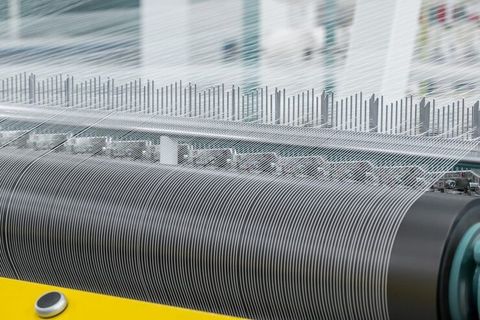
Textiles – Waterproof, fireproof, or breathable fabrics for industrial use.
Analysis: Advantages and challenges
Advantages
-
Consistent quality across large production volumes.
-
Flexibility to laminate various substrates (paper, plastic, wood, textiles, metals).
-
Ability to incorporate special properties like heat resistance and insulation.
-
Increased automation reduces human error.
Challenges
-
High energy consumption in thermal laminators.
-
Requirement for skilled operators in advanced models.
-
Adhesive waste management and environmental concerns.
-
Initial investment in large-scale laminating systems.
Comparison table: Thermal vs. Cold laminating machines
| Feature | Thermal Laminating Machines | Cold Laminating Machines |
|---|---|---|
| Process | Heat + pressure with adhesives | Pressure-sensitive adhesive |
| Speed | Faster for high-volume production | Slower, suited for smaller runs |
| Durability | Stronger and longer-lasting bonds | Moderate durability |
| Applications | Packaging, furniture, electronics | Textiles, signage, delicate films |
| Energy Use | Higher | Lower |
Laws and policies impacting laminating machine applications
Industrial laminating is regulated to ensure safety, quality, and sustainability:
-
EU Packaging and Packaging Waste Directive (2024 revision) – Promotes recyclable laminates in packaging.
-
Occupational Safety and Health Administration (OSHA, USA) – Regulates operator safety in machine handling.
-
India’s BIS Standards for Laminates – Ensure fire resistance and durability in construction laminates.
-
ISO 4586 Standards – Define performance for high-pressure decorative laminates.
-
Environmental Protection Policies (Global) – Encourage reduction of solvent-based adhesives.
These frameworks ensure laminating machines meet environmental and safety standards across industries.
Tools and resources for laminating processes
-
Computer-Aided Design (CAD) software – For prototyping laminated structures.
-
Material testing equipment – To check adhesion strength and durability.
-
Automation and robotics systems – For precision lamination in electronics.
-
AI-based quality monitoring tools – Real-time defect detection.
-
Training modules and e-learning platforms – For machine operation and maintenance skills.
Expert recommendations for adopting laminating machines
-
Select machines based on industry-specific needs (thermal, cold, vacuum, or roll-to-roll laminators).
-
Invest in eco-friendly laminating films to align with global sustainability standards.
-
Incorporate automation and AI monitoring for consistent quality.
-
Ensure compliance with regional safety and environmental regulations.
-
Train workforce regularly to handle advanced laminating technologies.
FAQs about industrial laminating machines
What industries rely most on laminating machines?
Packaging, automotive, furniture, electronics, textiles, and construction industries use laminating extensively.
What is the difference between industrial and office laminators?
Industrial laminators are larger, faster, and capable of handling diverse materials, unlike small office laminators designed for documents.
Are laminating machines eco-friendly?
Modern laminators use recyclable films and solvent-free adhesives, but older models may have environmental challenges.
Can laminating machines handle textiles?
Yes, specialized laminators add waterproofing, fire resistance, or durability to fabrics.
What safety measures are needed for operators?
Proper training, protective gear, and adherence to OSHA/ISO guidelines ensure safe machine operation.
Conclusion
Industrial laminating machines are vital for industries that require durability, protection, and aesthetics in their products. With applications in packaging, automotive, construction, and electronics, these machines support both functional and decorative needs.
Technological innovations such as AI-driven monitoring, eco-friendly films, and multi-layer laminations are shaping the future of the sector. By aligning with global safety and sustainability regulations, industries can maximize the potential of laminating while reducing environmental impact.