Guide to Industrial Ultrasonic Cleaners: Precision Cleaning for Modern Industries
Industrial ultrasonic cleaners are specialized machines that use high-frequency sound waves to remove contaminants such as grease, oil, carbon, and biological residues from complex surfaces. These systems are widely used in sectors like aerospace, automotive, electronics, and medical equipment manufacturing, where precision and cleanliness are critical.
Ultrasonic cleaning works through a process known as cavitation, where microscopic bubbles form and collapse in the cleaning solution. This energy releases powerful cleaning forces that penetrate even tiny crevices, providing a level of cleaning far beyond what manual scrubbing or traditional washing methods can achieve.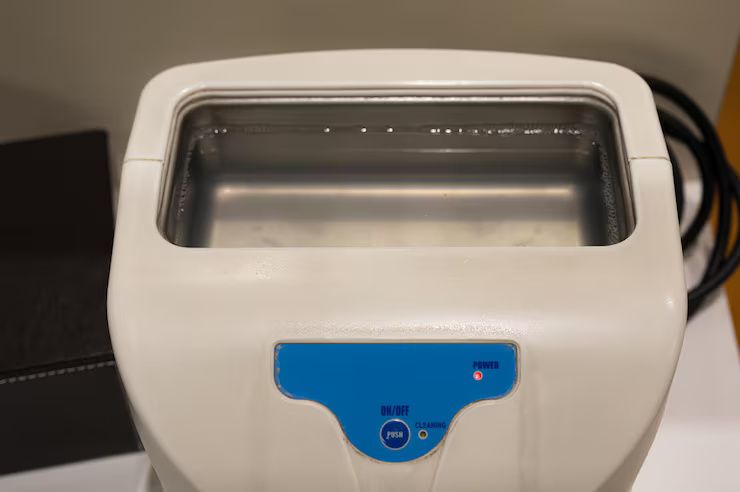
Key Benefits of Ultrasonic Cleaning Technology
-
Precision Cleaning: Ensures complete removal of microscopic debris from intricate parts.
-
Non-Destructive Process: Gentle on materials, preserving surface finishes and component integrity.
-
Time Efficiency: Rapid cleaning cycles increase operational productivity.
-
Eco-Friendly: Uses biodegradable or low-chemical cleaning solutions, reducing waste.
-
Versatility: Suitable for metals, ceramics, plastics, glass, and composite materials.
Applications Across Industries
1. Automotive and Manufacturing
Used for cleaning engine parts, carburetors, bearings, injectors, and molds before reassembly or coating.
2. Medical and Laboratory Equipment
Sterilization and residue removal from surgical tools, dental instruments, and laboratory glassware.
3. Electronics and Semiconductors
Cleaning PCBs, sensors, and microchips without static or abrasive damage.
4. Aerospace and Defense
Precision cleaning of turbine blades, fuel system components, and navigational instruments.
5. Jewelry and Optical Industries
Maintains the shine and accuracy of jewelry, watches, and optical lenses.
Types of Ultrasonic Cleaning Systems
| Type | Description | Best Used For |
|---|---|---|
| Benchtop Ultrasonic Cleaners | Compact units for small parts | Laboratories, workshops |
| Industrial Tank Systems | Large tanks for batch cleaning | Manufacturing and automotive |
| Automated Ultrasonic Systems | Conveyor-based or robotic operation | High-volume production lines |
| Medical Ultrasonic Cleaners | Designed for sterilization compliance | Hospitals, clinics |
| Multistage Cleaning Systems | Includes rinsing and drying chambers | Aerospace, semiconductor industries |
How Automated Ultrasonic Cleaning Equipment Works
Automated ultrasonic systems integrate robotics, conveyors, and programmable logic controllers (PLCs) for streamlined workflows. A typical cleaning cycle includes:
-
Loading: Parts placed in baskets or trays.
-
Ultrasonic Cleaning: Cavitation removes residues in the cleaning bath.
-
Rinsing: Removes dissolved contaminants.
-
Drying: Hot air or vacuum drying ensures no moisture remains.
-
Inspection: Quality control checks verify cleanliness.
Automation not only minimizes labor but ensures consistent cleaning quality and compliance with industrial standards.
Choosing the Right Ultrasonic Cleaning System
When selecting a system, consider:
-
Material Compatibility: Ensure the solution and frequency match the material type.
-
Tank Size and Volume: Based on part dimensions and batch volume.
-
Frequency Range: 20–40 kHz for heavy cleaning; 68–130 kHz for delicate instruments.
-
Automation Level: Manual, semi-automated, or fully automated.
-
Energy Efficiency: Systems with digital generators and thermostatic controls save power.
-
Maintenance Needs: Prefer modular systems with easy access for tank cleaning and transducer replacement.
Maintenance and Safety Tips
-
Replace cleaning fluid regularly to maintain efficiency.
-
Avoid overloading tanks to ensure even cavitation.
-
Use protective gloves when handling chemicals.
-
Calibrate ultrasonic frequency and temperature periodically.
-
Inspect transducers and electrical connections routinely.
Future Trends in Ultrasonic Cleaning Technology
-
Smart Monitoring Systems: IoT integration for real-time temperature, frequency, and fluid quality tracking.
-
Eco-Safe Solvents: Non-toxic, biodegradable cleaning agents.
-
Energy Optimization: Digital ultrasonic generators reduce power consumption.
-
Precision Automation: Robotic arms and sensors for delicate part handling.
-
AI-Driven Diagnostics: Predictive maintenance for extended machine life.
Practical Takeaway
Industrial ultrasonic cleaning offers unmatched efficiency for removing contaminants from complex components. Whether you need precision ultrasonic cleaning for medical instruments or automated ultrasonic cleaning equipment for large-scale production, these systems provide reliable, cost-effective, and eco-friendly solutions.