Guide to Rebar Bending Machines: Functions, Types, Operation & Industry Use
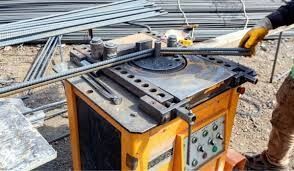
Rebar bending machines are essential equipment in construction and civil engineering. They bend reinforcement bars to precise angles required for structural stability. These machines speed up operations, reduce manual labor, and ensure consistency in bending quality. With growing urban infrastructure and large-scale building projects, rebar bending machines play a central role in reinforcing concrete frameworks.
This guide offers an in-depth overview of how rebar bending machines work, categories available in the industry, common applications, emerging technologies, selection criteria, operational tips, industry FAQs, and a helpful checklist for practical usage.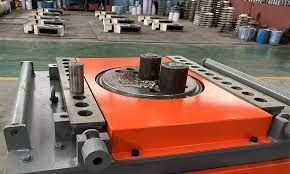
Role and Importance of Rebar Bending Machines
Efficient rebar bending is important for creating structural frameworks used in foundations, beams, columns, slabs, bridges, tunnels, and industrial structures. Machines ensure consistency, reduce labor effort, and improve jobsite safety. With large-scale construction projects increasing globally, precise rebar shaping has become a core requirement of structural engineering.
Benefits and Limitations
Benefits
-
Improved accuracy in bends and angles
-
Higher productivity compared to manual labor
-
Reduced safety risks
-
Consistent output quality
-
Applicable for a range of bar diameters
-
Useful for onsite and offsite fabrication
Limitations
-
Requires trained operators
-
Larger models need space and stable flooring
-
Electrical or hydraulic systems need periodic maintenance
-
Not all machines support heavy-diameter industrial bars
-
Initial installation effort for automated systems
Types of Rebar Bending Machines
Rebar bending solutions come in multiple configurations depending on project scale, automation level, and diameter requirements.
Manual Rebar Bending Machines
Simple lever-based tools used for small construction tasks. Suitable for low-volume bending.
Semi-Automatic Rebar Benders
Motorized platforms that combine manual input with machine power. They offer balance between productivity and cost.
Automatic CNC Rebar Bending Machines
Computer-controlled systems used in large factories and infrastructure projects. Deliver precise bends using programmed angles and sequences.
Hydraulic Rebar Benders
Use hydraulic pressure to bend heavy-diameter bars. Known for high force, reliability, and stable performance.
Rebar Cutting and Bending Combination Machines
Integrated units that allow cutting and bending in one station—suitable for medium to large projects.
Portable Rebar Bending Tools
Lightweight, mobile tools ideal for remote or small work sites.
Key Features to Look For
Machine Bending Capacity
Check the maximum supported diameter, commonly ranging from 6 mm to 40 mm, and in some industrial cases up to 55 mm.
Power System
Electric, diesel, and hydraulic options are available based on mobility and force requirements.
Angle Adjustment Control
Advanced systems allow programmable angles between 0° and 180°.
Durability of Components
A robust bending plate, disc, and roller system ensures long machine life.
Automation Level
CNC controllers improve precision and reduce manual involvement.
Safety Enhancements
Emergency stop buttons, guards, and stable machine design help prevent injuries.
Portability Options
Wheels or compact frames support onsite movement.
Applications Across Industries
Rebar bending machines support multiple sectors:
Construction and Real Estate
Used for shaping reinforcement in residential, commercial, and industrial projects.
Infrastructure Development
Essential for bridges, flyovers, highways, metro structures, tunnels, and dams.
Precast and Prefabrication Units
Factories rely heavily on automation to deliver large volumes of identical bend shapes.
Industrial Projects
Used in power plants, manufacturing units, chemical plants, and storage structures.
Trends Shaping Modern Rebar Bending Technology
Shift Toward Automation
Automated bending lines with CNC controllers are becoming standard in high-output environments.
Integration with BIM and Digital Tools
Advanced systems can import bending schedules directly from digital design files.
High-Efficiency Hydraulic Systems
Greater focus on energy-efficient pumps and sustainable operations.
Improved Safety Protocols
Machines now integrate enhanced guarding and smart stop-mechanisms.
Modular Machines for Prefab Construction
Modular bending stations support the growing prefabrication industry.
Comparison Table: Common Rebar Bending Machine Types
| Machine Type | Automation Level | Suitable For | Typical Bar Capacity | Key Advantage |
|---|---|---|---|---|
| Manual Bender | None | Small sites | Up to 12 mm | Low maintenance |
| Semi-Automatic | Medium | Residential & commercial | Up to 28 mm | Good balance of speed & control |
| Hydraulic Bender | Medium–High | Industrial & heavy structures | Up to 40–55 mm | Handles heavy bars |
| CNC Automatic | High | Large projects & factories | Up to 40 mm | Highest accuracy & speed |
| Portable Bender | Low–Medium | Remote sites | Up to 20 mm | Easy mobility |
How to Choose the Right Rebar Bending Machine
Define Project Scale
Large infrastructure projects require CNC or hydraulic models, whereas small sites may prefer semi-automatic or portable units.
Check Rebar Size Range
Confirm the machine supports the diameter and grade of bars used in your project.
Assess Power Requirements
Electric units suit indoor or controlled environments; hydraulic versions are better for high-force applications.
Evaluate Automation Needs
Automation improves efficiency but requires trained operators and programming familiarity.
Review Safety Features
Look for protective covers, stable platforms, and emergency cutoff systems.
Consider Mobility
Choose stationary or portable models depending on construction site layout.
Check After-Sales Support Availability
Reliable service ensures consistent machine uptime.
Usage Tips for Better Performance
Maintain Regular Inspection
Check rollers, plates, and gears for wear.
Keep Machine Lubricated
Smooth operation depends on proper lubrication of mechanical parts.
Ensure Proper Operator Training
Accurate bending depends on understanding angles, controls, and safety protocols.
Use Correct Bar Diameters
Avoid using oversized bars beyond machine limits.
Maintain Clear Workspace
Keep the area free from debris for safe machine operation.
Follow Manufacturer Guidelines
Always refer to the official manual for machine-specific instructions.
Practical Checklist for Operators
-
Check bending capacity before use
-
Inspect the machine for cracks or wear
-
Ensure lubrication is adequate
-
Confirm that emergency stop works
-
Keep rebar surface clean before bending
-
Follow recommended bending speeds
-
Store bars and bent shapes safely
-
Maintain a safe distance from moving parts
FAQs About Rebar Bending Machines
What materials can rebar bending machines handle?
They primarily handle steel reinforcement bars used in concrete structures.
Can one machine support multiple bar diameters?
Yes. Most machines support a range of diameters, depending on their capacity.
Do CNC rebar benders require skilled operators?
Basic training is required to program angles and operate digital interfaces.
Are portable rebar benders strong enough for construction sites?
Portable models work well for light-to-medium projects.
How often should maintenance be performed?
Light inspection can be daily; full maintenance depends on usage intensity.
Conclusion
Rebar bending machines play a critical role in modern construction and infrastructure development. Their ability to deliver accurate bends at high speed makes them indispensable for structural reinforcement. With automation, improved safety, and better control features becoming mainstream, these machines continue to evolve to meet demanding industry requirements. Understanding machine types, features, selection criteria, and safety practices ensures better project outcomes and smoother workflows.