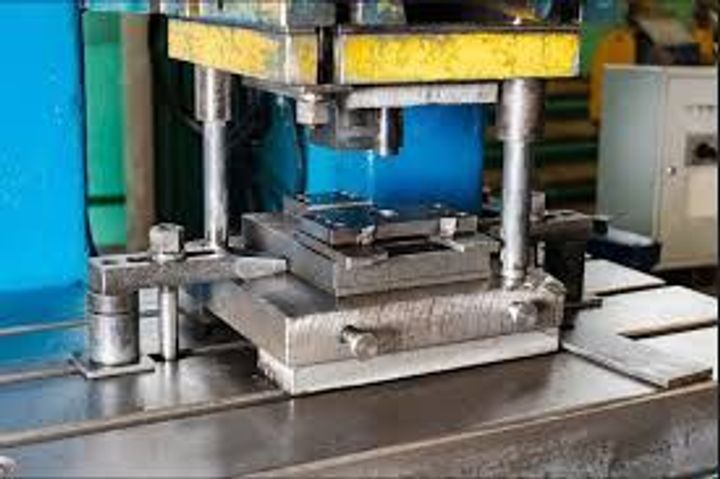
Discover Hydraulic Press Machines: Types, Uses, and Modern Trends
Hydraulic press machines are tools using fluid power to create compressive force. By using Pascal’s law, a small force applied on a small area is transmitted via fluid to a larger area, resulting in greater force. These machines are widely used where shaping, compressing, or forming of materials is needed.
A hydraulic press machine operates by transmitting pressure through a fluid within a confined system to exert a large force. These machines are central to material forming processes—pressing, forging, molding—and are preferred where large, steady force is needed.
Importance
The significance of hydraulic presses includes:
-
Enabling precision in shaping materials, which helps maintain quality standards.
-
Handling heavy workloads with less mechanical wear compared to some alternatives.
-
Improving safety and ergonomics by reducing manual force needed.
-
Supporting industries like automotive, construction, aerospace, plastics, and electronics.
These presses affect manufacturers, designers, safety engineers, and regulatory authorities because of their impact on product quality, worker safety, and industrial efficiency.
Recent Updates
Recent developments over the past 12–18 months:
-
Rollout of sensor-based systems to monitor parameters like pressure, temperature, fluid contamination. This helps prevent failures.
-
More machines introduced with variable-speed hydraulic pumps for efficiency.
-
Emphasis on hybrid systems combining hydraulics with electric actuation for better control, lower energy waste.
-
Advances in control software interfaces for user training, diagnostics, and monitoring trends in usage.
Laws or Policies
The regulation of hydraulic presses includes:
-
Occupational safety laws enforcing operator training, machine guards, emergency cutoffs.
-
Standards for pressure vessels and fluid systems to prevent leaks or bursts.
-
Waste disposal and fluid handling regulations—particularly for hydraulic oils that may be toxic.
-
Efficiency and emissions regulations in some jurisdictions, requiring low noise, low leak designs.
Government incentive programs (in some countries) support upgrading old equipment to safer, cleaner, and more efficient models.
Tools and Resources
-
Load / tonnage recommendation calculators for matching press size to tasks.
-
Fluid selection charts (viscosity vs temperature) for choosing correct hydraulic oil.
-
Safety checklist templates covering guards, emergency stops, operator PPE.
-
Maintenance scheduling apps or logs.
-
Industry associations’ resources: engineering societies offering guidelines.
-
Technical publications, case studies on press performance and innovations.
FAQs
How do I choose the right type of hydraulic press?
Consider: the force requirement; size and shape of materials; desired precision; work area constraints; production volume; safety features.
What kinds of hydraulic fluids are used and how are they chosen?
Fluids are chosen based on viscosity, operating temperature range, compatibility with seals, oxidation stability. Manufacturers’ specs must be followed.
Do hydraulic presses consume a lot of energy?
They can, especially if pumps run constantly at high pressure. But modern designs with energy-saving systems, intelligent controls, and variable pumps can substantially reduce consumption.
What risks are associated with hydraulic press usage?
High pressure fluid leaks, crushing or pinching injuries, equipment failure if maintenance is neglected. Proper safety measures much reduce these risks.
How often should maintenance be done?
Key checks (fluid levels, leaks, seals) may be done daily or weekly; more thorough servicing (change fluid, inspect major parts) annually or per manufacturer recommendation.
Conclusion
Understanding hydraulic press machines—from their operating principles to their types, uses, safety, and evolving features—is valuable for many fields. As technology advances, industries can benefit by adopting newer designs and integrating monitoring systems. Proper regulation and maintenance make them safer, more efficient, and lasting assets in manufacturing.