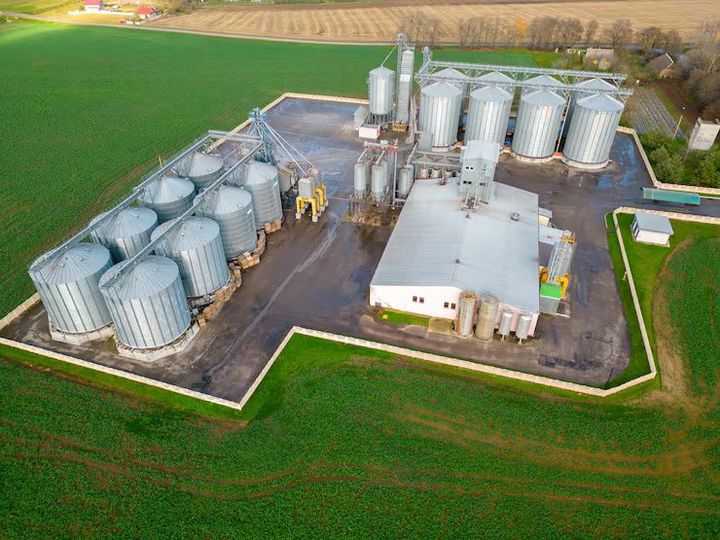
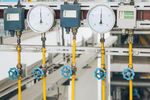
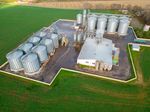
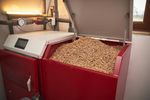
The concept of the anaerobic digester system emerged as a method for managing organic waste while generating energy. Agricultural residues, food waste, wastewater sludge, and animal manure can all serve as feedstock. As environmental concerns and energy demand increased, waste to energy systems gained attention for their dual role in waste reduction and renewable energy production.
Modern biogas plant design integrates biological science, mechanical engineering, and environmental compliance technology. Anaerobic digesters are now key components of sustainable energy infrastructure.
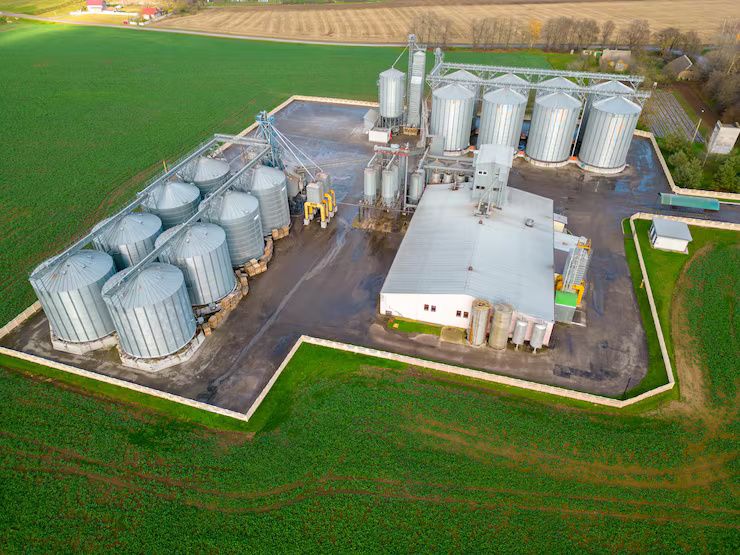
How Anaerobic Digesters Work
Anaerobic digestion occurs in sealed tanks where microorganisms decompose organic matter without oxygen. The process typically unfolds in stages:
-
Hydrolysis: Complex organic compounds break into simpler molecules
-
Acidogenesis: Organic acids are formed
-
Acetogenesis: Acids convert into acetic acid, hydrogen, and carbon dioxide
-
Methanogenesis: Methane-producing bacteria generate biogas
The anaerobic digester system captures the produced methane for energy use.
Common digester types include:
-
Continuous Stirred Tank Reactor (CSTR): Frequently used in agricultural waste treatment
-
Plug Flow Digester: Suitable for high-solid manure feedstock
-
Covered Lagoon System: Used in warm climates for liquid waste
-
Dry Digestion System: Designed for solid organic waste
Below is a simplified overview of digester types and applications:
| Digester Type | Typical Feedstock | Key Feature |
|---|
| CSTR | Mixed organic waste | Continuous mixing |
| Plug Flow | Dairy manure | High solids handling |
| Lagoon | Liquid waste | Large volume capacity |
| Dry Digestion | Food waste | Solid material processing |
Feedstock management plays a critical role in biogas production technology performance.
Feedstock Management and Operational Considerations
Feedstock refers to the organic material placed into the digester. Proper management ensures efficient methane recovery systems.
Common feedstock sources include:
-
Livestock manure
-
Crop residues
-
Food processing waste
-
Municipal organic waste
-
Wastewater sludge
Important factors in feedstock management include:
-
Moisture content
-
Carbon-to-nitrogen ratio
-
Temperature control
-
pH balance
-
Contaminant removal
Maintaining stable conditions supports consistent renewable natural gas production.
Biogas plant design often includes pre-treatment systems to remove debris and homogenize feedstock. Temperature control systems maintain mesophilic or thermophilic operating conditions.
Proper monitoring reduces the risk of process imbalance and improves gas yield efficiency.
Why Anaerobic Digesters Matter Today
Anaerobic digesters address multiple environmental and energy challenges.
They matter because they:
-
Reduce landfill waste
-
Capture methane emissions
-
Produce renewable energy
-
Support organic waste management
-
Generate nutrient-rich fertilizer byproducts
Industries that benefit include:
Methane recovery systems help reduce greenhouse gas emissions. Instead of allowing methane to escape into the atmosphere, anaerobic digesters capture and convert it into usable energy.
Renewable natural gas production supports energy diversification strategies in many countries.
Waste to energy systems also contribute to circular economy models by transforming waste into valuable resources.
Recent Updates and Industry Trends in 2025
In 2025, anaerobic digestion continues evolving within sustainable energy infrastructure development.
In January 2025, reports highlighted increased integration of anaerobic digester systems into municipal waste management facilities. Cities are expanding organic waste diversion programs.
In March 2025, advancements in biogas upgrading technology improved renewable natural gas production efficiency. Enhanced gas purification systems remove impurities more effectively.
Digital monitoring tools gained attention in early 2025. Real-time sensors now track temperature, gas composition, and feedstock performance.
Agricultural waste treatment projects have also expanded, supported by renewable energy initiatives in several regions.
Sustainability policies in 2025 emphasize reducing methane emissions from livestock operations. Anaerobic digesters play a role in achieving emission reduction targets.
These trends indicate continued investment in biogas production technology.
Laws and Environmental Policies
Anaerobic digesters operate within environmental and renewable energy regulatory frameworks.
In the United States, renewable energy incentives and environmental protection regulations influence waste to energy systems. Federal and state programs support methane capture initiatives.
In the European Union, renewable energy directives promote biogas development as part of climate action strategies.
In India, government initiatives under renewable energy policies encourage biogas plant design for rural and agricultural applications.
Environmental compliance technology ensures adherence to:
-
Emission control standards
-
Waste management regulations
-
Water quality protection laws
-
Renewable energy certification requirements
Permits are typically required before construction and operation of large-scale anaerobic digester systems.
Compliance ensures safe integration into local environmental frameworks.
Tools and Resources for Anaerobic Digestion
Professionals rely on various tools to support feedstock management and system design.
Helpful resources include:
-
Biogas yield calculators
-
Carbon-to-nitrogen ratio assessment tools
-
Renewable natural gas production modeling software
-
Environmental impact assessment templates
-
Methane emission tracking platforms
Technical resources may include:
-
Biogas plant design manuals
-
Agricultural waste treatment guidelines
-
Gas composition analysis tools
-
Digester monitoring dashboards
-
Sustainability reporting frameworks
Educational programs in environmental engineering and renewable energy provide deeper insight into waste to energy systems.
Using structured resources improves system performance and regulatory compliance.
Frequently Asked Questions
What is an anaerobic digester?
An anaerobic digester is a sealed system that breaks down organic waste without oxygen to produce biogas and digestate.
What types of waste can be used as feedstock?
Animal manure, food waste, crop residues, and wastewater sludge are commonly used materials.
What is biogas used for?
Biogas can generate electricity, heat, or be upgraded into renewable natural gas for pipeline injection.
Are anaerobic digesters environmentally regulated?
Yes. They must comply with waste management, emission, and environmental protection laws.
What happens to the leftover material after digestion?
The remaining digestate can be processed into fertilizer or soil amendment products.
Conclusion
Anaerobic digesters are vital components of modern waste to energy systems. Through biological processes, they transform organic waste into renewable natural gas production and nutrient-rich byproducts.
In 2025, advancements in gas purification, digital monitoring, and feedstock optimization continue strengthening biogas production technology. Environmental policies and methane reduction initiatives encourage broader adoption.
Understanding digester design principles, feedstock management strategies, regulatory frameworks, and technical tools provides valuable insight into sustainable energy infrastructure. As global interest in renewable energy and organic waste management grows, anaerobic digester systems remain central to achieving environmental and energy efficiency goals.