Guide to Advancements in Dewatering Equipment: Automation, Energy Efficiency, and Sustainable Solutions
Dewatering is a critical process in industries such as construction, mining, tunneling, and wastewater treatment. It ensures safe working conditions, prevents structural damage, and enhances productivity by removing excess groundwater. Over the years, traditional dewatering methods have evolved, giving rise to advanced equipment that incorporates automation, energy efficiency, and sustainable technologies. These innovations are not only improving operational reliability but also helping industries reduce costs and environmental impact.
Importance of Advancements in Dewatering
In the past, dewatering relied heavily on manual operation, diesel-powered pumps, and energy-intensive systems. However, with stricter environmental regulations, rising fuel prices, and the need for operational efficiency, industries have embraced smarter solutions. Modern dewatering equipment now offers:
-
Automated monitoring systems
-
Remote control through IoT integration
-
Energy-efficient motors and variable frequency drives
-
Reduced carbon footprint with eco-friendly designs
Automation in Dewatering Equipment
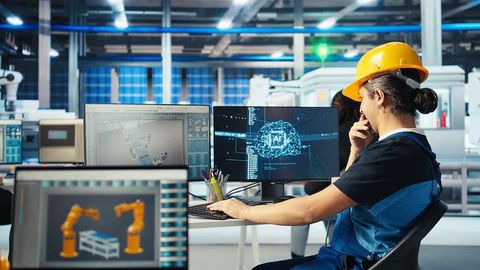
Automation has become a cornerstone of modern dewatering systems. Intelligent sensors and industrial IoT (IIoT) integration enable operators to:
-
Monitor water levels in real time
-
Automate pump operation to avoid flooding or dry runs
-
Receive predictive maintenance alerts
-
Optimize pumping schedules for reduced energy usage
This shift to automation minimizes human error, enhances safety, and lowers maintenance costs, making dewatering systems more reliable and efficient.
Energy Efficiency in Dewatering Systems
Energy costs represent a major share of operational expenses in dewatering. To address this, manufacturers have introduced equipment with:
-
High-efficiency motors that reduce electricity consumption
-
Variable frequency drives (VFDs) that adjust pumping speed to actual demand
-
Solar-powered dewatering pumps for remote or off-grid locations
-
Lightweight designs that improve fuel efficiency in portable equipment
These innovations allow construction and mining companies to save significantly on energy bills while contributing to sustainable practices.
Sustainability in Dewatering Operations
Sustainability is no longer optional—it is a regulatory and market-driven necessity. Dewatering equipment manufacturers are now focusing on:
-
Using eco-friendly materials for equipment design
-
Closed-loop water recycling systems to minimize water wastage
-
Noise-reduction technology for urban construction projects
-
Low-emission pumps that comply with global environmental standards
By integrating sustainability into operations, companies can achieve compliance, strengthen their ESG (Environmental, Social, Governance) profile, and enhance their brand reputation.
Applications Across Industries
The impact of advanced dewatering equipment can be seen across multiple industries:
| Industry | Application | Benefit |
|---|---|---|
| Construction | Foundation excavation, tunneling, dewatering sites | Prevents flooding, ensures structural safety |
| Mining | Groundwater removal from pits and shafts | Improves worker safety, boosts ore recovery |
| Oil & Gas | Dewatering drilling sites | Enhances productivity, minimizes downtime |
| Wastewater Treatment | Sludge dewatering and recycling | Reduces disposal costs, supports sustainability |
Key Benefits of Modern Dewatering Equipment
-
Improved efficiency with automation and predictive analytics
-
Lower operating costs through energy-efficient technologies
-
Reduced environmental impact with sustainable designs
-
Higher safety standards due to real-time monitoring
-
Scalability for small projects and large-scale industrial operations
Future of Dewatering Equipment
Looking ahead, the future of dewatering will be shaped by:
-
AI-driven decision-making for pump optimization
-
Integration with digital twin models for predictive planning
-
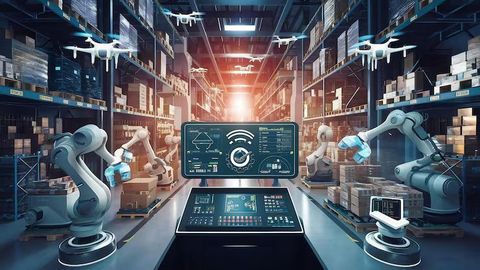
Fully autonomous dewatering systems for large-scale mining and construction
-
Expansion of renewable-powered equipment to achieve net-zero goals
These advancements will ensure that dewatering remains not just an operational necessity but also a driver of efficiency, compliance, and sustainability.
Conclusion
The evolution of dewatering equipment reflects the broader shift in industrial operations toward smarter, greener, and more cost-effective solutions. With automation reducing manual intervention, energy-efficient designs cutting costs, and sustainability driving compliance, businesses across construction, mining, and wastewater treatment are poised to benefit from these innovations. Companies that adopt these modern systems will gain a competitive edge while contributing to a more sustainable future.