Guide to Dewatering Equipment: Types, Applications, and Industry Uses
Water management plays a crucial role in industries such as construction, mining, and wastewater treatment. Dewatering equipment helps remove groundwater, surface water, or sludge to ensure safety, efficiency, and productivity. With modern advancements, industrial dewatering systems are becoming more energy-efficient, reliable, and adaptable for diverse applications.
This guide explores types of dewatering equipment, their industry applications, market uses, and future trends that are reshaping the sector.
Importance of Dewatering Equipment
Efficient water removal is critical for:
-
Preventing flooding in construction sites
-
Ensuring safe mining operations
-
Treating wastewater effectively
-
Reducing downtime in manufacturing processes
-
Enhancing productivity in agriculture and infrastructure projects
Without proper dewatering solutions, industries face operational delays, equipment damage, and higher safety risks.
Types of Dewatering Equipment
Different industries require different dewatering technologies. Below are the most commonly used types:
-
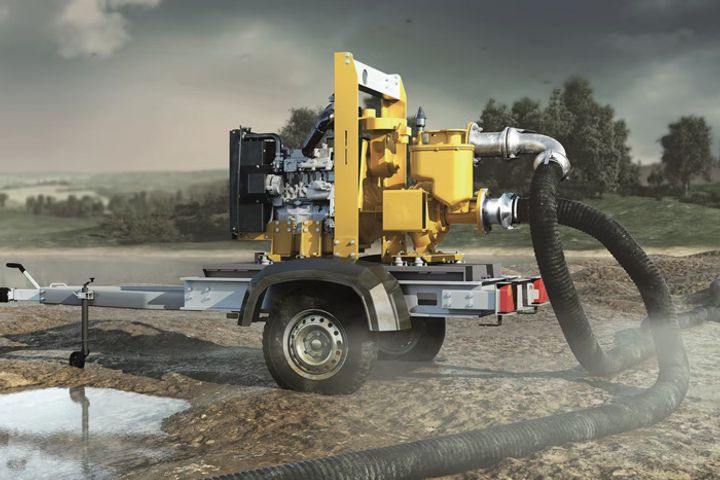
Centrifugal Pumps – Widely used for construction dewatering due to their reliability in removing groundwater.
-
Submersible Pumps – Suitable for deep excavation sites and mining operations.
-
Vacuum-Assisted Pumps – Efficient for continuous dewatering in large construction projects.
-
Sludge Dewatering Systems – Used in wastewater treatment plants to handle thick sludge.
-
Hydraulic Presses and Belt Filters – Common in industrial and municipal wastewater management.
-
Wellpoint Systems – Ideal for lowering groundwater levels around foundations and excavations.
-
Geotextile Dewatering Bags – Cost-effective solution for sediment and sludge removal.
Applications of Dewatering Equipment
Dewatering systems are used across multiple sectors:
-
Construction Dewatering: Prevents water accumulation during foundation and excavation work.
-
Mining Dewatering Equipment: Essential for underground and open-pit mines to maintain dry conditions.
-
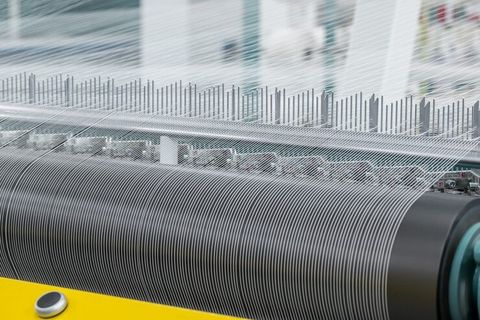
Industrial Dewatering Systems: Helps in processing industries like food, chemicals, and textiles.
-
Sludge Dewatering: Reduces water content in wastewater sludge for disposal or recycling.
-
Agriculture: Used for irrigation and drainage management in farmlands.
Checklist for Choosing Dewatering Equipment
When selecting the right dewatering solution, consider:
-
Site conditions (soil type, depth, and water table)
-
Required pumping capacity and flow rate
-
Power availability (diesel, electric, or solar)
-
Maintenance and spare part availability
-
Environmental compliance standards
-
Cost-effectiveness for long-term use
Market Trends and Future Innovations
The global dewatering equipment market is growing steadily due to demand in construction, mining, and municipal wastewater projects. Key trends shaping the future include:
-
Energy-Efficient Pumps: Reduced fuel consumption and carbon emissions.
-
Automated Systems: IoT-based monitoring for predictive maintenance.
-
Sludge-to-Energy Solutions: Converting sludge into usable energy sources.
-
Portable Dewatering Units: Flexible systems for remote and emergency applications.
-
Smart Sensors: Real-time monitoring of groundwater levels and equipment performance.
Comparison Table of Dewatering Equipment
| Type of Equipment | Best For | Industry Use Case |
|---|---|---|
| Centrifugal Pumps | Groundwater removal | Construction projects |
| Submersible Pumps | Deep water extraction | Mining and excavation |
| Vacuum Pumps | Continuous large projects | Infrastructure and tunneling |
| Sludge Systems | Wastewater treatment | Municipal & industrial plants |
| Wellpoint Systems | Lowering water table | Building foundations |
FAQs on Dewatering Equipment
Q1. What is the most common dewatering method in construction?
Centrifugal pumps and wellpoint systems are widely used due to their effectiveness in managing groundwater.
Q2. How does sludge dewatering benefit industries?
It reduces disposal costs, improves environmental compliance, and enables sludge reuse in energy or compost production.
Q3. Are dewatering pumps environmentally safe?
Yes, modern pumps are designed with energy-efficient engines and comply with environmental safety regulations.
Q4. What industries rely most on dewatering equipment?
Construction, mining, wastewater treatment, manufacturing, and agriculture.
Q5. What future innovations can we expect in dewatering systems?
IoT-enabled monitoring, AI-driven predictive maintenance, and eco-friendly sludge processing solutions.
Conclusion
Dewatering equipment is indispensable across industries, ensuring operational efficiency, safety, and sustainability. From construction dewatering to sludge and mining dewatering equipment, the sector is rapidly evolving with automation, smart monitoring, and eco-friendly technologies. Companies investing in modern industrial dewatering systems will gain long-term benefits in cost reduction, safety, and environmental compliance.