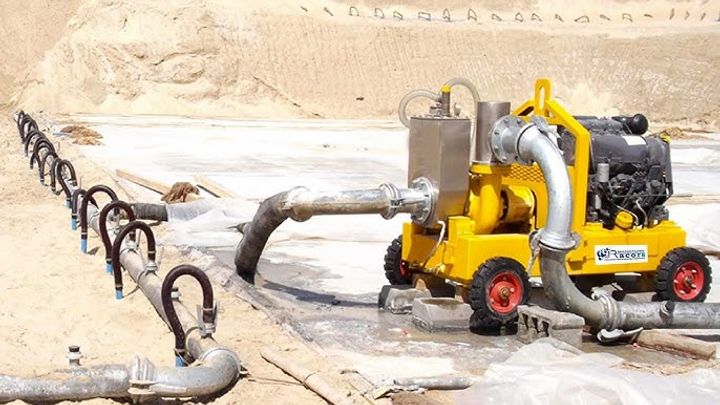
Guide to Dewatering Solutions in Mining and Construction
Mining and construction projects often face one common challenge—managing excess water. Groundwater infiltration, rain accumulation, or water from excavation sites can disrupt timelines, weaken structures, and increase costs. Dewatering solutions play a critical role in maintaining site safety, enhancing productivity, and reducing operational risks. By deploying advanced dewatering systems, companies can achieve better efficiency while keeping costs under control.
Why Dewatering Matters in Mining and Construction
-
Safety: Prevents waterlogging that can destabilize foundations and create hazards.
-
Productivity: Keeps excavation and mining areas dry, ensuring uninterrupted operations.
-
Cost Efficiency: Minimizes project delays and equipment damage caused by excess water.
-
Compliance: Helps businesses meet environmental and safety regulations for water disposal.
Common Dewatering Methods
-
Wellpoint Systems – A series of small wells connected to a pump, ideal for shallow excavations.
-
Deep Well Systems – Used for deeper construction projects, lowering the groundwater table significantly.
-
Sump Pumping – Simple and cost-effective for smaller projects where water collects in pits.
-
Eductor Systems – Best for low-permeability soils, utilizing high-pressure water to draw out groundwater.
-
Centrifugal and Submersible Pumps – Widely used in both construction and mining for large water volumes.
Dewatering Equipment in Mining
Mining sites frequently encounter underground water during operations. Modern mining dewatering equipment such as high-capacity submersible pumps, slurry pumps, and vacuum systems allow miners to manage water effectively. Efficient dewatering helps in:
-
Preventing mine flooding.
-
Reducing downtime caused by water intrusion.
-
Extending the lifespan of mining machinery.
Dewatering Solutions in Construction
Construction projects, particularly in urban areas with high groundwater tables, rely on tailored construction dewatering systems. Applications include:
-
Keeping excavation sites dry for foundation laying.
-
Supporting tunneling and underground projects.
-
Protecting building stability by controlling water pressure around foundations.
Efficiency and Cost Savings with Modern Dewatering Systems
-
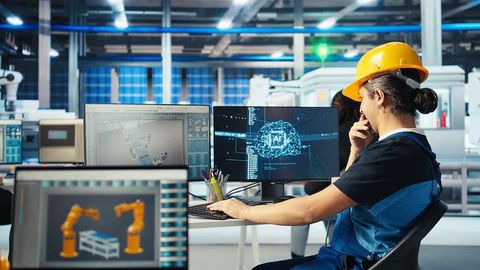
Automation & Monitoring: Smart pumps with IoT sensors optimize energy use and reduce human oversight.
-
Durability: Advanced materials extend pump life and reduce maintenance costs.
-
Energy Savings: Variable speed drives ensure pumps operate efficiently, lowering electricity consumption.
-
Reduced Delays: By keeping sites operational, companies avoid costly project overruns.
Future Innovations in Dewatering
-
AI-powered predictive maintenance for pumps.
-
Eco-friendly dewatering systems minimizing environmental impact.
-
Integration with digital twins for real-time project water modeling.
-
Hybrid renewable energy-powered pumps for sustainable operations.
Practical Checklist for Choosing Dewatering Solutions
-
Assess groundwater levels and soil type.
-
Define project depth and duration.
-
Match equipment capacity with water inflow rate.
-
Ensure compliance with environmental standards.
-
Compare rental vs purchase based on long-term needs.
Conclusion
Dewatering is more than just removing water—it’s about creating safer, more efficient, and cost-effective mining and construction environments. With advancements in equipment and digital technologies, businesses can now achieve significant cost savings while ensuring environmental responsibility. As the demand for large-scale infrastructure and mineral extraction grows, innovative dewatering solutions will continue to shape project success worldwide.