Guide to Period Panties – Sustainable, Comfortable, and Leak-Proof Protection
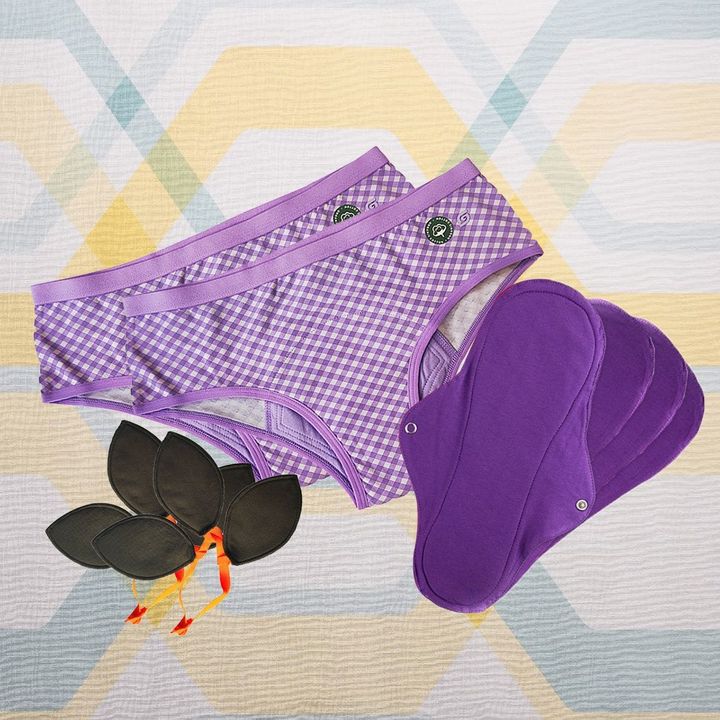
Menstrual hygiene has evolved beyond traditional pads and tampons. Period panties represent a modern innovation designed to make menstruation more comfortable, sustainable, and hassle-free. These specially engineered undergarments are made with absorbent layers that trap menstrual flow while keeping the outer fabric dry and odor-free.
Unlike disposable sanitary products, period panties are reusable, eco-friendly, and suitable for both light and heavy flow days. They combine technology and comfort, making them a reliable option for women seeking sustainable menstrual solutions.
How Period Panties Work
Period panties function through a multi-layer absorbent system that wicks moisture away, locks in fluid, and prevents leaks.
Typical layers include:
-
Moisture-wicking top layer – Keeps the skin dry.
-
Absorbent core – Holds menstrual flow equivalent to 2–4 tampons (depending on style).
-
Leak-resistant barrier – Prevents staining and leakage.
-
Breathable outer fabric – Provides comfort and prevents odor buildup.
This combination makes them ideal for everyday wear during menstruation or even as backup protection with other products.
Types of Period Panties
Period panties come in multiple styles to suit individual preferences and flow levels.
| Type | Flow Level | Description |
|---|---|---|
| Light Flow Panties | 1–2 tampons | Ideal for spotting or early/ending days. |
| Moderate Flow Panties | 2–3 tampons | For regular day wear with comfort. |
| Heavy Flow Panties | 4–5 tampons | For overnight use or heavy bleeding days. |
| Postpartum Panties | Heavy | Designed for recovery and comfort. |
| Sport Period Panties | Moderate | For athletic activities and movement. |
These designs ensure flexibility and adaptability for different menstrual needs.
Benefits of Using Period Panties
Period panties offer several advantages over traditional menstrual products:
-
Leak Protection: Multi-layer absorbent technology ensures no staining or seepage.
-
Comfort and Breathability: Made from soft, stretchable materials like cotton and bamboo fiber.
-
Cost-Effective: Reusable for up to 2–3 years with proper care.
-
Eco-Friendly: Reduces waste generated by disposable sanitary products.
-
Odor Control: Antimicrobial fabrics help prevent bacterial growth.
-
Discreet Design: Look and feel like regular underwear, eliminating embarrassment or discomfort.
Women can wear them confidently throughout the day — at work, while traveling, or sleeping.
How to Use and Care for Period Panties
Using period panties is simple and similar to wearing regular underwear. However, maintenance is crucial to ensure longevity and hygiene.
Usage Tips:
-
Choose absorbency level based on flow intensity.
-
Can be used alone or with pads/tampons for extra protection.
-
Change after 8–12 hours (or earlier for heavy flow).
Washing & Care Instructions:
-
Rinse under cold water immediately after use.
-
Hand or machine wash in mild detergent (no bleach or fabric softener).
-
Air dry — avoid dryers or ironing.
Proper care ensures they remain absorbent and odor-free for years.
Choosing the Right Period Panty
When selecting the ideal pair, consider factors such as absorbency, fit, and lifestyle.
Checklist:
-
Flow level: Light, medium, or heavy.
-
Fabric: Prefer breathable materials like cotton or bamboo.
-
Fit: Look for seamless or high-waist options for better comfort.
-
Usage: Some are designed for sports, swimming, or postpartum recovery.
-
Brand reliability: Opt for certified, dermatologically tested products.
Many brands now offer size-inclusive ranges, ensuring comfort for all body types.
Popular Materials Used in Period Panties
-
Organic Cotton: Soft, breathable, and ideal for sensitive skin.
-
Bamboo Fiber: Naturally antibacterial and moisture-wicking.
-
Spandex Blend: Provides stretch and shape retention.
-
Polyester Microfiber: Enhances absorbency and quick-drying features.
These materials ensure comfort while maintaining protection against leaks and odor.
Sustainability and Environmental Impact
Traditional menstrual products generate over 200,000 tons of waste annually worldwide.
Switching to reusable options like period panties helps reduce environmental impact.
Eco-friendly advantages:
-
Less plastic waste in landfills.
-
Lower carbon footprint from reduced manufacturing.
-
Sustainable packaging options used by leading brands.
By choosing reusable menstrual wear, women contribute positively to environmental conservation efforts.
Health and Hygiene Considerations
Period panties are safe for most users. However, maintaining hygiene is essential:
-
Always wash before first use.
-
Avoid prolonged wear beyond 12 hours.
-
Store in a dry, ventilated space.
-
Do not use if skin irritation occurs.
They are particularly beneficial for people with sensitive skin or allergies to synthetic pads.
Trends in Period Panty Innovation
The market for menstrual wearables is rapidly evolving, with technological advancements enhancing performance and style.
Emerging trends include:
-
Smart period panties with moisture indicators.
-
Hybrid designs combining pads and absorbent fabric.
-
Antibacterial silver-ion fabric technology.
-
Fashion-forward styles like lace, seamless, and activewear versions.
As awareness of sustainable menstruation grows, period panties are expected to dominate the reusable hygiene segment.
Affordability and Availability
While initial costs can be higher (typically ₹600–₹2,500 or $8–$30 per piece), period panties offer significant long-term savings.
Most pairs last over 50 washes, equating to more than two years of use — making them both cost-effective and eco-conscious.
Retailers now offer variety packs for light to heavy flow days, and many local brands in India and abroad focus on affordable menstrual wear accessible to all income levels.
Myths vs. Facts About Period Panties
| Myth | Fact |
|---|---|
| Period panties are unhygienic | They are safe and washable with proper care. |
| They can’t handle heavy flow | Heavy-duty designs absorb up to 5 tampons’ worth. |
| They feel bulky | Modern designs are lightweight and seamless. |
| They cause odor | Antimicrobial layers control odor effectively. |
| They’re expensive | Cost-effective over long-term use. |
Debunking these myths helps normalize sustainable menstrual hygiene choices.
Future of Period Panties
The global period underwear market is projected to grow by over 20% annually as women adopt eco-friendly and convenient menstrual solutions.
Innovations will likely focus on smart fabrics, AI-based moisture detection, and biodegradable textiles — making menstrual management both advanced and sustainable.
Governments and NGOs are also promoting reusable menstrual products as part of women’s health and environmental initiatives.
FAQs
Q1: Can period panties replace pads or tampons completely?
Yes, for most users with light to moderate flow. For heavy flow, they can be used as backup protection.
Q2: How many pairs do I need for one cycle?
Typically 3–5 pairs depending on your flow and washing frequency.
Q3: Are they suitable for teenagers?
Yes. They’re comfortable, discreet, and ideal for beginners or students.
Q4: Can I wear period panties while swimming?
Regular ones are not waterproof; however, specialized swim-safe versions are available.
Q5: How long do period panties last?
With proper care, they last 2–3 years or approximately 50–60 washes.
Conclusion
Period panties have revolutionized menstrual care by combining comfort, sustainability, and innovation. They offer a simple, leak-proof, and eco-friendly alternative to disposable products — empowering women to experience confidence and freedom during their cycle.
As technology advances, period panties will continue to redefine personal care and environmental responsibility, ensuring that menstrual hygiene becomes both practical and planet-friendly.