How-to Manual for Pouch Packing Machines: Working, Benefits, and Setup Overview
In the evolving world of food and product packaging, pouch packing machines have become essential in industries such as food processing, pharmaceuticals, and consumer goods. These machines automate the process of filling and sealing products in pouches—significantly improving speed, hygiene, and shelf life. Whether you're setting up a small production unit or scaling your packaging line, understanding how pouch packing machines work and how to set them up effectively can save time and increase productivity.

Benefits of Pouch Packing Machines
-
Automation and Speed: These machines streamline the packaging process, often handling hundreds of units per hour.
-
Versatility: Suitable for liquids, powders, granules, snacks, and solids.
-
Consistency and Hygiene: Sealed pouches reduce contamination risks and improve shelf life.
-
Cost-Effective: Reduces labor and waste through precision filling.
-
Professional Finish: Offers a market-ready appearance with tight sealing and printable surfaces.
Limitations to Consider
-
High Initial Investment: Some models can be expensive, especially fully automatic variants.
-
Technical Maintenance: Requires trained staff for regular maintenance and repair.
-
Power Dependency: May not suit operations in areas with unreliable electricity.
-
Material Compatibility: Not all machines handle every pouch type (e.g., foil vs plastic).
Types of Pouch Packing Machines
| Type | Suitable For | Operation Type |
|---|---|---|
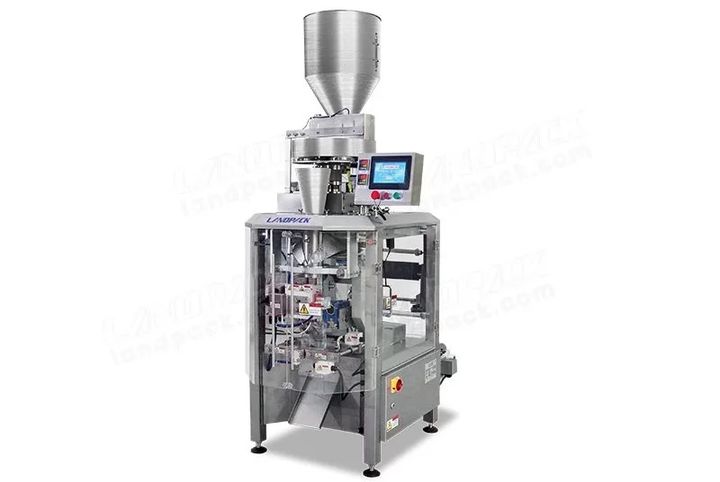
| Vertical Form Fill Seal (VFFS) | Granules, powders, snacks | Automatic |
| Horizontal Form Fill Seal (HFFS) | Liquid and semi-liquid foods | Automatic |
| Manual Pouch Filling Machines | Startups, low-volume packaging | Manual/Semi-Automatic |
| Multi-Lane Pouch Machines | High-speed industrial applications | Fully Automatic |
| Rotary Pouch Machines | Pre-made pouch filling | Semi/Full Automatic |
Latest Trends and Innovations
-
Integration with IoT and Sensors: Machines now include smart sensors for real-time data and predictive maintenance.
-
Energy-Efficient Models: Newer machines use less power and optimize heat sealing.
-
Custom Pouch Designs: Machines now support zip locks, spouts, and resealable features.
-
AI-Based Filling Accuracy: Smart systems adjust filling volumes dynamically to reduce spillage and wastage.
-
Touchscreen HMIs (Human Machine Interfaces): Easier to control and program packaging specs.
Key Features to Consider Before Buying
-
Filling Mechanism Compatibility: Liquid, paste, powder, or granule?
-
Pouch Size and Type Range: Can the machine adjust to various pouch dimensions?
-
Production Capacity: Number of pouches per hour/day.
-
Material Build: Stainless steel for hygiene; corrosion-resistant parts for longevity.
-
Sealing Type: Heat seal, ultrasonic, or vacuum sealing.
-
Footprint Size: Especially important for small or mobile operations.
-
Maintenance Access: Availability of service and spares.
Top Companies and Models to Explore
| Brand/Company | Model/Series | Specialization |
|---|---|---|
| Nichrome India | Sprint Series | Versatile food-grade VFFS machines |
| Bosch Packaging (Syntegon) | SVL, SVE Series | High-speed, fully automatic systems |
| Uflex Ltd | HFFS Machines | Custom solutions and bulk packaging |
| Mamata Machinery | Vega Series | Rotary and multi-format compatibility |
| Turpack (Turkey) | Stickpack & Sachet Machines | Liquid, powder, pharma industry focus |
How to Choose the Right Pouch Packing Machine
-
Define Your Product Type: Powder, granules, viscous liquid?
-
Estimate Output Needs: Machines range from 10 to 200+ pouches/minute.
-
Consider Pouch Style and Size: Flat, stand-up, spouted, zipper?
-
Check Infrastructure: Power supply, space, operator skill.
-
Evaluate Budget: Manual models for startups, automated for scaling.
-
Review Compliance Needs: Food-grade certification, pharma-grade hygiene, etc.
Tips for Best Use and Maintenance
-
Pre-Calibrate Regularly: To maintain weight accuracy and avoid overfilling.
-
Clean Components Daily: Especially nozzles, hoppers, and sealing areas.
-
Use Compatible Films: Film quality impacts seal strength and output.
-
Keep Spare Parts Handy: Belts, heaters, and sensors may wear out.
-
Train Your Operators: Even the best machine fails without skilled use.
FAQs: Real User Questions
Q1: Can one pouch packing machine handle multiple pouch sizes?
Yes, many modern machines have adjustable filling and sealing configurations.
Q2: What kind of film materials are compatible?
Common materials include polyethylene (PE), polypropylene (PP), laminates, and aluminum foils.
Q3: Are pouch packing machines only for food products?
No. They are widely used in pharmaceuticals, cosmetics, fertilizers, and pet foods too.
Q4: How much space does a machine require?
A typical VFFS machine needs 2–4 square meters of floor space, excluding loading and unloading zones.
Q5: What’s the average lifespan of a pouch packing machine?
With regular maintenance, 8–12 years is typical.
Checklist for Setup
-
Confirm product type and viscosity
-
Decide on pouch size and style
-
Match film roll type
-
Ensure sufficient space and power
-
Hire or train skilled operator
-
Set cleaning and maintenance schedule
-
Choose vendor with reliable after-sales service
Conclusion
Pouch packing machines have transformed packaging efficiency across industries. By understanding your product needs, evaluating machine types, and prioritizing essential features like hygiene and output speed, you can invest in a system that aligns with your operational goals. The right pouch packing machine not only improves consistency and product shelf life but also future-proofs your business for automation trends ahead.