Premium Lifts: A Guide to Modern Vertical Mobility Solutions
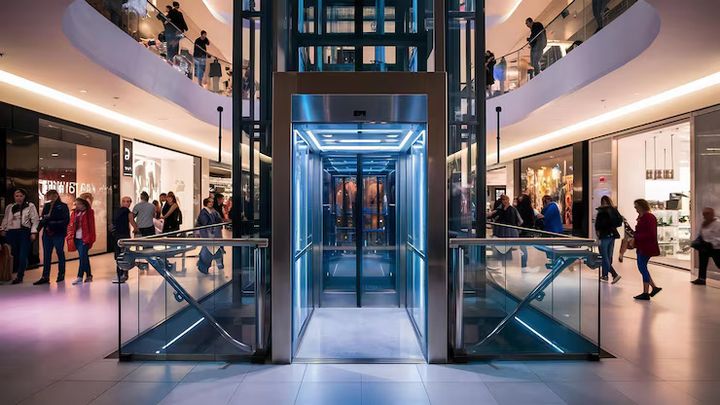
Premium lifts refer to high-end elevator systems designed for enhanced performance, safety, comfort, and aesthetics. These lifts are commonly installed in luxury residential buildings, corporate offices, commercial spaces, and public institutions where user experience and design are critical. Unlike basic elevators that prioritize function over form, premium lifts combine advanced engineering with sophisticated design elements, smart control systems, and sustainability features.As urban infrastructure becomes more vertical, the demand for smarter, more efficient vertical transportation systems has grown. Premium lifts are a response to this demand, offering tailored solutions that meet the needs of modern architecture and diverse user expectations.
Importance
- Premium lifts play a vital role in modern urban development and accessibility. Their importance is seen in several areas:
- User Experience: These lifts provide smooth, quiet rides with luxury finishes like touchscreen panels, LED lighting, and high-quality materials.
- Accessibility: They ensure barrier-free access for elderly individuals, people with disabilities, and passengers with mobility challenges.
- Energy Efficiency: Most modern premium lifts are designed to reduce electricity consumption using regenerative drives and smart standby modes.
- Safety and Compliance: Advanced features such as emergency communication systems, automatic rescue devices, and seismic sensors increase overall building safety.
- Premium lifts are not limited to commercial use. High-end residential buildings increasingly adopt them as value-added features that enhance property appeal and resale value.
Recent Updates
- The past year has seen several developments in the premium lift industry:
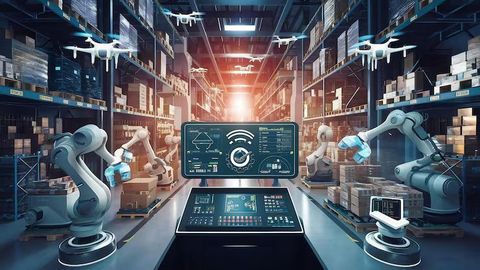
- AI Integration (2024–2025): Many manufacturers have started integrating AI to predict maintenance needs, optimize energy usage, and improve wait-time efficiency using real-time traffic analysis.
- Touchless Technology: Touchless call systems via mobile apps or voice recognition have gained popularity in response to hygiene concerns post-COVID-19.
- Sustainability Focus: Use of eco-friendly materials, solar-powered systems, and carbon-neutral manufacturing processes are gaining ground in 2025.
- Smart Connectivity: Premium lifts are now being connected to smart building systems (IoT), enabling remote diagnostics, cloud monitoring, and personalized user settings.
These trends are reshaping what users expect from lift systems, making them more than just a transport tool.
Laws or Policies
Premium lifts must comply with national and international safety, accessibility, and construction regulations. Here’s a summary based on common global and Indian standards:
| Regulation | Description |
|---|---|
| IS 14665 (India) | Specifies safety and design standards for electric lifts. |
| EN 81 (Europe) | European standard for lift safety, including accessibility and modernization. |
| ADA Compliance (USA) | Requires accessible lift designs for individuals with disabilities. |
| BIS Certification (India) | Mandatory for lift manufacturers to ensure product quality and safety. |
| Fire & Seismic Codes | Require lifts to function or safely shut down during emergencies. |
Local building codes may also mandate specific dimensions, load capacities, and emergency rescue procedures. Installations typically require approval from state or municipal elevator inspectors.
Tools and Resources
Choosing, maintaining, or understanding premium lift systems can be easier with the help of these resources:
Elevator Design Tools:
- KONE Elevator Planner
- Otis Create
- Thyssenkrupp MULTI Configurator
Mobile Apps for Control and Maintenance:
- SmartLift IoT Monitoring
- LiftEye
- Schindler myPORT App
Guidelines and Calculators:
- IS 14665 Standards Manual
- Lift Capacity and Speed Calculators
- Energy Efficiency Estimators (LEED-based tools)
Educational Websites:
- Council on Tall Buildings and Urban Habitat (CTBUH)
- National Elevator Industry Educational Program (NEIEP)
These tools aid architects, builders, and consumers in selecting appropriate lift solutions and ensuring long-term reliability.
FAQs
What makes a lift "premium"?
Premium lifts differ from standard ones through superior design, smoother operation, enhanced safety features, aesthetic interiors, and advanced control technologies such as AI and IoT integration.
Are premium lifts only for luxury buildings?
While often found in high-end residential and commercial properties, premium lifts are also used in hospitals, hotels, and public institutions where comfort, accessibility, and reliability are priorities.
How energy-efficient are premium lifts?
Many premium models use regenerative drives that feed electricity back into the grid, LED lighting, and smart sensors that reduce energy use during idle periods. They often qualify for green building certifications.
Do premium lifts require more maintenance?
Not necessarily. In fact, many come equipped with predictive maintenance tools and remote diagnostics, which can reduce downtime and extend service intervals. However, routine checks by certified professionals are still necessary.
Can existing lifts be upgraded to premium models?
Yes. Many companies offer modernization packages that upgrade old systems with new cabins, smart control panels, touchless buttons, and enhanced safety mechanisms without replacing the entire structure.
Conclusion
Premium lifts are not just a luxury—they are becoming a standard in modern, efficient, and sustainable architecture. As technology continues to evolve, these systems will only get smarter, safer, and more personalized. Whether you're a homeowner, architect, or builder, understanding the role and value of premium lifts is key to making informed decisions about vertical mobility in today's built environments.