Understanding CDN in 2025: A Complete Guide to Benefits, Features, and Top Providers
A Content Delivery Network (CDN) is a globally distributed network of servers that work together to deliver website content—such as images, videos, JavaScript, HTML, and CSS—quickly and efficiently to users based on their geographic location.
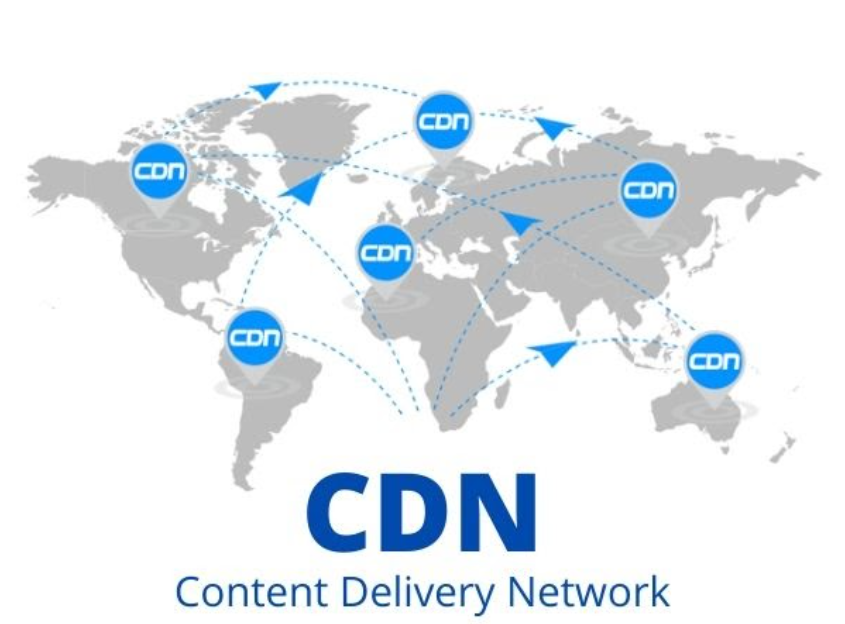
Instead of relying on a single origin server, a CDN caches copies of your website's static content at multiple edge locations (called PoPs – Points of Presence) across the globe. When a user visits your site, content is served from the nearest PoP, reducing latency and speeding up load times.
Why CDNs Matter in 2025
In 2025, user expectations for faster website performance, secure browsing, and global availability are higher than ever. CDNs play a critical role in:
-
Accelerating page load times
-
Improving mobile experiences
-
Reducing bounce rates
-
Enhancing SEO rankings
-
Lowering bandwidth costs
-
Providing security with DDoS protection and TLS/SSL
Whether you're running a blog, eCommerce store, SaaS product, or media-rich platform, a CDN has become essential for maintaining performance and reliability.
Key Benefits of Using a CDN
1. Faster Website Performance
CDNs reduce the physical distance between the user and the server, decreasing latency and loading web pages more quickly.
2. Global Content Reach
Users in India, the U.S., Europe, or Japan access content from nearby edge servers, ensuring consistent performance regardless of location.
3. Reduced Server Load
CDNs offload bandwidth and processing from your origin server, especially during traffic spikes or viral content events.
4. Scalability
Handle millions of users at once without crashing. Ideal for businesses with growing or seasonal traffic.
5. Enhanced Security
Many CDN providers offer built-in DDoS mitigation, firewall (WAF), TLS encryption, and bot protection.
6. SEO and Core Web Vitals
Fast-loading, stable websites rank higher on Google. CDNs help improve key Core Web Vitals like Largest Contentful Paint (LCP) and Time to First Byte (TTFB).
How a CDN Works (Simplified)
-
User requests your website
-
CDN checks for cached content at the closest PoP (Point of Presence)
-
If cached, content is served immediately
-
If not cached, it fetches from your origin server, caches it, and delivers
-
Content is now readily available for the next user nearby
Common Use Cases for CDNs
-
Media and streaming platforms (e.g., Netflix, YouTube)
-
eCommerce sites with international traffic
-
News websites publishing large volumes of content
-
Online gaming platforms needing low latency
-
Global SaaS apps and cloud-based tools
Top CDN Providers in 2025
1. Cloudflare
Offers free and paid CDN with DDoS protection, WAF, bot filtering, and edge computing.
2. Akamai
One of the oldest and most powerful CDN platforms, used by Fortune 500 companies for high-scale delivery.
3. Amazon CloudFront
Part of AWS, it integrates seamlessly with other AWS services and supports deep customization.
4. Fastly
Built for developers, offering real-time caching and content invalidation.
5. StackPath
Focused on performance and security for small businesses and mid-size enterprises.
6. Bunny.net
An affordable, developer-friendly CDN with global coverage and real-time stats.
7. Google Cloud CDN
Integrates with Google Cloud, offering secure and scalable delivery with low-latency edge nodes.
8. Microsoft Azure CDN
Ideal for enterprises using Azure, with seamless integration and global PoPs.
How to Choose the Right CDN for Your Business
Consider these factors:
-
Location of your audience
-
Website traffic volume
-
Budget and scalability
-
Features required (e.g., WAF, SSL, HTTP/3 support)
-
Integration with your cloud provider (AWS, GCP, Azure)
-
Real-time analytics and monitoring tools
-
Ease of setup (plug-ins for WordPress, Magento, etc.)
FAQs About Content Delivery Networks
Q1. Is a CDN necessary for small websites?
Yes, especially if you have visitors from multiple regions or run media-rich content. Even small blogs benefit from speed and uptime improvements.
Q2. Can CDNs cache dynamic content?
Some advanced CDNs like Fastly and Cloudflare can cache dynamic content or use edge computing to optimize delivery.
Q3. Does a CDN improve security?
Yes. Most CDNs offer protection against DDoS attacks, support HTTPS, and provide application-layer firewalls.
Q4. How much does a CDN cost?
Pricing varies: many CDNs like Cloudflare offer free plans, while enterprise solutions like Akamai and AWS CloudFront can be pay-as-you-go or subscription-based.
Q5. Does a CDN replace web hosting?
No. A CDN complements hosting by improving performance and distributing load, but your website still requires a host server for origin content.
Practical Takeaway
In 2025, a CDN is no longer a luxury—it’s a necessity. Whether you're targeting a global audience or improving site speed and SEO, the right CDN helps you scale securely, serve faster content, and stay ahead of the competition. Evaluate your business needs and choose a provider that offers the right balance of performance, features, and support.