Guide to Hydraulic Press Machines: Basics, Applications, and Safety Measures
Hydraulic press machines convert fluid pressure into mechanical force for heavy duty compression, forming, or shaping tasks. Their utility comes from being able to multiply force, maintain consistent output, and offer flexibility in industrial use.
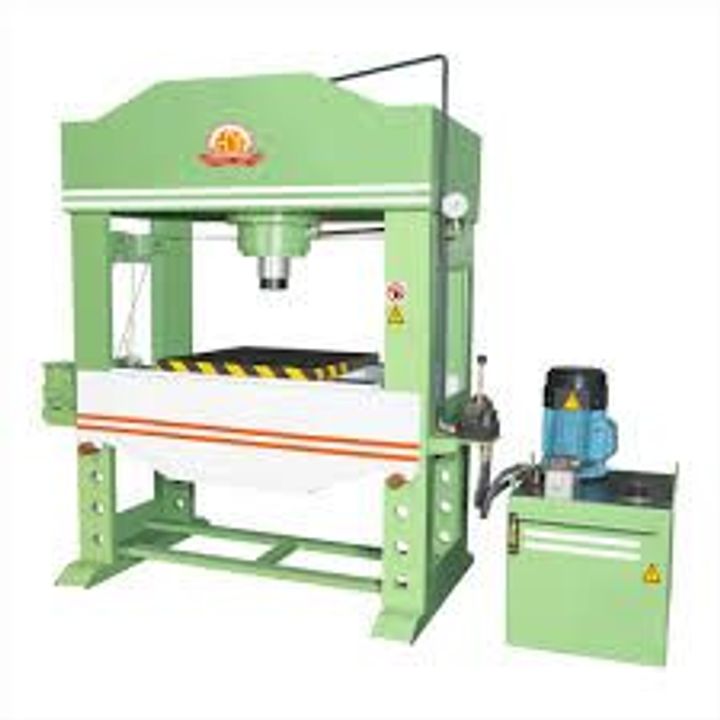
Hydraulic press machines are tools using fluid power to create compressive force. By using Pascal’s law, a small force applied on a small area is transmitted via fluid to a larger area, resulting in greater force. These machines are widely used where shaping, compressing, or forming of materials is needed.
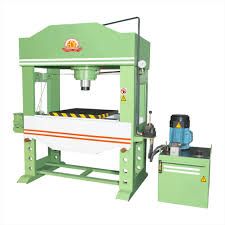
Importance
They are important because:
-
They deliver high precision in forming operations, helping maintain consistent quality.
-
Enable operations that would otherwise require massive mechanical components.
-
Reduce manual labour, improve operator safety.
-
Play a role in scaling up production in modern factories.
Stakeholders include industrial manufacturers, engineers, safety inspectors, workers, and those interested in environmental impacts due to fluid usage.
Recent Updates
Over roughly the past year:
-
Better automation integration, where presses are part of production lines with robot‐assisted loading/unloading.
-
Material science developments: newer materials (lighter metals, composites) that require specific forming methods; presses adjusting to handle these.
-
Focus on sustainability: less waste, reusable fluids, less noise.
-
Regulatory push in some places to phase out hydraulic fluids with high environmental risk, replacing them with biodegradable or less toxic alternatives.
Laws or Policies
Typical legal/policy dimensions:
-
Worker safety regulations: mandatory safety features, periodic inspections, certified operators.
-
Environmental regulations for hydraulic oils: restrictions on spills, proper disposal, containment.
-
Standards for machinery coming into market: e.g. safety certification, machine directives (in Europe), industrial machinery laws.
-
Energy policy measures: requiring efficiency labels, encouraging machines that use less power or have energy recovery features.
Tools and Resources
-
Material deformation calculators (to predict how much force needed to deform a given thickness, area).
-
Fluid leak detection tools, sensors.
-
Standard compliance checklists (machine safety, fluid handling).
-
Training modules (online or classroom) for operators.
-
Regulatory agency websites for up-to-date safety standards.
-
Software for designing press tools / dies.
FAQs
Are hydraulic presses noisy compared to mechanical presses?
Usually less noisy—hydraulic systems tend to have smoother, controlled motion—though noise still depends on design and maintenance.
What are common limitations?
Slower cycle times compared to some mechanical presses, requirement for regular maintenance, higher initial investment, potential environmental risks if fluid leaks.
Can hydraulic presses be automated?
Yes—many modern presses are integrated into automated production lines, with robotics, sensors, and data feedback.
How important is seal maintenance?
Very important—worn seals or valves can lead to leaks, loss of pressure, inefficient operation, and safety hazards.
Does the shape or design of the frame (C-frame, H-frame, four-column) matter?
Yes, because frame design affects stability, accessibility, precision, footprint, and workload capacity.
Conclusion
Hydraulic presses are central to modern manufacturing, enabling complex forming, molding, and compressing tasks with high precision. In a world focusing more on automation, sustainability, safety, and efficiency, understanding not just how these machines work—but also how they are regulated, maintained, and optimized—is essential. The right knowledge helps ensure they deliver safe, reliable performance.