Guide to Industrial Lifts: Explore Operations, Applications & Safety Insights
Industrial lifts are mechanical systems designed to move materials, goods, or personnel vertically within industrial facilities. They play a vital role in sectors such as manufacturing, construction, warehousing, and logistics. These lifts range from simple hydraulic platforms to sophisticated automated systems that handle heavy loads with precision and safety.
Over the years, industrial lifts have evolved to meet the growing demands for operational efficiency, workplace safety, and automation. Today, they are integrated with sensors, smart controls, and advanced safety mechanisms to ensure seamless movement of materials and workers.
Importance
The importance of industrial lifts extends beyond convenience. They are essential for:
-
Workplace Efficiency: Lifts enable faster movement of heavy goods between floors, reducing downtime.
-
Safety Compliance: By limiting manual handling, they lower the risk of worker injuries.
-
Operational Cost Reduction: Automation in lifts minimizes labor requirements and increases throughput.
-
Space Utilization: Vertical lifting allows better use of limited floor areas in warehouses and factories.
-
Sustainability: Modern electric lifts use less energy and require minimal maintenance compared to traditional systems.
For industries focused on speed, reliability, and safety, industrial lifts have become indispensable components of modern operations.
Recent Updates
Between 2024 and 2025, the industrial lift sector has seen several noteworthy advancements:
-
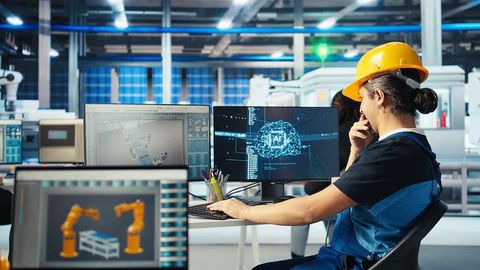
Automation Integration: Smart lifts are now equipped with programmable logic controllers (PLCs) and Internet of Things (IoT) systems for predictive maintenance and remote monitoring.
-
Energy-Efficient Designs: Electric and hydraulic hybrid lifts have reduced energy use by up to 40%.
-
Improved Safety Systems: Enhanced overload sensors and emergency descent functions protect operators and equipment.
-
Customization Options: Modular lift designs allow easier installation and scaling according to facility needs.
-
Eco-Friendly Materials: Recyclable components and energy-saving drives contribute to sustainable manufacturing practices.
| Year | Key Trend | Impact on Industry |
|---|---|---|
| 2023 | IoT-enabled monitoring | Improved uptime and predictive maintenance |
| 2024 | Hybrid electric-hydraulic lifts | Reduced energy consumption |
| 2025 | AI-assisted operation control | Safer, automated lifting processes |
These innovations demonstrate the shift toward smarter, greener, and safer lifting technologies.
Laws or Policies
Industrial lifts must comply with several regulations and standards to ensure safety and reliability:
-
Occupational Safety and Health Administration (OSHA) Standards: Define inspection, operation, and load-handling requirements for lifts in workplaces.
-
ISO 16368: Specifies global safety requirements for mobile elevating work platforms.
-
European Machinery Directive (2006/42/EC): Regulates design, manufacturing, and certification of lifting equipment in the EU.
-
National Building Codes: Outline installation and maintenance safety for elevators and lifts.
-
Environmental Regulations: Encourage the use of energy-efficient motors and recyclable materials in industrial equipment.
Compliance with these policies ensures that lift systems meet global safety and performance expectations while minimizing environmental impact.
Tools and Resources
Here are some useful tools and resources that help manufacturers, engineers, and operators manage industrial lift systems efficiently:
| Category | Tool or Resource | Purpose |
|---|---|---|
| Design Software | Lift design and load simulation tools | Calculate load distribution and safety limits |
| Maintenance Platforms | IoT-based monitoring apps | Track lift performance and schedule servicing |
| Training Resources | Operator certification programs | Ensure safe handling and maintenance |
| Safety Assessment Tools | Risk analysis checklists | Identify potential hazards before installation |
| Industry Publications | Lift technology journals | Provide updates on standards, materials, and automation trends |
These tools support efficient operations and help organizations maintain compliance with safety regulations.
FAQs
1. What are industrial lifts used for?
Industrial lifts are used for moving goods, materials, or workers vertically within manufacturing plants, warehouses, or construction sites.
2. How do industrial lifts improve workplace safety?
By automating heavy lifting, industrial lifts reduce physical strain on workers and minimize accident risks associated with manual material handling.
3. What are the main types of industrial lifts?
Common types include hydraulic lifts, electric chain lifts, freight elevators, scissor lifts, and platform lifts. Each is designed for specific load capacities and functions.
4. Are modern industrial lifts energy-efficient?
Yes, newer models include regenerative drives and smart power systems that reduce energy use and improve sustainability.
5. What maintenance is required for industrial lifts?
Regular inspections, lubrication, safety system testing, and electronic monitoring are crucial for ensuring reliability and preventing downtime.
Conclusion
Industrial lifts are more than mechanical equipment—they are the backbone of safe and efficient operations in modern industry. With ongoing advancements in automation, energy efficiency, and safety, these systems continue to transform how materials and people move within industrial environments.
As organizations aim for higher productivity and sustainability, investing in modern lift technologies that comply with international standards is essential. Understanding the types, benefits, and maintenance requirements of industrial lifts empowers businesses to design safer and more efficient workplaces.