Guide to Industrial Mixer Machines: Types, Tech & Choice Insights
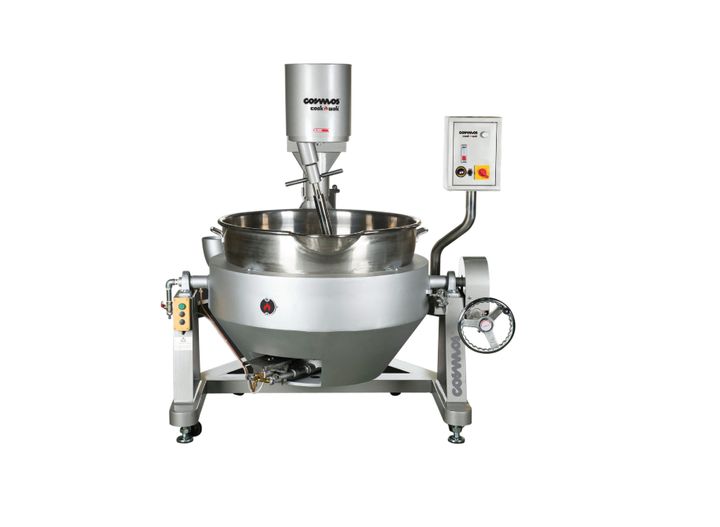
Industrial mixer machines are vital in various sectors such as food processing, pharmaceuticals, chemicals, and construction. These machines mix materials—powders, liquids, pastes—with precision and consistency, enabling manufacturers to achieve required product quality and reduce waste. The choice of mixer type—whether ribbon, paddle, planetary, or high-shear—directly impacts efficiency, finish, and operational costs.
Over recent years, demands for greater automation, cleaner processing, and energy efficiency have pushed mixer machine technology forward. Businesses are now looking for machines with easy-clean features, better materials to avoid contamination, variable speed drives, and smart controls. For anyone planning to invest in a mixer, understanding types, batch size, material compatibility, and maintenance requirements is essential.
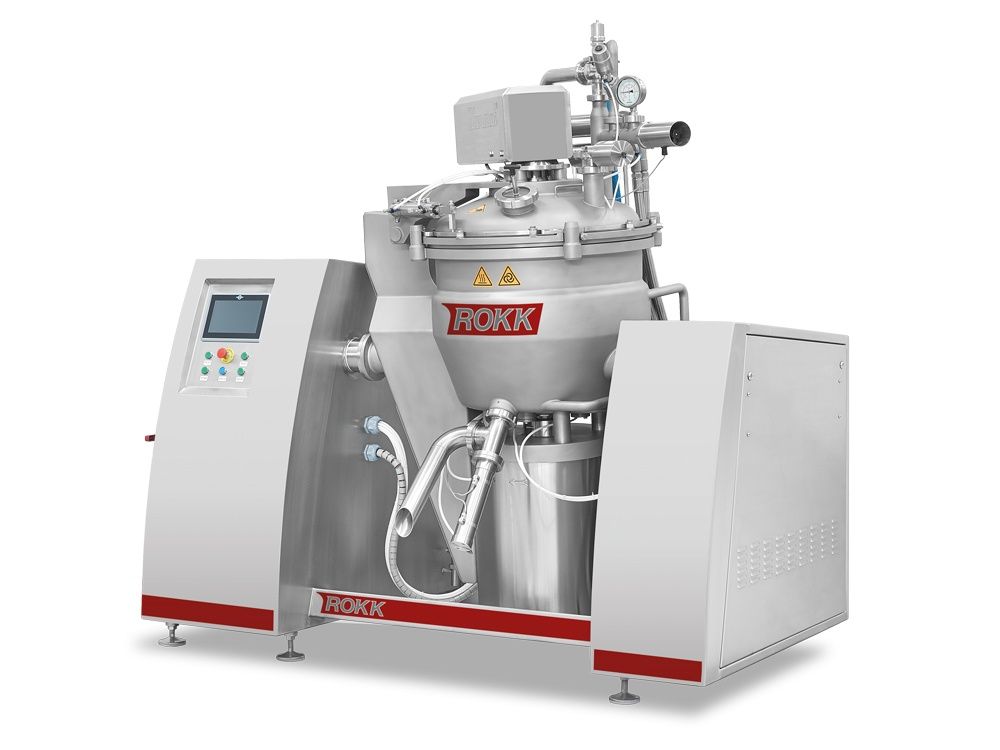
Importance of Choosing the Right Mixer Machine
-
Ensures consistent product quality, especially for sensitive or mixed formulations.
-
Helps optimize production time and energy cost.
-
Reduces maintenance downtime with appropriate materials and easy access designs.
-
Enhances safety and hygiene in processing environments.
Common Types of Industrial Mixer Machines
| Mixer Type | Best For / Typical Use Cases |
|---|---|
| Ribbon Blenders | Dry powders, granules, bulk mixing with gentle action |
| Paddle Mixers | Materials needing mild mixing, fragile or brittle content |
| Planetary Mixers | High viscosity pastes, adhesives, doughs, thick slurries |
| High-Shear Mixers | Emulsions, liquid/solid blending, smooth and uniform mix |
| Continuous Mixers | Large volume, non-stop production environments |
Key Factors to Consider Before Buying
-
Material type (powder, liquid, paste), viscosity, and whether the mixer will handle abrasive or corrosive contents
-
Batch size, minimum and maximum; whether continuous mixing is needed
-
Mixing speed, shear force, and whether adjustable settings are required
-
Material of construction (e.g. stainless steel) and design for hygiene (easy cleaning)
-
Controls and automation: PLCs, sensors, feedback loops
-
Energy consumption and long-term operating costs
-
Maintenance accessibility and spare parts availability
Trends & Modern Features (2024-2025)
-
Energy-efficient motors and variable frequency drives to reduce power usage
-
Smart monitoring and IoT for predictive maintenance and process tracking
-
Designs that support clean-in-place (CIP) or quick disassembly for hygiene critical sectors
-
Modular mixers with interchangeable blades or attachments to handle multiple material types
-
Eco-friendly materials and coatings to minimize wear and contamination
FAQs
Q1. What mixer type is best for viscous pastes?
Planetary mixers are ideal for high-viscosity or very thick materials because they offer strong mixing action and thorough contact.
Q2. How to decide between batch vs continuous mixers?
If production is in discrete lots or product formulations often change, batch mixers are more flexible. For high volume, stable formulations, continuous mixers may offer efficiency.
Q3. Why is ease of cleaning important?
In food, pharma, cosmetics etc., hygiene is crucial. Mixers that are easy to disassemble or have CIP systems reduce cleaning time and prevent contamination.
Q4. Does mixer speed always improve mixing quality?
Not necessarily. Too high speed may damage materials or generate heat. Matching speed and shear to material properties is important.
Q5. How does material construction affect mixer lifespan?
Using corrosion-resistant metals (like stainless steel) and proper coatings or lining ensures longevity and less wear, especially with abrasive or acidic materials.
Conclusion
Choosing the right industrial mixer machine involves more than just picking the cheapest model. You must align the mixer’s type, capacity, material compatibility, and operational features with your specific production needs. Modern trends in automation, smart monitoring, and hygiene are becoming standard in high-performance mixers. A well-chosen mixer can deliver consistency, lower operating cost, and better safety.