Guide to Lab-Grown Meat: Understanding Sustainable Protein & Future Prospects
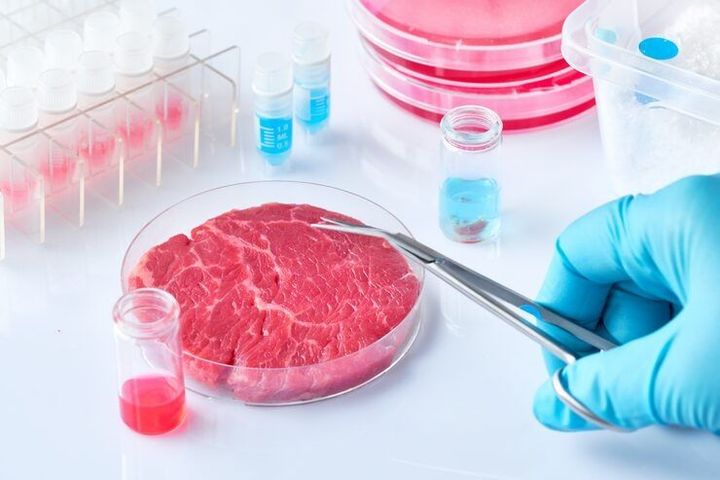
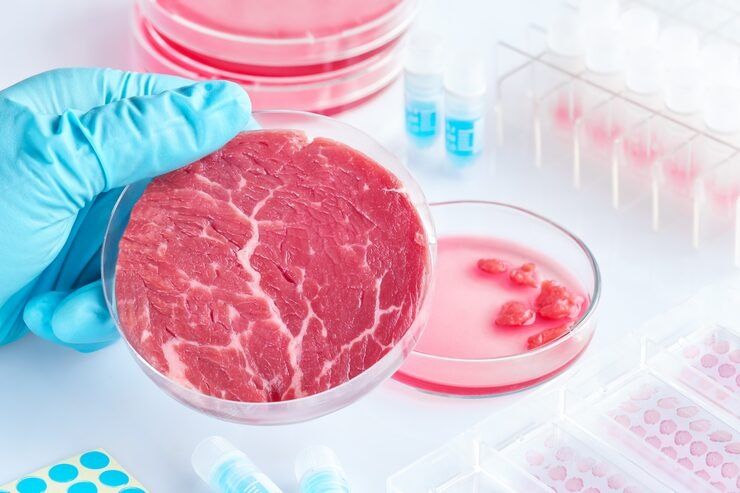
Lab-grown meat (also known as cultured meat or cultivated meat) refers to meat produced by culturing animal cells in a lab environment rather than raising and slaughtering livestock. The process begins with a small cell sample (muscle, fat, or stem cells), which is then multiplied in specialized growth media inside bioreactors. Over time, these cells differentiate and form tissue with muscle and fat components similar to conventional meat.
This concept emerged as part of a broader effort to create more sustainable and ethical food sources. With growing global population, rising meat consumption, and increasing pressure on land, water, and climate systems, lab-grown meat is viewed by many researchers, investors, and governments as one possible way to meet protein demands without the environmental and welfare costs associated with large-scale livestock farming.
Importance
Lab-grown meat matters today for several reasons:
-
Environmental Sustainability: Traditional animal agriculture is responsible for a large share of greenhouse gas emissions, deforestation, high water consumption, and land use. Cultured meat promises much lower resource use and emissions.
-
Animal Welfare: Because it does not require raising and slaughtering animals in the traditional way, cultured meat offers an ethical alternative for meat production.
-
Food Security & Scalability: As global demand for protein increases (in many forecasts by 50-100% by mid-century), having scalable protein solutions that are less resource-intensive can help ensure stable supply.
-
Health & Safety: Lab-grown meat tempts fewer risks of contamination from pathogens, less reliance on growth hormones or routine antibiotics, and greater control over production conditions.
Recent Updates (2024-2025)
-
Major investments in the cultivated meat sector, with many startups growing capacity and scaling production.
-
New product developments: chicken nuggets or meat portions cultivated in more advanced bioreactor systems that better mimic natural tissue growth.
-
Improved growth media (nutrient solutions) formulations to reduce costs and avoid use of animal-derived supplements.
-
Advances in scaffold technology (support structures on which cells grow) to provide texture, structure, and differentiation of muscle and fat.
-
Regulatory progress: Several jurisdictions are approving lab-grown or cell-based meat for safety and marketing, paving the way for commercial availability.
Laws or Policies
-
Regulatory frameworks are being developed in many countries to classify, test, and approve lab-grown meats under “novel foods” or “cellular agriculture” standards.
-
Labelling rules are under discussion—how to describe cultured meat to consumers clearly and without misleading claims.
-
Food safety regulations require oversight throughout the process: cell sourcing, growth media, bioreactor hygiene, waste management, and final product testing.
-
Environmental and agricultural policies in some regions are beginning to support sustainable protein alternatives via subsidies, research grants, or favorable regulation.
Tools & Resources
-
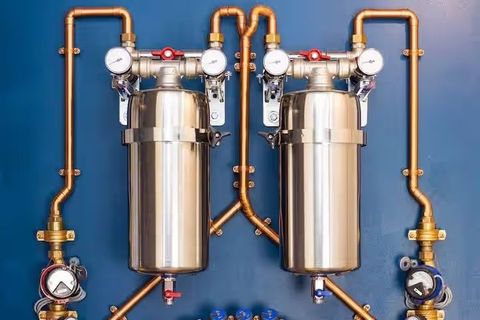
Bioreactors: vessels designed to grow animal cells under controlled conditions (temperature, oxygen, nutrients).
-
Growth media / Nutrient solutions: key component to feed the cells; research focuses on making this more affordable and non-animal-derived.
-
Scaffold materials: edible or biodegradable materials that give structure to cultured meat (to mimic texture, alignment of fibres, muscle structure).
-
Testing and Quality Control Tools: for cell purity, sterility, nutritional composition, and safety.
-
Industry reports & scientific literature: for market size, environmental life-cycle assessments, consumer acceptance studies.
FAQs
Q1. How close is lab-grown meat to being widely available?
Several products are in development or in early commercial phases. Widespread availability depends on scaling up production, reducing costs, and obtaining regulatory approvals, which may take several years in many regions.
Q2. Is lab-grown meat nutritionally similar to conventional meat?
It aims to be, in terms of protein content, essential amino acid profile, and even fat composition. Differences may exist depending on the growth media and scaffold used, so producers work to optimize for both nutrition and taste.
Q3. Will lab-grown meat be cheaper than regular meat?
Currently, it is more expensive due to small production volumes, expensive growth media, and infrastructure costs. However, as processes scale, bioreactor sizes grow, media costs drop, it is expected to approach cost parity with some traditional meats.
Q4. Are there any health risks associated with lab-grown meat?
Regulatory testing aims to ensure safety: sterility, absence of contaminants, and correct nutritional makeup. Risks are considered lower in some areas (pathogen exposure, antibiotic use) but long-term studies are still ongoing.
Q5. How much environmental benefit does lab-grown meat provide?
Estimates suggest large reductions in land use, water use, and greenhouse gas emissions (often 80-90% fewer resources compared to conventional meat) though actual benefit depends on energy sources, scale, and process efficiency.
Conclusion
Lab-grown meat holds strong promise as a path toward more sustainable, ethical, and environmentally conscious protein production. While challenges remain—cost, scale, regulatory acceptance, and consumer perception—ongoing scientific advances and investment indicate that this alternative protein source could play a significant role in meeting future protein demands.
For consumers, businesses, and policymakers, supporting improvements in growth media, bioreactor design, safety regulation, and public education are key to realizing the potential of sustainable protein from lab-cultured meat.