Guide to Soundproofing Materials and Solutions: Creating Quieter, More Productive Spaces
Soundproofing has evolved from being a luxury feature in recording studios to a critical requirement in offices, homes, and industrial facilities. With urban environments becoming noisier, people are increasingly seeking peace and focus through acoustic insulation and noise control.
Soundproofing refers to the process of reducing or blocking unwanted sound transmission between spaces. Whether it’s preventing outdoor noise from entering your room or isolating sound within a workspace, effective soundproofing depends on material selection, installation technique, and professional expertise.
For businesses, especially those operating in open offices, noise pollution can reduce productivity by up to 40%. Similarly, homeowners now prioritize acoustic comfort alongside aesthetics.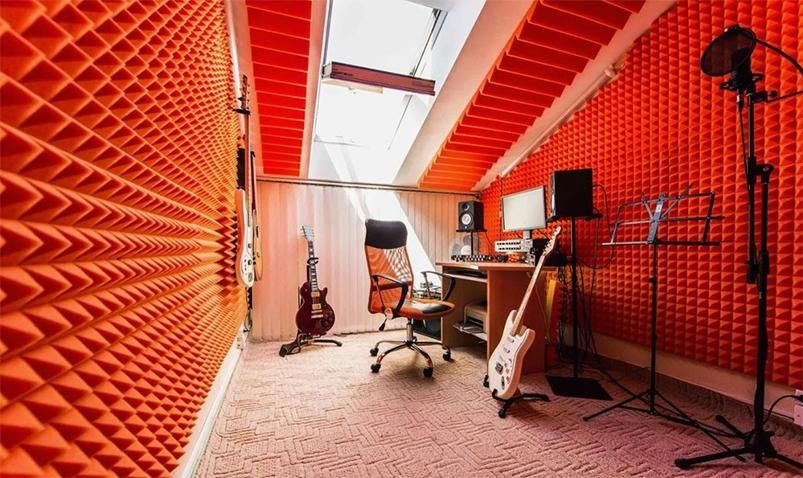
The Science Behind Soundproofing
Soundproofing works by controlling sound waves through absorption, blocking, damping, and decoupling techniques.
-
Absorption: Materials such as acoustic foam or fiberglass absorb sound energy and reduce echo.
-
Blocking: Barriers like dense vinyl sheets or drywall prevent sound from passing through walls.
-
Damping: Specialized compounds convert sound vibrations into heat energy, minimizing transmission.
-
Decoupling: Separating wall layers or surfaces to prevent direct sound transfer.
A combination of these methods yields optimal acoustic results.
Most Soundproof Materials for Effective Noise Control
When selecting materials for soundproofing, consider density, flexibility, and installation compatibility. Below are some of the most soundproof materials used by professionals in 2025:
-
Mass Loaded Vinyl (MLV):
A dense yet flexible sound barrier that effectively blocks airborne noise. Brands like AudioSeal Sound Barrier are widely recognized for superior performance in both residential and commercial applications. -
Acoustic Foam Panels:
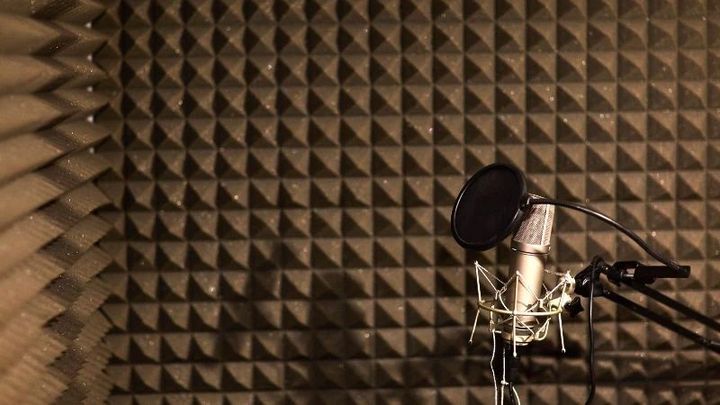
Commonly used in studios and offices, these panels absorb mid- and high-frequency sounds, improving clarity and reducing echo. -
Fiberglass Insulation:
An economical solution for wall and ceiling insulation that offers thermal and sound control simultaneously. -
Soundproof Drywall:
A composite of gypsum and damping polymers, perfect for offices and multi-story buildings requiring wall-mounted acoustic layers. -
Green Glue Damping Compound:
Applied between two drywall layers to reduce vibrations. This is ideal for retrofitting walls or ceilings. -
Acoustic Curtains and Blankets:
Portable, flexible solutions for quick sound reduction in apartments or temporary setups. -
Resilient Channels:
Metal strips that decouple wall layers, significantly reducing structural sound transmission.
Applications of Soundproofing in Modern Settings
Soundproofing is no longer limited to recording spaces. Today, it’s widely used in:
-
Corporate Offices: Enhances focus and confidentiality by reducing ambient chatter and meeting room noise.
-
Home Theaters: Creates immersive entertainment experiences without disturbing others.
-
Hospitals: Ensures patient privacy and lowers stress levels.
-
Industrial Facilities: Protects workers from prolonged exposure to harmful noise levels.
-
Educational Institutions: Improves concentration and teaching clarity in classrooms.
-
Hospitality Sector: Increases comfort in hotels and restaurants through controlled acoustics.
Office Soundproofing Solutions: Boosting Focus and Collaboration
Open office designs, while modern and collaborative, often suffer from noise distractions. The solution lies in office soundproofing systems designed to maintain a balance between privacy and communication.
Effective approaches include:
-
Installing sound-absorbing ceiling tiles or acoustic baffles.
-
Adding carpeting and soft furnishings to minimize reflective sound.
-
Using partition panels embedded with acoustic foam or glass.
-
Applying soundproof drywall for conference rooms and executive spaces.
-
Introducing white noise machines to neutralize background sound.
Many soundproofing companies now offer tailored office packages that include acoustic audits, noise mapping, and installation.
Top Soundproofing Companies and Specialists in 2025
Global demand for advanced acoustic solutions has encouraged specialized providers to offer turnkey soundproofing services. Below are some leading soundproofing companies and specialists recognized for quality and innovation:
| Company/Specialist | Expertise Area | Key Offerings |
|---|---|---|
| Acoustiblok Inc. | Industrial & Residential | Sound barriers, noise isolation systems |
| AudioSeal Sound Barrier Solutions | Commercial & Studio Applications | Premium vinyl sound barriers and accessories |
| Silentium Acoustic Systems | Office & IT Spaces | Smart active noise-cancellation technology |
| Armstrong Ceiling Solutions | Corporate Interiors | Acoustic ceilings, panels, and modular walls |
| Rockwool Group | Industrial Soundproofing | Mineral wool insulation with high NRC rating |
These firms integrate engineering precision with design aesthetics to achieve optimal noise control.
Advantages of Using Professional Soundproofing Specialists
Hiring experienced soundproofing specialists offers numerous benefits:
-
Accurate Acoustic Assessment: Professionals measure decibel levels to recommend suitable materials.
-
Customized Design: Solutions tailored to room dimensions, wall composition, and sound source.
-
Proper Installation: Ensures longevity and prevents sound leaks.
-
Regulatory Compliance: Meets building and occupational noise standards.
-
Aesthetic Integration: Acoustic panels can complement interior design.
How to Choose the Right Soundproofing Solution
Before investing in soundproofing, evaluate your environment and specific needs using these factors:
-
Noise Type: Identify whether the issue is airborne (voices, traffic) or structural (vibrations, machinery).
-
Room Function: Studios need absorption; offices require blocking and privacy.
-
Material Compatibility: Check whether walls, ceilings, or floors support heavy barriers.
-
Budget and Maintenance: Compare cost-effectiveness of permanent vs. portable solutions.
-
Professional Guidance: Consult a certified soundproofing engineer or specialist.
Checklist for Effective Soundproofing
-
Conduct a noise level survey.
-
Use layered materials (drywall + MLV + Green Glue).
-
Seal all gaps and door edges.
-
Install acoustic underlay beneath floors.
-
Choose NRC-rated (Noise Reduction Coefficient) products.
-
Schedule periodic maintenance checks.
Future Trends in Acoustic Technology
The next wave of soundproofing innovation is focused on sustainability and smart technology. Key trends include:
-
Eco-Friendly Materials: Recycled fabrics and biodegradable insulation components.
-
Smart Acoustic Sensors: Devices that monitor real-time noise levels.
-
Transparent Sound Barriers: Glass-based acoustic walls for open spaces.
-
Modular Acoustic Furniture: Moveable panels that double as design elements.
-
AI-Driven Noise Control: Adaptive sound systems that automatically balance frequencies.
These advancements are redefining how architects and engineers integrate sound control into modern design.
Conclusion
Soundproofing is more than a technical solution—it’s a lifestyle upgrade and a productivity investment. Whether it’s using the AudioSeal Sound Barrier, installing acoustic foam panels, or consulting soundproofing specialists, achieving acoustic balance is now easier and more effective than ever.
With increasing urbanization and hybrid work trends, the importance of high-quality, sustainable, and efficient soundproofing materials will continue to rise. The right approach ensures peace, performance, and protection in every environment.