How HEPA Purifiers Work: Steps, Process, and Filtration Techniques
Air quality plays an important role in maintaining healthy indoor environments. Modern buildings often rely on ventilation and filtration technologies to reduce airborne particles such as dust, pollen, smoke, and microscopic pollutants. One of the most widely used air filtration technologies is the High Efficiency Particulate Air filter, commonly known as the HEPA filter.
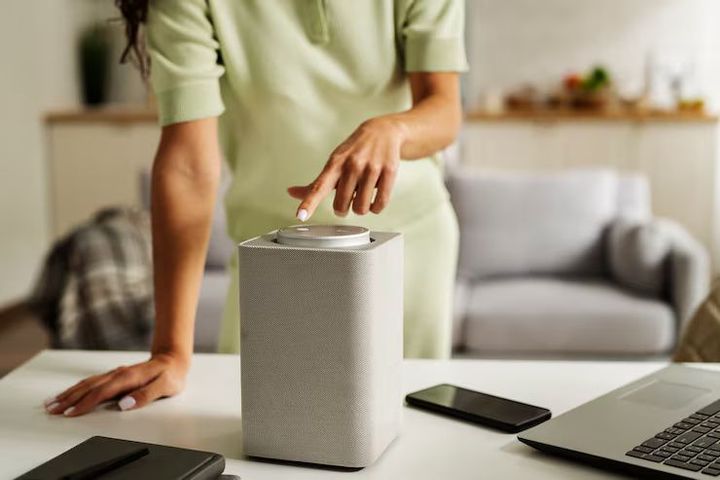
HEPA air purifier technology is designed to capture extremely small particles from the air. These systems are commonly used in homes, offices, hospitals, laboratories, and industrial facilities where air cleanliness is important.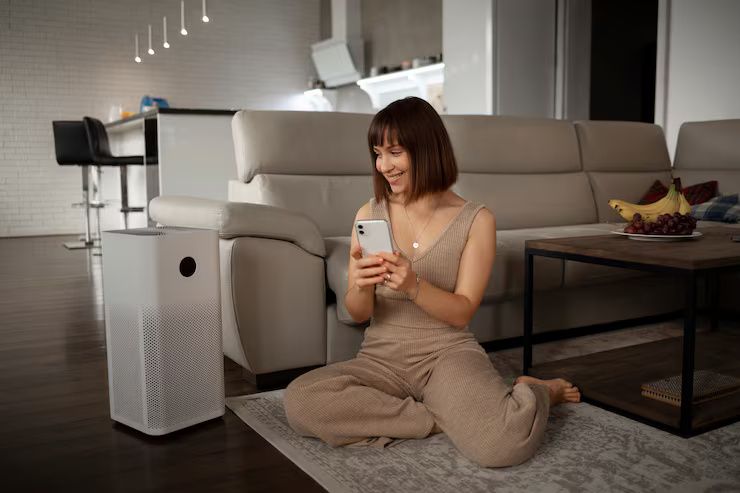
HEPA filtration systems operate by drawing air through dense filter materials that trap airborne contaminants. Unlike basic air filters, HEPA filtration technology is engineered to capture microscopic particles with very high efficiency.
Understanding how HEPA purifiers work helps explain how modern air filtration systems contribute to improved indoor air quality and environmental health.
Understanding the Context of HEPA Air Purifiers
HEPA filters were originally developed during the mid-20th century to remove radioactive particles from laboratory environments. Over time, this filtration technology was adapted for use in healthcare, commercial buildings, and residential air purification systems.
HEPA filtration process technology is based on specialized fiber structures that trap particles as air flows through the filter.
Air purification systems that use HEPA filters typically include several components:
-
Air intake vents
-
Pre-filters for larger particles
-
HEPA filtration layers
-
Air circulation fans
-
Air outlet vents
Indoor air purification systems operate continuously by pulling contaminated air into the unit, filtering it through several stages, and releasing cleaner air back into the environment.
HEPA filter air cleaning technology is widely used in hospitals, laboratories, cleanrooms, and residential environments where controlling airborne contaminants is important.
Air filtration systems based on HEPA standards are designed to capture particles that are much smaller than those removed by conventional air filters.
Why HEPA Air Purifiers Matter Today
Indoor air quality has become a growing area of interest in environmental health research. People spend significant amounts of time indoors, making indoor air quality an important factor in overall well-being.
Air purification technology helps reduce the presence of airborne particles such as:
-
Dust and pollen
-
Pet dander
-
Smoke particles
-
Mold spores
-
Fine particulate matter
HEPA filtration efficiency allows air purifiers to capture extremely small particles that may circulate within indoor environments.
Indoor air purification systems are particularly relevant in environments such as:
-
Hospitals and healthcare facilities
-
Schools and educational buildings
-
Office workplaces
-
Residential homes in urban areas
Air filtration systems help maintain cleaner indoor environments by reducing airborne contaminants.
HEPA air purifier technology is also widely used in research laboratories and manufacturing cleanrooms where strict air quality standards must be maintained.
As concerns about air pollution and environmental health continue to grow, the role of HEPA filtration technology has become increasingly important.
How the HEPA Filtration Process Works
The HEPA filtration process relies on multiple physical mechanisms to capture particles from the air.
Air intake stage
Air is drawn into the purifier using a fan that creates airflow through the system.
Pre-filtration stage
Large particles such as dust and hair are captured by a preliminary filter.
HEPA filtration stage
Air passes through a dense mat of randomly arranged fibers that trap microscopic particles.
Particle capture mechanisms
Particles are trapped through interception, impaction, and diffusion processes.
Clean air release
Filtered air is circulated back into the room through outlet vents.
These steps allow HEPA air purification systems to remove a wide range of airborne contaminants.
The filtration process is entirely mechanical and does not rely on chemical reactions.
HEPA Filtration Mechanisms Explained
HEPA filters capture particles using several physical filtration methods.
| Filtration Method | Description | Particle Type |
|---|---|---|
| Interception | Particles follow airflow and stick to filter fibers | Medium-sized particles |
| Impaction | Larger particles collide directly with fibers | Dust and pollen |
| Diffusion | Very small particles move randomly and contact fibers | Fine particles |
| Sieving | Large particles are blocked by filter openings | Visible debris |
These mechanisms allow HEPA filter technology to capture particles across a wide range of sizes.
The combined effect of these filtration methods contributes to high filtration efficiency.
Recent Updates in Air Purification Technology in 2025
In January 2025, environmental health studies highlighted growing interest in advanced indoor air purification systems for urban environments.
In February 2025, manufacturers introduced updated HEPA filtration designs that improve airflow efficiency while maintaining particle capture performance.
In March 2025, research institutions reported increased use of air purification technology in educational facilities and healthcare buildings to improve indoor environmental quality.
Air filtration systems are also being integrated with smart building technologies that monitor air quality levels in real time.
These developments reflect ongoing innovation in indoor air purification technology.
Laws and Standards Affecting HEPA Air Purifiers
Air purification systems are influenced by environmental and product safety standards established by regulatory authorities.
Many countries follow technical standards that define HEPA filtration efficiency and testing procedures.
Air quality regulations may encourage the use of air filtration systems in certain environments such as hospitals and laboratories.
Environmental health guidelines also promote improved indoor air quality through ventilation and filtration strategies.
Building codes in some regions include recommendations related to air purification systems and HVAC filtration standards.
These policies support the development of air purification technologies that contribute to healthier indoor environments.
Tools and Resources for Monitoring Air Quality
Several tools and resources help individuals understand and monitor indoor air quality.
Common resources include:
-
Indoor air quality monitoring devices
-
Environmental health research databases
-
HVAC filtration guidelines
-
Air quality index information platforms
-
Building ventilation planning tools
Air quality monitoring devices measure factors such as particulate matter, humidity, and temperature.
Environmental research publications provide insights into air purification technologies and filtration performance.
Digital air quality platforms provide data related to regional pollution levels and environmental conditions.
These tools help individuals understand how air filtration systems contribute to improved indoor environments.
Frequently Asked Questions
What is a HEPA purifier?
A HEPA purifier is an air cleaning device that uses a High Efficiency Particulate Air filter to capture airborne particles.
How does HEPA filtration work?
Air passes through dense filter fibers that trap particles using interception, impaction, and diffusion mechanisms.
What particles can HEPA filters capture?
They can capture dust, pollen, mold spores, smoke particles, and other microscopic airborne contaminants.
Where are HEPA air purifiers commonly used?
They are widely used in homes, hospitals, laboratories, and cleanroom environments.
Do HEPA filters require maintenance?
Air filtration systems typically require periodic inspection and filter replacement to maintain efficiency.
Conclusion
HEPA air purifiers represent an important advancement in air filtration technology. By using specialized filter materials and airflow systems, these devices capture microscopic airborne particles and improve indoor air quality.
The HEPA filtration process combines multiple physical mechanisms that allow filters to trap a wide range of contaminants. These systems are widely used in residential buildings, healthcare facilities, laboratories, and industrial environments.
Recent innovations in air purification technology continue to enhance filtration efficiency and integrate air quality monitoring tools. Environmental regulations and health guidelines also support the use of air filtration systems to maintain safe indoor environments.
Understanding how HEPA purifiers work provides valuable insight into the science of air filtration and the role these technologies play in supporting healthier indoor spaces.