Injection Molding Machines: A Complete Guide for Manufacturers and Engineers
Injection molding is one of the most widely used manufacturing processes for producing plastic parts in high volumes. From everyday household products to automotive components and medical devices, injection molding machines play a vital role in industrial production across sectors.
This guide explains what injection molding machines are, how they work, the types available, their advantages, limitations, key features, industry trends in 2025, and how to choose the right one for your operations.
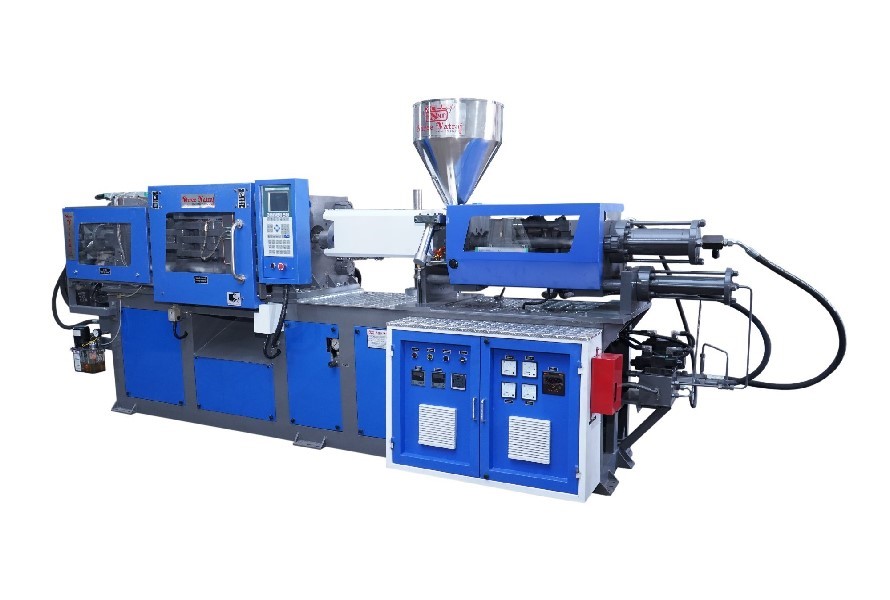
What Is an Injection Molding Machine?
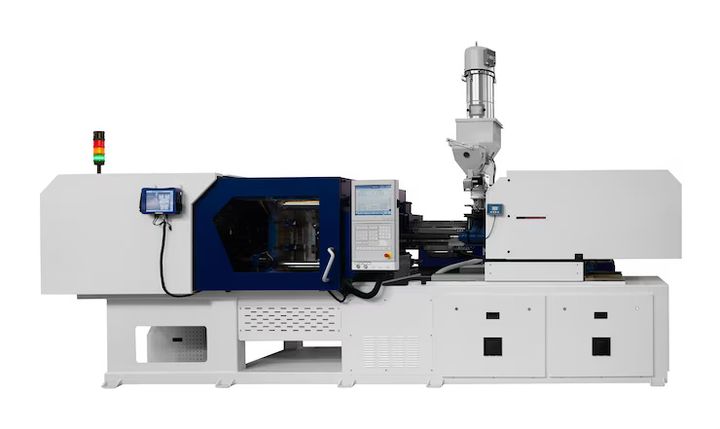
An injection molding machine (IMM) is a specialized piece of equipment that melts plastic material and injects it into a mold cavity under high pressure. Once cooled and solidified, the molded part is ejected from the mold, ready for use or further processing.
The process is widely used for mass-producing identical plastic parts quickly and efficiently.
Key Components of Injection Molding Machines
-
Injection Unit: Heats and injects the molten plastic.
-
Clamping Unit: Holds the mold tightly during injection and cooling.
-
Mold: The custom-shaped cavity that forms the product.
-
Control System: Manages temperature, pressure, speed, and cycle times.
Types of Injection Molding Machines
1. Hydraulic Injection Molding Machines
Traditional machines powered by hydraulic systems. Ideal for large parts and high clamping force applications.
2. Electric Injection Molding Machines
Fully electric with servo motors. Offers higher energy efficiency, precision, and lower noise.
3. Hybrid Injection Molding Machines
Combines hydraulic power with electric servo motors. Offers the advantages of both types.
4. Vertical Injection Molding Machines
Parts are injected vertically—commonly used for insert molding or overmolding small components.
Advantages of Using Injection Molding Machines
-
High Production Rates: Ideal for producing thousands to millions of identical parts.
-
Minimal Waste: Excess plastic is often recyclable.
-
Design Flexibility: Can create complex shapes and fine details.
-
Repeatability: Consistent quality across multiple production cycles.
-
Labor Efficiency: Largely automated process.
Limitations of Injection Molding
-
High Initial Tooling Cost: Molds are expensive to design and manufacture.
-
Long Lead Times: Tooling and setup take time.
-
Not Cost-Effective for Low Volumes: Better suited for high-volume production.
Applications of Injection Molding Machines
-
Automotive: Bumpers, dashboards, door panels, and electrical housing.
-
Consumer Goods: Toys, containers, electronic housings, kitchen tools.
-
Medical: Syringes, diagnostic devices, surgical components.
-
Electronics: Phone cases, battery enclosures, circuit holders.
-
Packaging: Caps, closures, bottles, and containers.
Latest Trends in Injection Molding Machines (2025)
Smart Manufacturing Integration
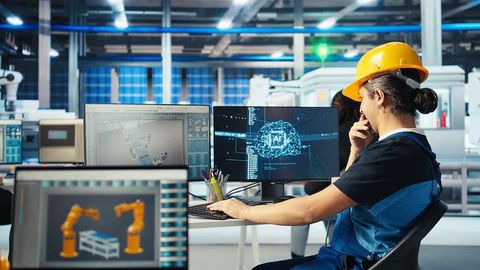
Modern machines now feature IoT sensors, predictive maintenance, and real-time data tracking for smarter operations.
Sustainability and Bioplastics
Eco-conscious manufacturers are shifting toward biodegradable resins and recyclable plastics.
AI and Automation
AI-based systems optimize temperature, cycle time, and material flow to reduce defects and improve efficiency.
Rapid Tooling and Prototyping
Faster mold-making with 3D printing and CNC machining is reducing lead times significantly.
Cloud Connectivity
Remote monitoring and cloud-based production planning tools are being adopted in large factories.
Key Features to Look for in an Injection Molding Machine
-
Clamping Force (in Tons): Determines the size of mold and part you can use.
-
Shot Size (Volume): Indicates how much plastic is injected per cycle.
-
Injection Pressure and Speed: Affects quality and material compatibility.
-
Energy Efficiency: Electric or hybrid models consume less power.
-
Automation Compatibility: Ability to integrate with robots, conveyors, or sensors.
-
User Interface: Touchscreen or digital controls for ease of programming.
Top Injection Molding Machine Brands (Global Leaders in 2025)
-
ENGEL (Austria): Known for energy-efficient and all-electric machines.
-
Arburg (Germany): Offers compact, high-precision machines for a variety of industries.
-
Sumitomo (Japan): Specializes in all-electric injection molding systems.
-
Haitian (China): One of the largest manufacturers globally, known for cost-effective solutions.
-
Nissei (Japan): Offers vertical and horizontal machines with hybrid tech.
-
Milacron (USA): Provides a wide range of customizable hydraulic and electric machines.
-
Windsor Machines (India): Reliable machines for automotive and packaging sectors.
How to Choose the Right Injection Molding Machine
Step 1: Define Your Product
Consider the size, material, and production volume of your plastic parts.
Step 2: Calculate Clamping Force
Use industry formulas or consult with suppliers to determine the appropriate tonnage.
Step 3: Consider Cycle Time and Throughput
Choose a machine that balances speed and cooling for your production goals.
Step 4: Assess Material Compatibility
Make sure the machine supports the thermoplastics or bioplastics you use.
Step 5: Check After-Sales Support
Look for local service centers, spare part availability, and training support.
FAQs on Injection Molding Machines
Q1: What materials can be used in injection molding?
Common materials include ABS, polypropylene, nylon, PET, polystyrene, and newer bio-based plastics.
Q2: What is the typical life of an injection molding machine?
With proper maintenance, machines can last 10–20 years or longer.
Q3: Can small businesses use injection molding machines?
Yes. Compact desktop or semi-industrial machines are now available for startups and prototyping.
Q4: Are electric machines better than hydraulic ones?
Electric machines offer better energy efficiency, precision, and cleanliness, making them ideal for medical and electronics sectors.
Q5: How much does an injection molding machine cost?
Prices vary greatly—from a few thousand dollars for desktop units to hundreds of thousands for industrial machines (not quoted for Google Ads compliance).
Conclusion: Is Injection Molding Right for Your Business?
If you're in need of high-volume plastic production with consistent quality and speed, injection molding machines are a critical investment. By choosing the right type, capacity, and automation level, you can scale manufacturing efficiently and cost-effectively in 2025 and beyond.