Pipe Welding Guide: Explore Techniques, Equipment, and Key Insights
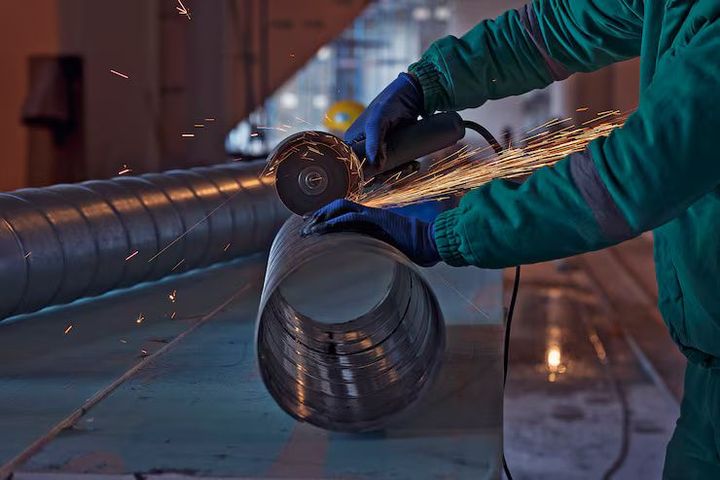
Pipe welding is a specialized welding practice used to join pipes and tubing so that fluids or gases can move safely and efficiently through a system. It exists because many industries rely on closed piping networks to transport water, oil, gas, chemicals, steam, and other materials. These systems must be strong, leak-resistant, and durable under pressure, temperature changes, and environmental stress.
Unlike general metal welding, pipe welding often requires working in fixed positions, confined spaces, or challenging environments. The quality of a pipe weld directly affects system reliability, safety, and long-term performance. This guide explains the fundamentals of pipe welding, why it matters, recent developments, relevant regulations, useful tools, and common questions in a neutral and educational way.
Context
Pipes are used to move substances from one location to another, often over long distances or within complex facilities. To create a continuous pipeline, individual pipe sections must be permanently joined. Pipe welding provides a strong, sealed joint that can withstand internal pressure and external forces.
Pipe welding exists as a distinct discipline because pipes:
-
Are cylindrical, requiring precise alignment
-
Often carry pressurized or hazardous materials
-
Must maintain internal smoothness to reduce flow resistance
-
Are installed in varied positions such as horizontal, vertical, or overhead
Pipe welding is commonly used in sectors such as construction, energy, water infrastructure, manufacturing, and chemical processing. Each application places different demands on weld strength, cleanliness, and inspection.
Importance
Pipe welding matters today because modern infrastructure depends heavily on reliable piping systems. From urban water supply networks to industrial processing plants, welded pipes support essential services and operations.
Who pipe welding affects
Pipe welding has an impact on:
-
Infrastructure projects such as water and gas pipelines
-
Industrial facilities that depend on process piping
-
Energy production and distribution systems
-
Environmental safety and public health
Problems pipe welding helps solve
Proper pipe welding addresses:
-
Leakage risks that can cause material loss or contamination
-
Structural weakness in pipelines
-
System failure under pressure or temperature changes
-
Maintenance challenges caused by poor joint quality
Why quality is critical
Even small defects in a pipe weld can lead to long-term issues such as corrosion, cracking, or sudden failure. High-quality welding reduces downtime, improves safety, and extends the service life of piping systems.
Common Pipe Welding Techniques
Different welding techniques are used depending on pipe material, thickness, position, and application requirements.
Shielded Metal Arc Welding (SMAW)
Often referred to as stick welding, this technique uses a consumable electrode coated with flux.
Key characteristics:
-
Suitable for outdoor and field work
-
Works well on thicker pipes
-
Tolerant of less controlled environments
Gas Tungsten Arc Welding (GTAW)
Also known as TIG welding, this method uses a non-consumable tungsten electrode.
Key characteristics:
-
High precision and clean welds
-
Commonly used for thin-walled pipes
-
Requires controlled conditions and skilled operation
Gas Metal Arc Welding (GMAW)
Often called MIG welding, this technique uses a continuously fed wire electrode.
Key characteristics:
-
Faster welding speeds
-
Consistent weld quality
-
Common in workshop or fabrication settings
Flux-Cored Arc Welding (FCAW)
This method uses a tubular wire filled with flux.
Key characteristics:
-
Good penetration for thicker materials
-
Effective in outdoor conditions
-
Often used in heavy industrial applications
Overview of Techniques (Table)
| Technique | Typical Use | Key Advantage |
|---|---|---|
| SMAW | Field pipe welding | Versatility |
| GTAW | Precision pipe work | Clean welds |
| GMAW | Fabrication shops | Speed |
| FCAW | Heavy-duty piping | Strong penetration |
Pipe Welding Positions
Pipe welding often requires working in multiple positions, which adds complexity.
Common positions include:
-
Horizontal (pipe axis horizontal)
-
Vertical (pipe axis vertical)
-
Overhead (welding from below)
-
Fixed position (pipe cannot be rotated)
Fixed-position pipe welding is particularly demanding because the welder must adapt technique and control as the welding angle changes around the pipe.
Equipment Used in Pipe Welding
Pipe welding relies on specialized equipment to ensure accuracy, safety, and consistency.
Welding machines
Different machines provide the electrical current needed for each welding method.
Electrodes and filler materials
Chosen based on:
-
Pipe material
-
Welding technique
-
Strength and corrosion requirements
Pipe alignment tools
Used to:
-
Hold pipes in correct position
-
Maintain consistent root gaps
-
Prevent misalignment during welding
Protective equipment
Essential items include:
-
Welding helmets with appropriate filters
-
Heat-resistant gloves and clothing
-
Eye and face protection
Materials Commonly Welded
Pipe welding techniques vary depending on material properties.
Frequently welded pipe materials include:
-
Carbon steel
-
Stainless steel
-
Alloy steel
-
Aluminum
-
Copper and copper alloys
Each material requires specific preparation, filler selection, and heat control to avoid defects.
Quality Control in Pipe Welding
Quality control is a critical part of pipe welding because many systems operate under pressure.
Common quality practices include:
-
Visual inspection of weld appearance
-
Dimensional checks for alignment
-
Non-destructive testing methods such as radiography or ultrasonic testing
-
Pressure testing of completed piping systems
Documentation of weld parameters and inspection results helps ensure traceability and compliance.
Recent Updates and Trends (2024–2025)
Pipe welding practices have continued to evolve with advances in technology and safety awareness.
2024: Increased use of automated welding
In 2024, more projects adopted automated and mechanized pipe welding systems, especially for repetitive welds in controlled environments. These systems improve consistency and reduce operator fatigue.
2024: Focus on weld quality monitoring
Real-time monitoring tools gained attention in 2024. Sensors and digital systems can track heat input, travel speed, and weld consistency, helping identify defects early.
2025: Emphasis on skill development
By early 2025, industry discussions highlighted the importance of structured training and certification to maintain high pipe welding standards as materials and codes become more advanced.
2025: Sustainability considerations
Pipe welding processes are increasingly evaluated for energy efficiency and material optimization, aligning with broader sustainability goals in construction and manufacturing.
Laws or Policies Affecting Pipe Welding
Pipe welding is influenced by safety, quality, and environmental regulations rather than commercial policies.
Welding codes and standards
Many regions require pipe welding to follow recognized codes that define:
-
Acceptable welding procedures
-
Qualification of welders
-
Inspection and testing methods
Workplace safety regulations
Safety rules address:
-
Protection from heat and fumes
-
Electrical safety
-
Confined space work requirements
Environmental regulations
Some policies influence:
-
Control of welding emissions
-
Waste handling from consumables
-
Noise and energy use at worksites
Infrastructure and public safety rules
For pipelines carrying essential or hazardous materials, stricter oversight ensures public and environmental protection.
Tools and Resources
Pipe welding is supported by a range of tools and educational resources that help maintain quality and safety.
Technical tools
-
Welding procedure specification (WPS) documents
-
Welding calculators for heat input and amperage
-
Alignment and measuring tools
Digital resources
-
Welding reference software
-
Inspection documentation templates
-
Training and certification guides
Learning resources
-
Industry standards publications
-
Technical manuals
-
Safety and best-practice guides
Supporting Tools by Purpose (Table)
| Tool Type | Purpose |
|---|---|
| WPS documents | Define welding parameters |
| Alignment tools | Ensure pipe accuracy |
| Inspection tools | Detect defects |
| Digital references | Support learning and compliance |
Common Challenges in Pipe Welding
Pipe welding presents unique challenges that require planning and skill.
Typical challenges include:
-
Maintaining weld quality in fixed positions
-
Controlling heat input to avoid distortion
-
Working in confined or outdoor environments
-
Ensuring consistent penetration and fusion
Addressing these challenges involves proper preparation, technique selection, and quality checks.
FAQs
What is pipe welding used for?
Pipe welding is used to join pipes that carry liquids or gases in infrastructure, industrial, and energy systems.
How is pipe welding different from regular welding?
Pipe welding often involves cylindrical joints, fixed positions, and strict quality requirements due to pressure and safety concerns.
Is pipe welding always done by hand?
No. Pipe welding can be manual, semi-automated, or automated, depending on project size and precision needs.
Why is inspection important in pipe welding?
Inspection helps ensure welds are strong, leak-free, and safe for long-term use, especially in pressurized systems.
Do all pipe materials use the same welding method?
No. Different materials require specific techniques, filler materials, and heat control to achieve reliable welds.
Conclusion
Pipe welding is a critical process that supports modern infrastructure and industrial systems. It exists to create strong, sealed joints that allow fluids and gases to move safely through piping networks. Because these systems often operate under pressure and in demanding environments, pipe welding requires specialized techniques, equipment, and quality controls.
Recent trends show increased use of automation, digital monitoring, and skill development to improve weld consistency and safety. Regulations and standards continue to guide best practices, ensuring public and environmental protection. By understanding pipe welding techniques, tools, and key insights, it becomes clear why this discipline remains essential to reliable and safe piping systems worldwide.