Sewage Treatment Plant Overview: Facts, Details, and Environmental Benefits
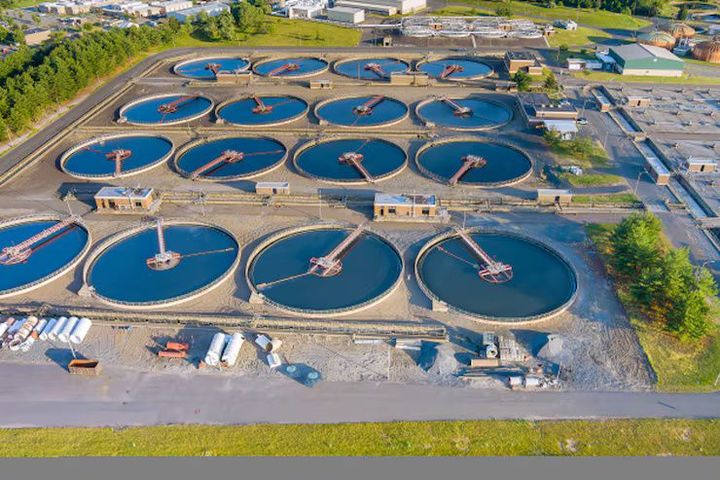
A sewage treatment plant (STP) is a facility designed to remove contaminants from wastewater before it is released into the environment. This wastewater originates from households, industries, and commercial establishments, containing organic and inorganic matter, chemicals, and pathogens.
The main goal of sewage treatment is to protect public health and the environment by preventing pollution of rivers, lakes, and groundwater. The process involves several stages—primary, secondary, and tertiary treatment—each aimed at progressively purifying the water.
Sewage treatment is not just about waste disposal; it is a vital part of sustainable urban management, helping cities recycle water, recover resources, and reduce the ecological footprint of human activity.
Importance
The importance of sewage treatment has grown rapidly in response to rising population density, industrial activity, and water scarcity. Clean water is essential for agriculture, industry, and human survival, and effective wastewater treatment ensures that used water can be safely returned to the ecosystem or reused.
Why Sewage Treatment Matters Today
-
Environmental Protection: Prevents harmful contaminants from entering natural water bodies.
-
Public Health: Reduces the spread of waterborne diseases caused by untreated wastewater.
-
Resource Recovery: Allows extraction of energy, nutrients, and reusable water.
-
Regulatory Compliance: Helps cities meet environmental standards and avoid penalties.
-
Climate Impact Reduction: Proper treatment reduces methane and greenhouse gas emissions.
Problems It Solves
| Challenge | Solution through Sewage Treatment |
|---|---|
| Water pollution | Removes harmful chemicals and microbes before discharge |
| Water scarcity | Enables reuse of treated water for irrigation and industrial purposes |
| Urban sanitation issues | Ensures hygienic waste management in densely populated areas |
| Soil degradation | Prevents toxic buildup from untreated waste |
| Health risks | Reduces risk of cholera, typhoid, and other infections |
In short, sewage treatment plants are crucial for maintaining ecological balance and improving quality of life, especially in rapidly urbanizing regions.
Recent Updates
In the past few years, there has been significant progress in wastewater management technologies, with countries adopting modern, automated, and energy-efficient treatment systems.
Key Developments (2024–2025)
-
Decentralized Sewage Systems (2025):
Smaller treatment units are being installed in residential complexes, industrial parks, and rural areas to reduce the load on central plants. -
Energy-Positive STPs (2024):
Advanced plants now generate more energy from biogas than they consume, promoting self-sufficiency. -
Digital Monitoring Systems:
Use of IoT sensors and AI-based controls helps track water quality, detect leaks, and optimize chemical dosing in real time. -
Recycling and Reuse Initiatives:
Many cities, including Singapore and Bangalore, are reusing treated water for gardening, construction, and industrial cooling. -
Sludge-to-Energy Technologies:
Treated sludge is now converted into biogas or compost, reducing landfill waste and supporting renewable energy goals. -
Public Awareness and Participation (2024):
Awareness programs are encouraging citizens and industries to connect their wastewater to authorized treatment facilities.
Statistical Insight
| Indicator | 2020 | 2025 (Projected) |
|---|---|---|
| Global wastewater treated (%) | 56% | 68% |
| Energy-efficient STPs installed | 2,400 | 3,800 |
| Urban reuse of treated water | 12% | 22% |
| Average reduction in pollutants | – | Up to 95% |
These trends indicate a clear shift toward sustainable water management, supported by innovation and stronger regulations.
Laws and Policies
Sewage treatment is governed by national and international environmental regulations that ensure public safety and ecological protection. Governments set quality standards for treated water and mandate industries and municipalities to comply with specific discharge limits.
Key Regulatory Frameworks
| Regulatory Body | Region | Focus Area | Description |
|---|---|---|---|
| Central Pollution Control Board (CPCB) | India | Water quality and effluent standards | Sets guidelines for design and operation of STPs |
| U.S. Environmental Protection Agency (EPA) | USA | Wastewater management | Enforces the Clean Water Act and effluent standards |
| European Environment Agency (EEA) | Europe | Urban wastewater treatment | Monitors compliance with EU directives on sewage |
| World Health Organization (WHO) | Global | Sanitation and health | Provides safe reuse and discharge guidelines |
| UN Environment Programme (UNEP) | International | Sustainable water use | Promotes circular water economy principles |
Policy Trends and Updates (2024–2025)
-
India: Under the Namami Gange and AMRUT 2.0 programs, new sewage plants are being built in major cities with real-time monitoring.
-
Europe: Updated Urban Wastewater Treatment Directive (2024) introduces stricter limits on nutrients and microplastics.
-
USA: Increased investment through the Infrastructure Investment and Jobs Act to modernize outdated wastewater systems.
-
Global: The UN continues to promote SDG 6 – Clean Water and Sanitation, encouraging countries to improve wastewater recycling rates.
These frameworks aim to ensure that sewage treatment aligns with sustainable development, energy conservation, and pollution prevention.
Tools and Resources
Modern sewage treatment relies heavily on advanced monitoring tools, modeling software, and management systems that improve efficiency and reliability.
Useful Tools and Platforms
| Category | Tool/Platform | Function |
|---|---|---|
| Design and Simulation | EPANET, BioWin, GPS-X | Model treatment processes and flow dynamics |
| Real-Time Monitoring | SCADA, IoT dashboards | Track pH, turbidity, and dissolved oxygen levels |
| Data Analysis | MATLAB, Python for Environment | Analyze performance and predict faults |
| Regulatory Databases | CPCB ENVIS Portal, EPA Water Data | Provide standards, guidelines, and compliance data |
| Education and Training | Coursera, EdX, UNEP Learn | Offer wastewater management courses for professionals |
Best Practices in Sewage Treatment
-
Regular Maintenance: Prevents system clogging and improves plant efficiency.
-
Automation and Control: Reduces human error and improves energy use.
-
Sludge Management: Converts waste into biogas or compost safely.
-
Community Awareness: Encourages proper disposal and wastewater segregation.
-
Continuous Monitoring: Ensures compliance with environmental norms.
These practices help maintain safe, efficient, and environmentally friendly operations.
Environmental Benefits
The environmental advantages of sewage treatment extend far beyond water purification. Properly treated sewage supports biodiversity, soil fertility, and sustainable water cycles.
Key Environmental Benefits
-
Water Reuse and Conservation:
Treated water can be reused for irrigation, cooling, and landscape maintenance, reducing freshwater extraction. -
Reduced Water Pollution:
Prevents toxic materials and pathogens from entering rivers, lakes, and coastal ecosystems. -
Energy and Resource Recovery:
Produces renewable biogas and recovers nutrients such as nitrogen and phosphorus for fertilizers. -
Ecosystem Protection:
Maintains aquatic life by reducing oxygen depletion and chemical contamination. -
Climate Mitigation:
Advanced plants use anaerobic digesters that cut methane emissions and produce clean energy.
Graph: Environmental Impact of Sewage Treatment
| Parameter | Before Treatment | After Treatment |
|---|---|---|
| Biological Oxygen Demand (BOD) | High | Reduced by 90–95% |
| Suspended Solids | High | Reduced by 85–90% |
| Pathogen Load | High | Reduced by 95%+ |
| Nutrient Levels | Uncontrolled | Optimized for reuse |
This shows how modern sewage treatment significantly improves water quality while enabling resource recovery.
FAQs
1. What are the main stages of sewage treatment?
Sewage treatment generally includes three stages: primary treatment (removal of solids), secondary treatment (biological decomposition of organic matter), and tertiary treatment (advanced filtration and disinfection).
2. How is treated sewage water reused?
It is reused for irrigation, cooling towers, toilet flushing, and landscaping, depending on local regulations and treatment quality.
3. Are sewage treatment plants energy-intensive?
Traditional plants consume significant energy, but modern systems now use renewable energy and biogas recovery to offset costs.
4. How can individuals support wastewater management?
By reducing water waste, avoiding dumping chemicals into drains, and ensuring household connections to municipal sewage systems.
5. What happens to the sludge from treatment plants?
Sludge is processed through drying, digestion, or composting, turning it into fertilizer or energy-rich biogas.
Conclusion
Sewage treatment plants play a vital role in protecting the planet’s water resources. They transform wastewater into a valuable resource, supporting water reuse, renewable energy generation, and environmental conservation.
As urbanization and climate challenges grow, investing in modern sewage infrastructure is not only essential for public health but also a step toward a sustainable and resilient future. With ongoing innovations, regulatory support, and community participation, sewage treatment continues to evolve as a cornerstone of environmental stewardship.